

Description
- Product Overview
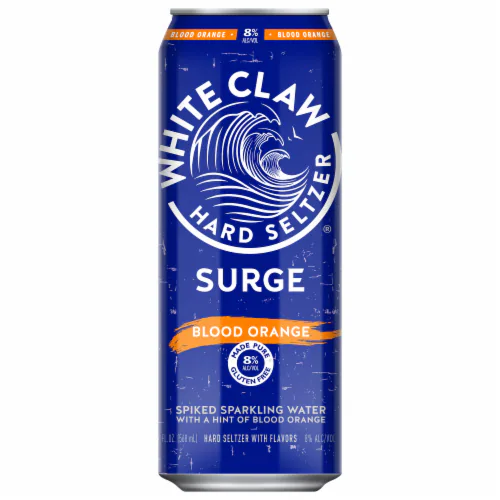
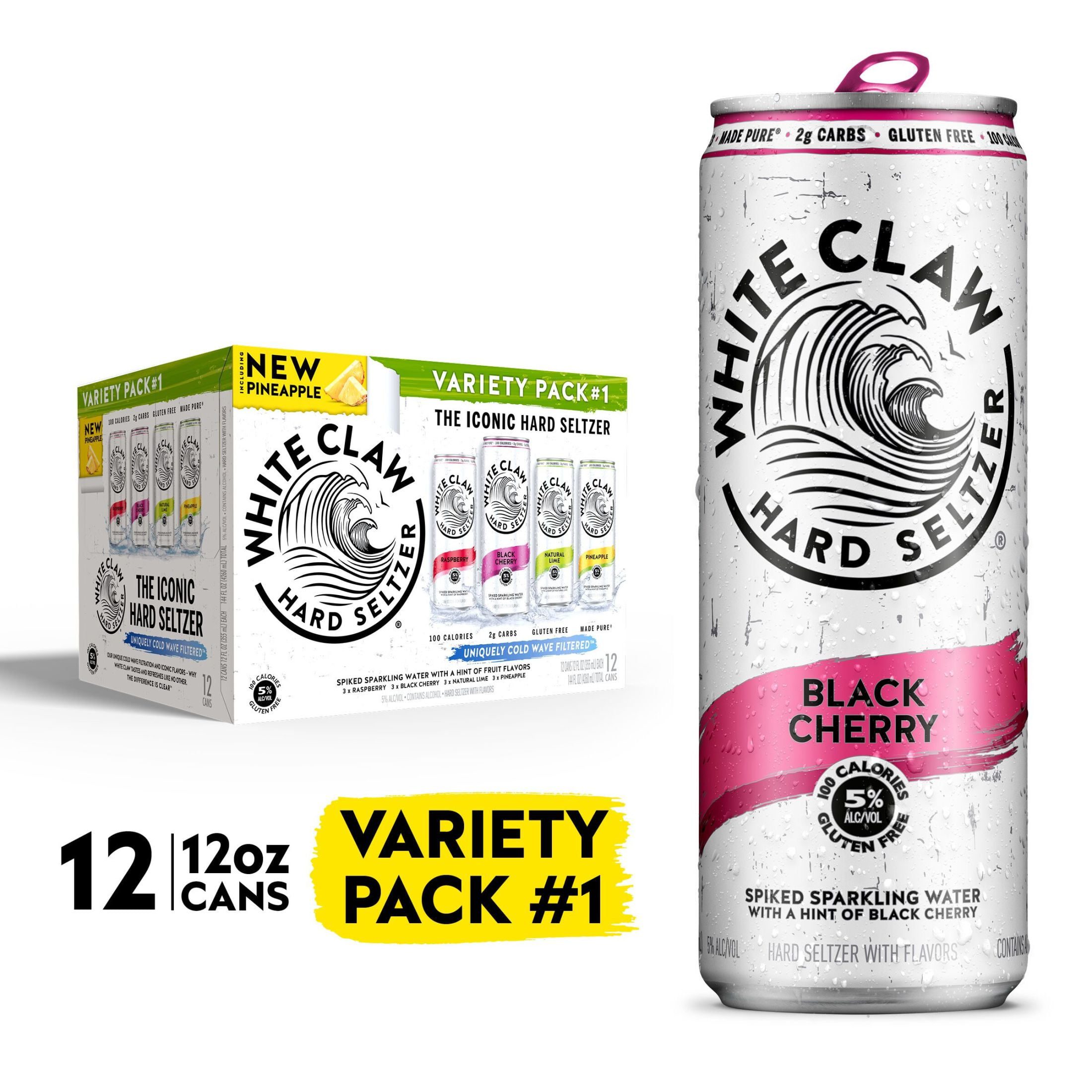
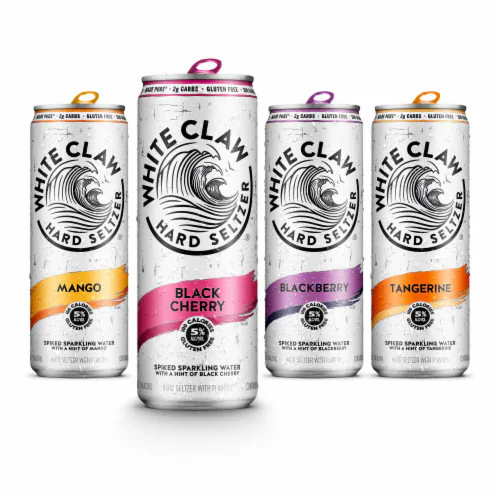
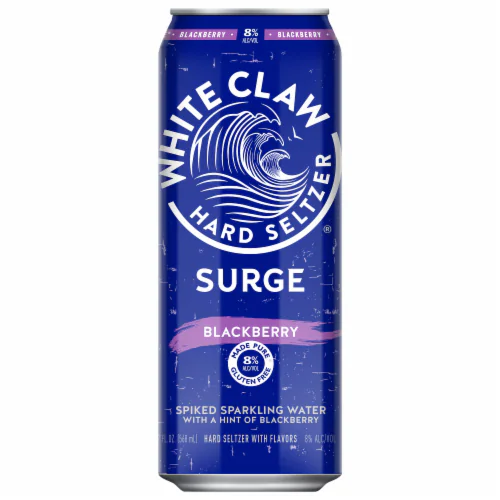
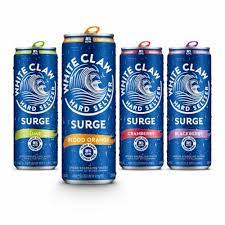
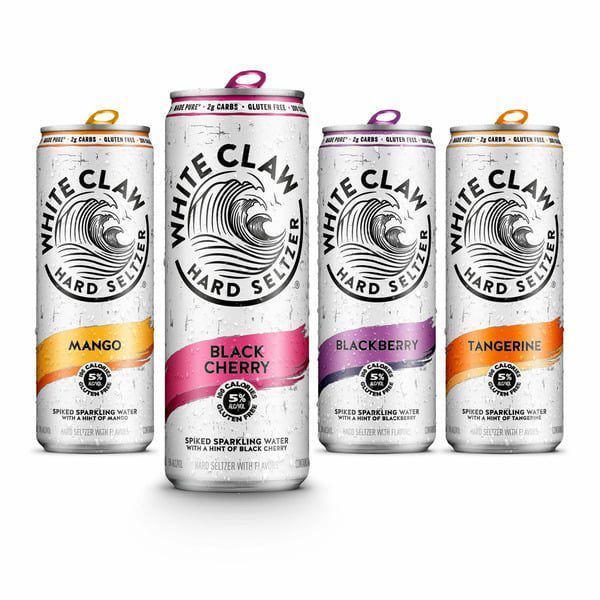
White Claw Hard Seltzer is a ready-to-drink alcoholic beverage formulated from carbonated water, fermented alcohol base, and natural flavoring agents. It is primarily positioned for the beverage and hospitality sectors as a light, flavored alcoholic refreshment with consistent sensory profile and controlled alcohol content. The key value proposition lies in its clean-label formulation, low-calorie profile, and scalable production consistency for high-volume distribution markets. From a strategic standpoint, it supports portfolio diversification in the fast-growing ready-to-drink (RTD) beverage segment. Note: Beta-glucosidase is not applicable to this product category and has no relevance to its formulation or market function. - Key Specifications & Technical Characteristics
- Chemical composition / material components: Carbonated purified water, fermented alcohol base (malt or sugar-derived ethanol), natural fruit flavorings, citric acid, sweeteners (varies by variant)
- Alcohol content: Typically ~4.5% ABV (variant-dependent)
- Purity / grade: Beverage-grade, food-safe, regulated RTD alcoholic formulation
- Physical characteristics: Clear liquid, lightly effervescent, flavored profiles (citrus, berry, tropical variants)
- Particle size: Not applicable (homogeneous liquid solution)
- Density: Approx. 0.98–1.01 g/mL (temperature-dependent)
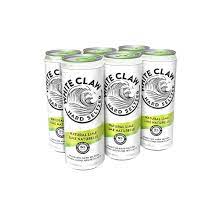
- Packaging options: 330 mL cans, 355 mL cans, multi-pack retail cartons, bulk beverage cases for distribution
- Shelf life: 9–12 months under recommended storage conditions (cool, dry environment)
- Core Industrial Applications
- Beverage distribution industry: Wholesale supply for retail, hospitality, and event consumption channels
- Hospitality sector: Bars, restaurants, hotels, and catering operations seeking RTD alcoholic beverage options
- Event management: Large-scale social, entertainment, and festival beverage provisioning
- Use case: High-turnover chilled beverage offering requiring minimal preparation and consistent taste delivery
- Competitive performance: Offers operational efficiency through reduced mixing labor, standardized serving format, and predictable consumer demand compared to traditional mixed drinks
- Competitive Advantages
- Quality consistency: Standardized formulation ensuring uniform taste and alcohol content across production batches
- Supply reliability: Large-scale industrial bottling and distribution systems supporting continuous availability
- Logistics capability: Efficient canned packaging optimized for transport density and reduced breakage risk
- Price competitiveness: Economies of scale in RTD production enable competitive unit economics in bulk distribution
- Sustainability: Lightweight aluminum cans support high recyclability and reduced transport carbon footprint
- Documentation support: Standard compliance labeling, ingredient transparency, and regulatory beverage certifications available
- Commercial & Supply Information
- Minimum Order Quantity (MOQ): BULK 20 MT
- Loading capacity: Approximately 18–22 MT per 20-foot container (depending on packaging configuration and regional pallet standards)


Reviews
There are no reviews yet.