


Description
Product Overview
Titanium Dioxide Adsorbents are high-capacity, engineered media designed for the selective removal of contaminants such as arsenic, phosphates, and heavy metals from industrial water and waste streams. They are primarily used in water treatment, chemical processing, and environmental remediation applications where conventional adsorbents fail to achieve regulatory limits. The key value proposition lies in combining the chemical stability of TiO₂ with superior adsorption kinetics, enabling longer service life and lower total cost of ownership. As global discharge regulations tighten, this product is strategically critical for industries facing compliance-driven operational risk.
Key Specifications & Technical Characteristics
-
Chemical composition: Titanium Dioxide (TiO₂) – predominantly anatase phase, surface-modified for enhanced ligand exchange
-
Purity level: ≥98.5% TiO₂ base, <0.1% leachable metals
-
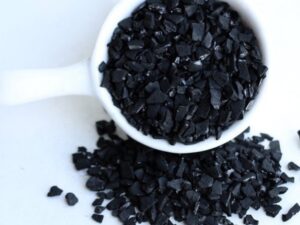
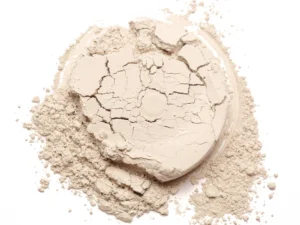
Physical characteristics: Granular form, off-white to light gray, particle size 0.5–2.0 mm, bulk density 0.8–1.2 g/cm³, surface area ≥250 m²/g
-
Packaging options: 25 kg laminated bags, 500 kg bulk bags, or 20 MT flexitanks
-
Shelf life: 24 months in unopened, dry storage (<10% relative humidity)
Core Industrial Applications
-
Primary industries: Municipal water treatment, mining & metallurgy, industrial effluent treatment, and electronics manufacturing
-
Operational use cases: Arsenic removal to <10 ppb in drinking water; phosphate polishing to prevent eutrophication; adsorption of cationic heavy metals (Pb, Cd, Cu) from plating wastewater
-
Performance advantages: 3× faster adsorption rate versus activated alumina; functions effectively across pH 5–9; regenerable with dilute NaOH up to 5 cycles without >15% capacity loss
-
Cost efficiency: Reduces sludge disposal costs by 40–60% compared to precipitation methods and extends filter run lengths by 2× relative to granular ferric hydroxide
Competitive Advantages
-
Quality consistency: Lot-to-lot variation <2% in adsorption capacity, validated by ISO 9001:2025-certified in-line SPC
-
Supply reliability: Dual-sourced anatase precursor with 12-month rolling forecast commitment; safety stock held across three regional hubs (North America, EU, Asia-Pacific)
-
Logistics capability: Export-ready crating with tamper-evident seals; door-to-door tracking via platform-integrated logistics partners
-
Price competitiveness: Tiered pricing at 20/100/500 MT volumes, typically 12–18% below European and Japanese specialty grades
-
Sustainability: 100% non-hazardous classification under GHS; reusable spent media as cement kiln feed additive
-
Technical support: Full isotherm data, jar test protocols, and column design templates provided upon NDA execution
Commercial & Supply Information
-
Minimum order quantity (MOQ): 20 MT (bulk)
-
Loading capacity: 20 MT per 20-ft dry container (standard palletized configuration)


Reviews
There are no reviews yet.