



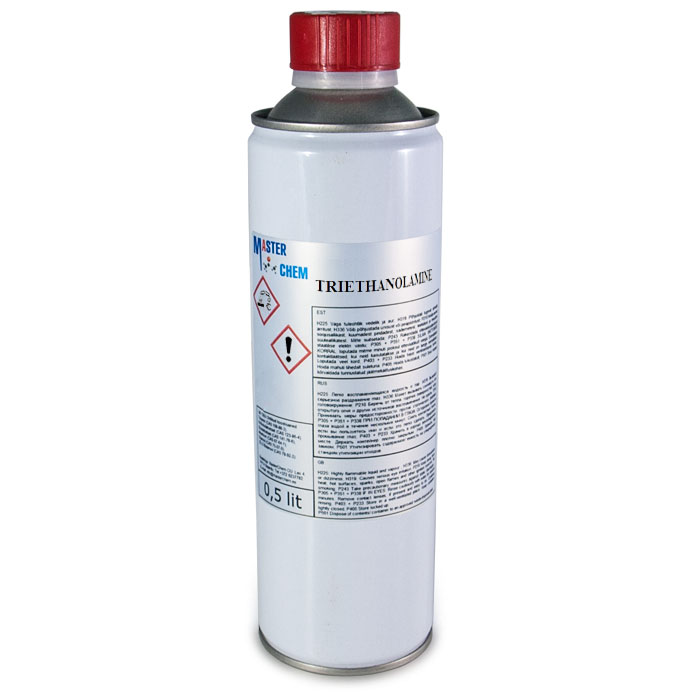
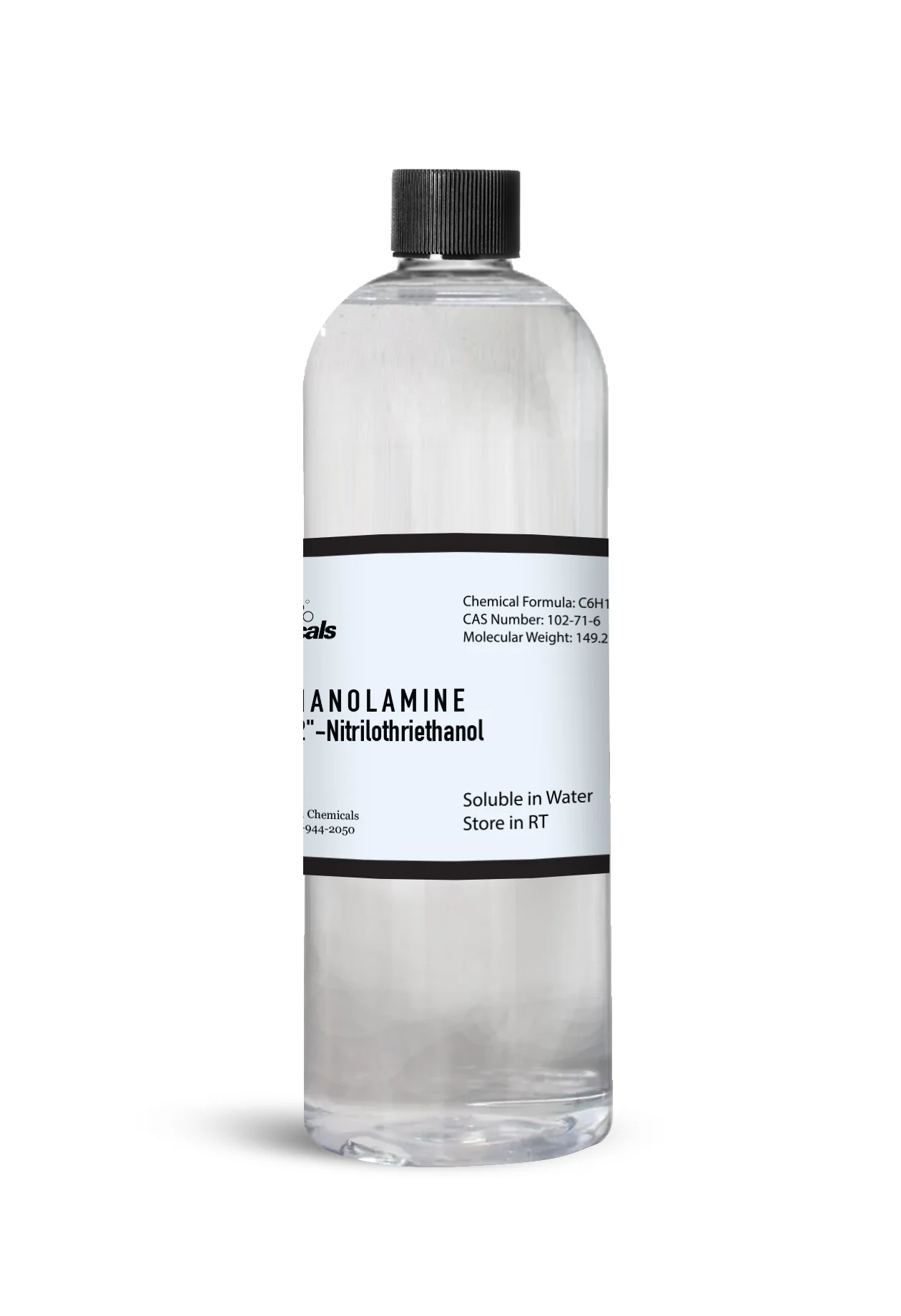
Description
1. Product Overview
Triethanolamine (TEA) is a versatile organic compound widely used as a neutralizing agent, emulsifier, and surfactant in chemical manufacturing. Its primary industrial use includes pH regulation in formulations, synthesis of detergents, corrosion inhibitors, and personal care products. The key value proposition of Triethanolamine lies in its multifunctionality, compatibility with diverse chemical systems, and efficiency in neutralization and emulsification processes. Strategically, it is crucial in both chemical production and downstream industrial applications, enabling manufacturers to maintain product quality while optimizing formulation performance. Its reliability and adaptability make it an essential component in global industrial supply chains.
2. Key Specifications & Technical Characteristics
- Chemical Composition: C₆H₁₅NO₃ (Triethanolamine)
- Purity Level / Grade: Industrial grade, ≥99% purity
- Physical Characteristics:
- Form: Liquid
- Color: Colorless to pale yellow
- Density: ~1.125 g/cm³ at 25°C
- Viscosity: Moderate, syrupy liquid
- Hygroscopic in nature
- Packaging Options:
- ISO tank containers
- 200L steel drums
- IBC containers (1,000L)
- Shelf Life:
- 12–24 months under recommended storage
- Store in sealed containers, away from heat and direct sunlight
3. Core Industrial Applications
Primary Industries:
- Chemical manufacturing
- Personal care and cosmetics
- Detergents and cleaning agents
- Coatings and paints
- Oil and gas (corrosion inhibitors)
Operational Use Cases:
- Neutralization of acidic solutions and pH regulation in formulations
- Surfactant and emulsifier in creams, lotions, and detergents
- Production of corrosion inhibitors and metalworking fluids
- Intermediate in chemical synthesis such as TEA salts and quaternary ammonium compounds
Performance & Cost Advantages:
Triethanolamine offers superior solubility, stability, and neutralizing efficiency compared to alternative amines. Its multifunctional nature reduces the need for multiple additives, lowering production costs while maintaining consistent product quality.
4. Competitive Advantages
- Quality Consistency: Industrial-grade TEA with batch-level COA
- Supply Reliability: Continuous production and global distribution channels
- Logistics Capability: Bulk and containerized shipment expertise for hazardous and non-hazardous transport
- Price Competitiveness: Competitive pricing relative to other tertiary amines
- Sustainability Benefits: Supports environmentally compliant formulations with reduced chemical load
- Technical Support: Comprehensive documentation including SDS, COA, and regulatory compliance certificates
Triethanolamine is positioned as a strategic sourcing choice for industrial buyers seeking a reliable, multifunctional chemical that ensures operational efficiency and formulation stability.
5. Commercial & Supply Information
- Minimum Order Quantity (MOQ): BULK 20MT
- Loading Capacity (MT per container): Approximately 20–24 MT per 20’ ISO tank container, dependent on density and transport regulations

Reviews
There are no reviews yet.