

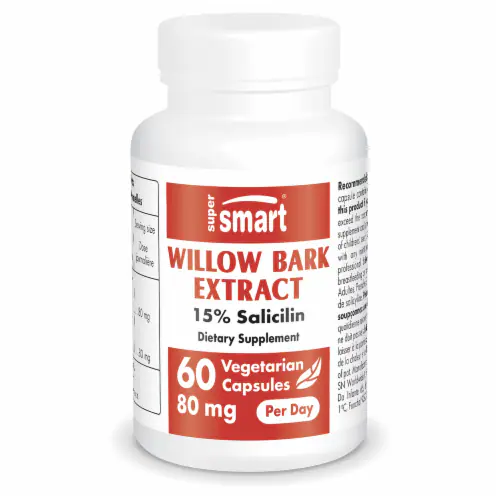
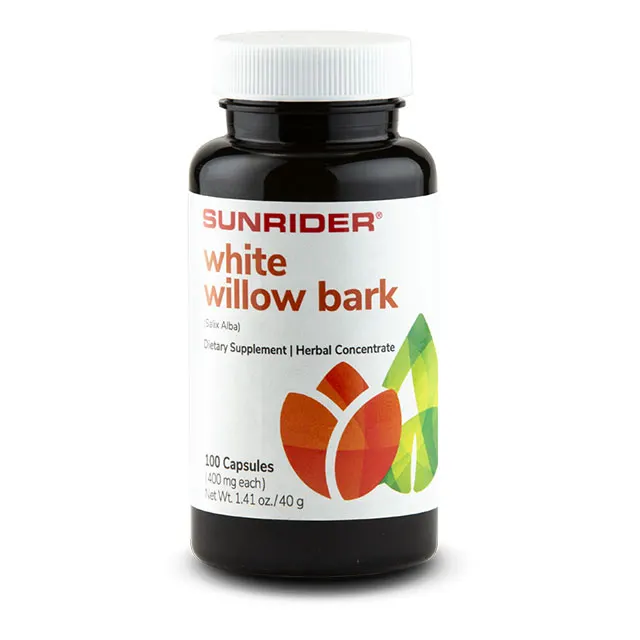
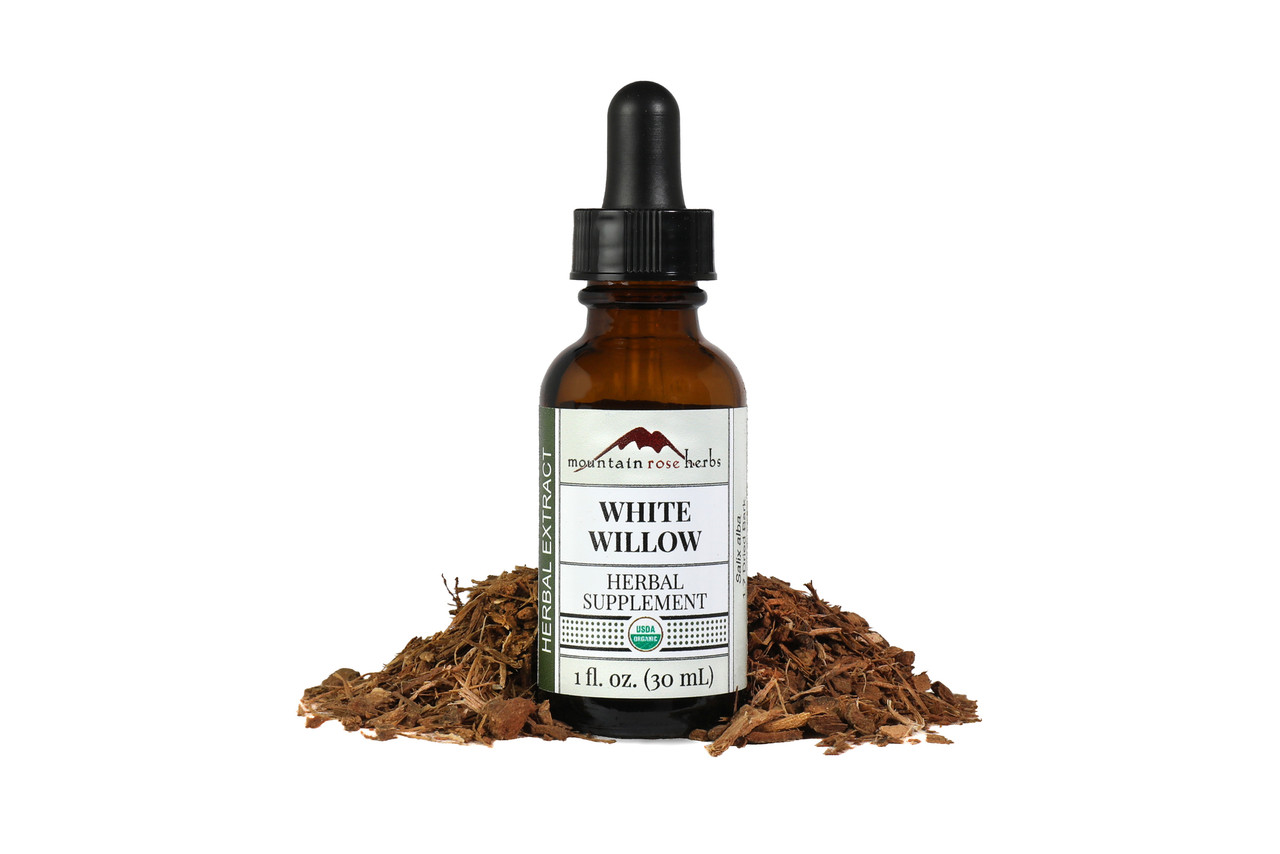
Description
1. Product Overview
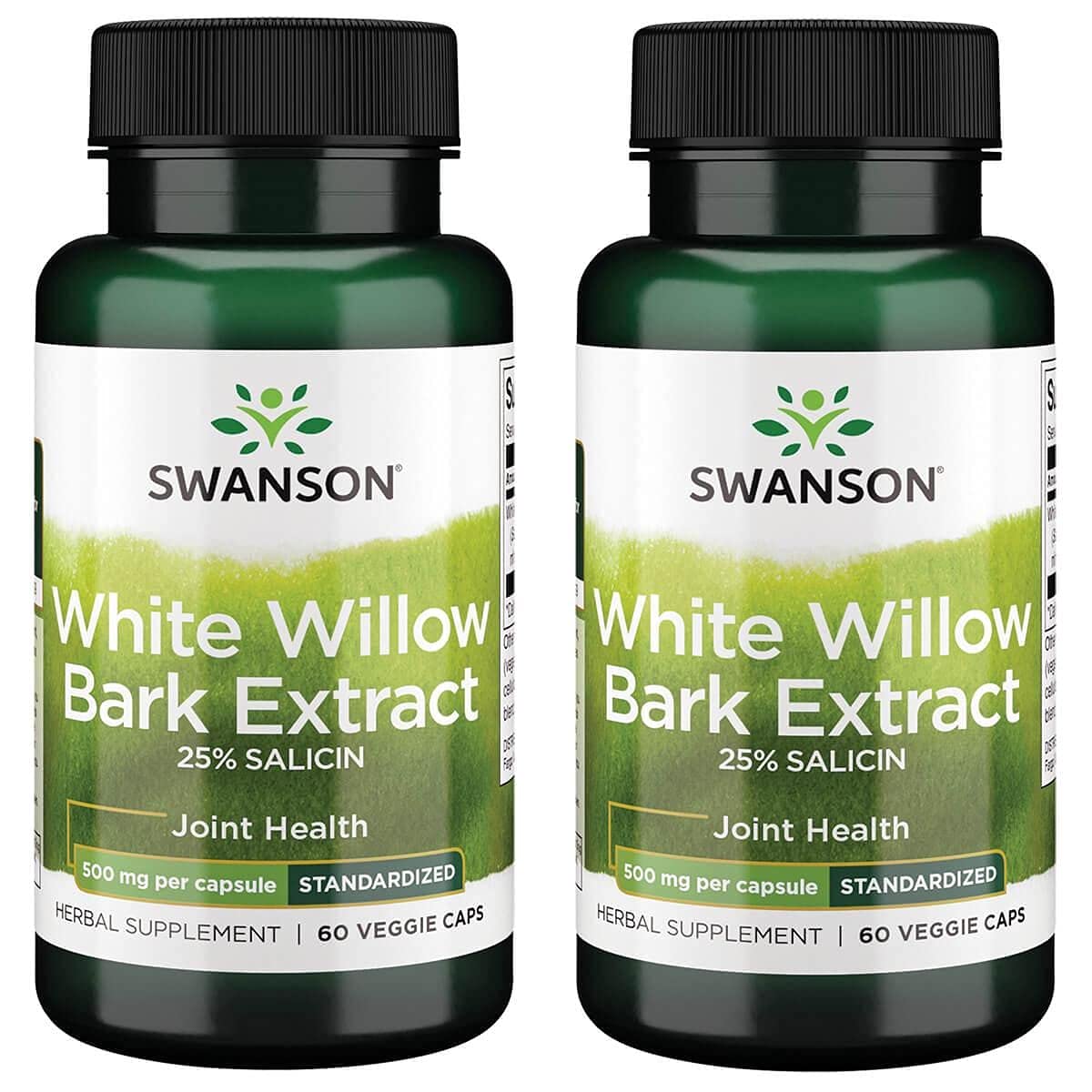
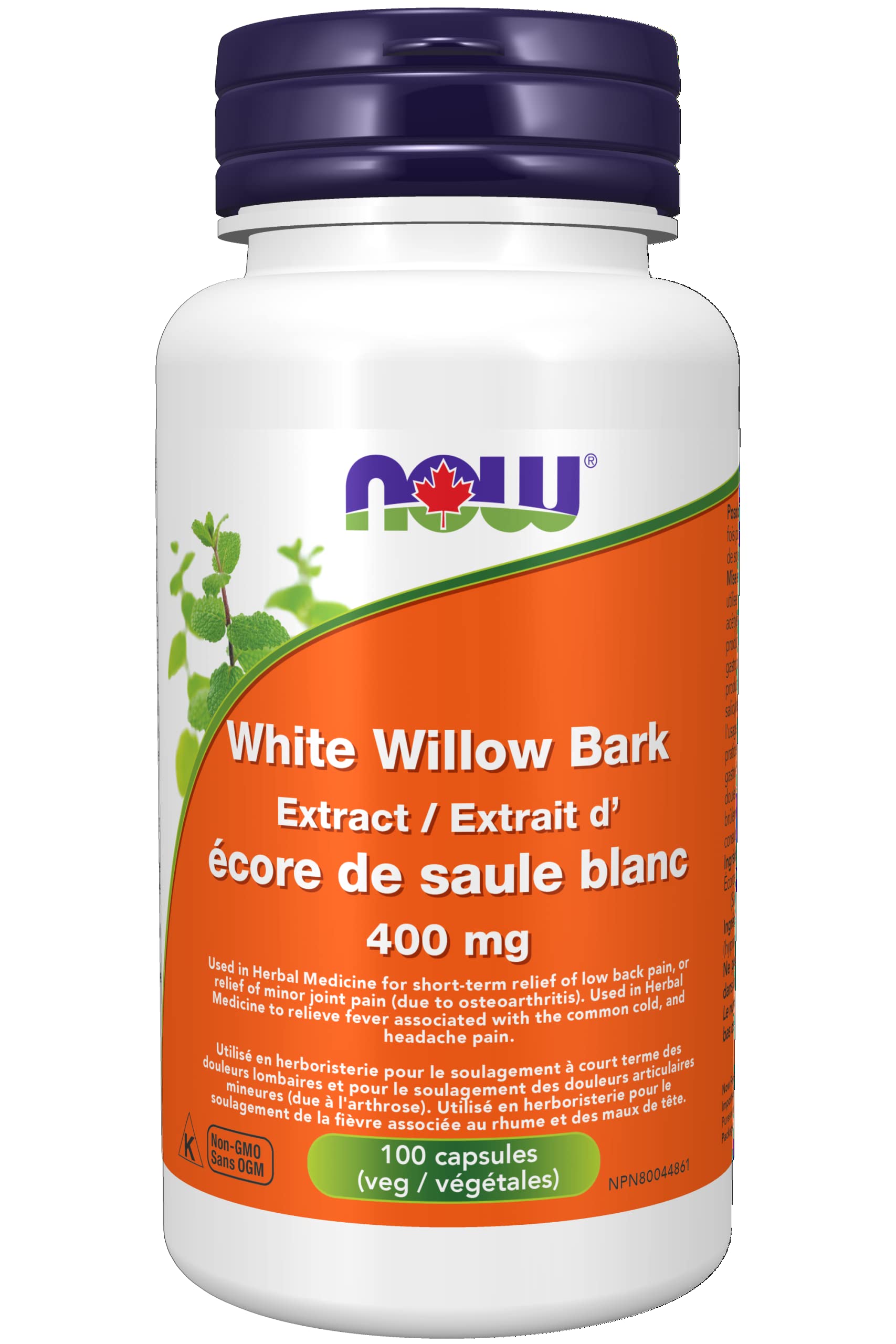
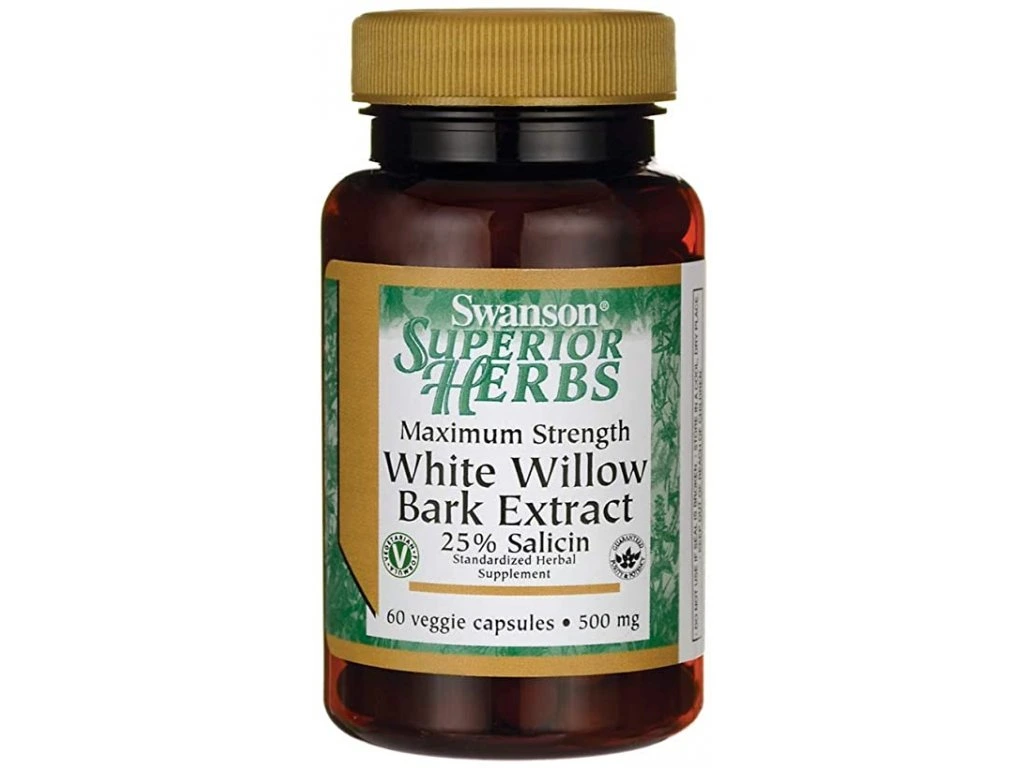
Willow Bark Extract is a natural botanical extract derived from the bark of willow trees (Salix species), standardized for its bioactive compounds, primarily salicin. It is widely used in pharmaceutical, nutraceutical, and cosmetic industries for its anti-inflammatory, analgesic, and antioxidant properties. The key value proposition lies in delivering a high-quality, standardized extract that ensures consistent efficacy in formulations while supporting clean-label and plant-based product initiatives. Strategically, Willow Bark Extract enables industrial manufacturers to meet rising consumer demand for natural active ingredients, reduce reliance on synthetic alternatives, and enhance product differentiation in competitive markets. Its reliability and standardized composition make it a cornerstone ingredient for B2B formulation pipelines.
2. Key Specifications & Technical Characteristics
- Chemical Composition / Material Components:
- Salicin (standardized content)
- Polyphenols and flavonoids
- Trace tannins and organic acids
- Purity Level / Grade:
- Standardized extract with defined salicin content (batch-specific assay available)
- Free from synthetic additives, solvents, or preservatives
- Physical Characteristics:
- Form: Fine powder or granulated extract
- Color: Light brown to brown
- Odor: Characteristic botanical
- Particle size: Typically 60–80 mesh
- Density: Approx. 0.45–0.65 g/cm³
- Packaging Options:
- Bulk sacks (25–50 kg)
- Drum packaging with moisture-proof lining
- Flexible intermediate bulk containers (IBC) for large-scale supply
- Shelf Life:
- 24 months under recommended storage conditions
- Store in cool, dry, and dark environments to preserve active constituents
3. Core Industrial Applications
Primary Industries:
- Pharmaceutical manufacturers
- Nutraceutical and dietary supplement producers
- Cosmetic and personal care formulation companies
- Functional food and beverage manufacturers
Operational Use Cases:
- Anti-inflammatory and analgesic formulations
- Skincare products targeting sensitive or inflamed skin
- Dietary supplements promoting joint health or antioxidant support
- Functional beverages and nutraceutical blends
Performance & Cost Advantages:
Willow Bark Extract delivers consistent bioactive content, enhancing formulation reliability and product efficacy. Compared to raw bark or non-standardized extracts, it reduces variability, improves extract yield efficiency, and minimizes formulation adjustments, enabling cost-effective production at scale.
4. Competitive Advantages
- Quality Consistency: Standardized salicin content verified per batch with Certificate of Analysis (COA)
- Supply Reliability: Sourced from sustainably managed willow plantations with secure supply chains
- Logistics Capability: Bulk handling expertise, compliant with international transport and storage standards
- Price Competitiveness: Optimized supply reduces per-unit costs for large-scale industrial buyers
- Sustainability Benefits: Ethically sourced and environmentally responsible extraction process
- Technical Documentation: Comprehensive COA, SDS, and regulatory compliance support available
Positioned as a strategic ingredient, Willow Bark Extract enables B2B buyers to enhance product quality, leverage natural ingredient trends, and secure a reliable, scalable supply for industrial formulations.
5. Commercial & Supply Information
- Minimum Order Quantity (MOQ): BULK 20MT
- Loading Capacity (MT per container): Approximately 20–22 MT per 20’ ISO container, depending on bulk density and packaging configuration

Reviews
There are no reviews yet.