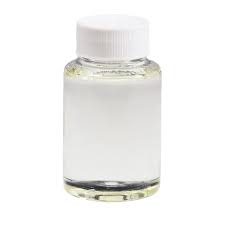
Diethylene Glycol (DEG)

£680.00

The Benefits of Diethylene Glycol (DEG): A Comprehensive Guide

Diethylene Glycol (DEG) is a common ingredient found in many products, ranging from pharmaceuticals to personal care items. While it may be known for its controversial history due to the unfortunate incidents of contamination in the past, DEG, when used properly and in its pure form, can offer a variety of benefits. In this article, we will explore the benefits of DEG, its prescription information, nutritional value, and the ingredients commonly found in products containing DEG.

What are the Benefits of Diethylene Glycol (DEG)?

  1. Solvent Properties: DEG is known for its excellent solvent properties, making it a popular choice in industries such as pharmaceuticals and cosmetics. It can dissolve a wide range of substances, making it versatile for various applications.
  2. Humectant: DEG is also a humectant, meaning it helps to retain moisture. This makes it a valuable ingredient in skincare products, helping to keep the skin hydrated and supple.
  3. Antifreeze: One of the most well-known uses of DEG is as an antifreeze agent. It helps to lower the freezing point of liquids, preventing them from solidifying in cold temperatures.
  4. Cooling Agent: DEG is used in cooling applications, such as in air conditioning systems and heat exchangers. Its ability to absorb heat makes it an efficient cooling agent.

Prescription Information for Diethylene Glycol (DEG)

  • Dosage: The dosage of DEG will vary depending on the specific product and its intended use. It is important to follow the instructions provided by a healthcare professional or the product label.
  • Administration: DEG is typically administered topically in skincare products or orally in medications. It is important to use the product as directed to avoid any potential risks.
  • Consultation: Before using any product containing DEG, it is advisable to consult with a healthcare professional, especially if you have any underlying health conditions or concerns.

Nutritional Information of Diethylene Glycol (DEG)

While DEG is not intended for consumption and does not provide any nutritional benefits when ingested, it is important to note that products containing DEG should be used as directed and for their intended purposes only. If you have any concerns about the safety or usage of a product containing DEG, it is recommended to seek advice from a healthcare professional.

Common Ingredients Found in Products Containing DEG

  • Water: DEG is often mixed with water in various concentrations to create solutions for different applications.
  • Preservatives: In skincare products, DEG may be combined with preservatives to ensure the product remains stable and free from contamination.
  • Emollients: DEG is sometimes used in combination with emollients to provide moisturizing properties in skincare products.
  • Fragrance: In cosmetics and personal care items, DEG may be used as a solvent for fragrances, helping to disperse the scent evenly.
    In conclusion, while DEG has had a tainted history due to contamination incidents, when used properly and in its pure form, it can offer a range of benefits. From its solvent properties to its humectant qualities, DEG plays a valuable role in various industries. However, it is crucial to use products containing DEG as directed and consult with a professional if you have any concerns. Remember, safety always comes first when using any product, especially those containing specialized ingredients like DEG.

Description

1. Product Overview

Diethylene Glycol (DEG) is a high-purity, colorless, and hygroscopic organic compound widely used as an industrial solvent, humectant, and intermediate in chemical synthesis. Its primary industrial applications include the production of polyester resins, plasticizers, antifreeze formulations, and brake fluids. DEG offers exceptional thermal stability, low volatility, and compatibility with a wide range of chemical systems, making it a reliable choice for large-scale industrial processes. Strategically, DEG is a critical raw material in global chemical supply chains, enabling manufacturers to maintain consistent product quality and operational efficiency. Its versatility and market availability position it as a cornerstone chemical for multiple downstream industries.


2. Key Specifications & Technical Characteristics

  • Chemical Name: Diethylene Glycol (DEG)
  • Chemical Formula: C₄H₁₀O₃
  • Purity Level: ≥ 99.5% industrial grade
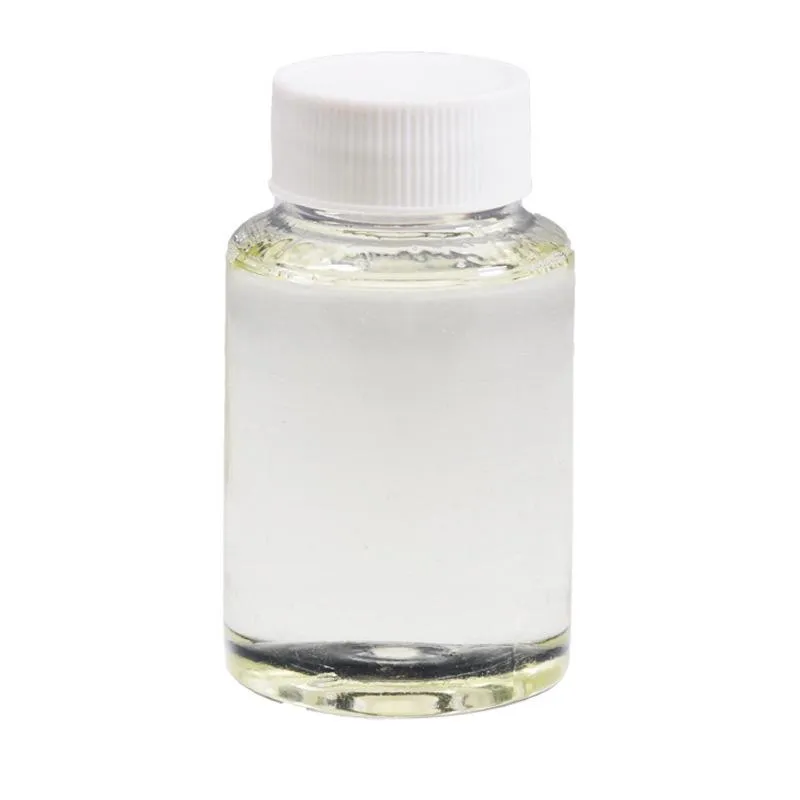
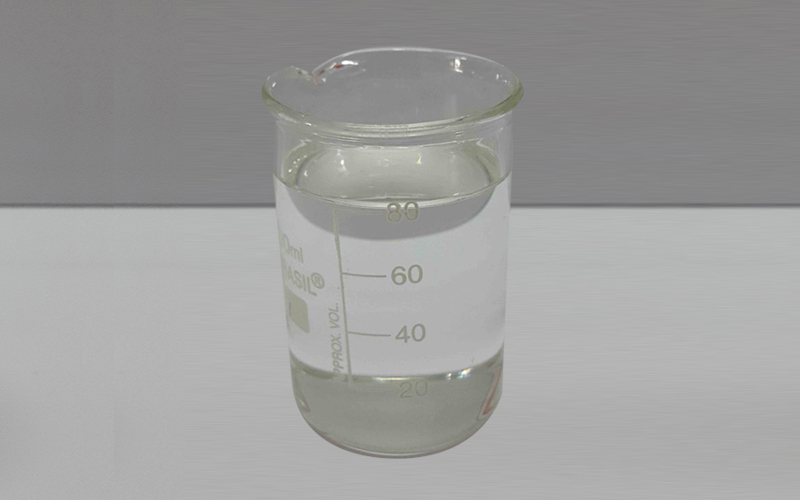
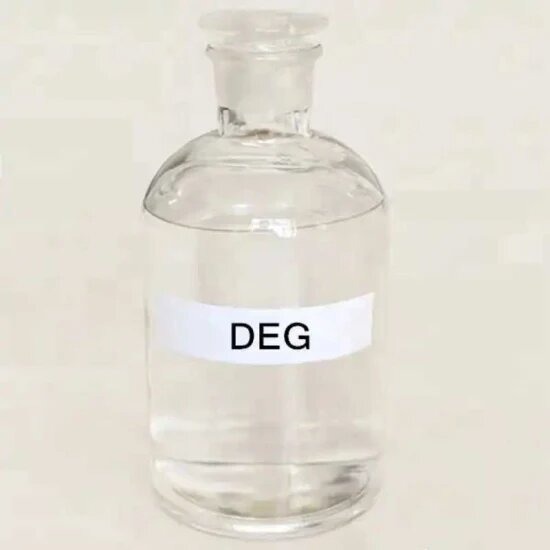
  • Appearance: Colorless, clear, viscous liquid
  • Odor: Mild, characteristic
  • Density: 1.118 g/cm³ at 20°C
  • Boiling Point: 245°C
  • Viscosity: 34 mPa·s at 20°C
  • Water Solubility: Completely miscible
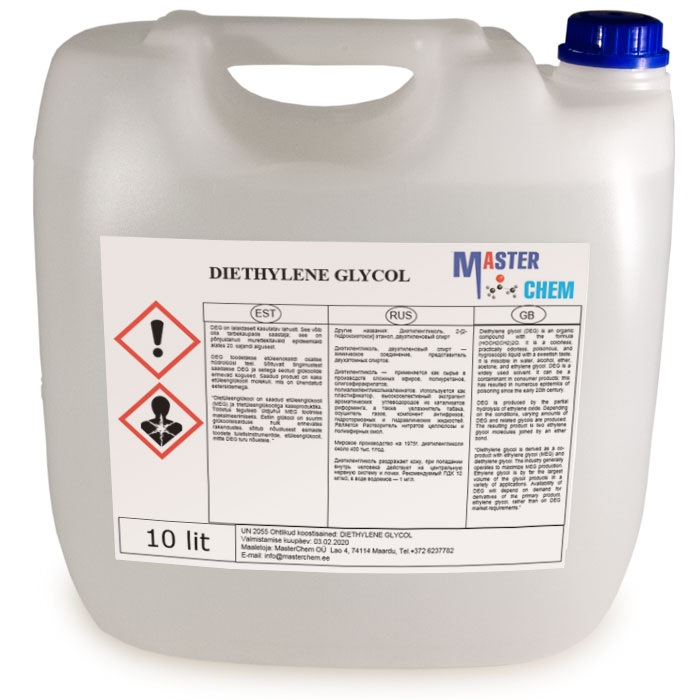
  • Packaging Options: ISO tanks, 200 kg drums, 1000 kg IBC containers
  • Shelf Life: 24 months under proper storage conditions

3. Core Industrial Applications

  • Polyester & Resin Manufacturing: Essential as a monomer or intermediate for producing high-strength polyester resins and polyurethanes.
  • Plasticizers & Lubricants: Improves flexibility and durability of PVC products, enhancing material performance.
  • Antifreeze & Brake Fluids: Provides excellent low-temperature performance and freeze-point depression.
  • Solvent Applications: Acts as a high-boiling, low-volatility solvent in coatings, dyes, and chemical processing.
  • Advantages Over Alternatives: DEG offers superior thermal stability, hygroscopic control, and cost-efficiency compared to monoethylene glycol or other polyols, reducing operational downtime and chemical waste.

4. Competitive Advantages

  • Quality Consistency: Stringent industrial-grade specifications ensure uniform chemical performance batch-to-batch.
  • Supply Reliability: Globally sourced with established logistics channels for uninterrupted production.
  • Logistics Capability: Flexible packaging and containerization to suit bulk or industrial-scale operations.
  • Price Competitiveness: Optimized sourcing strategies reduce landed costs while maintaining high-grade purity.
  • Sustainability: Compliant with environmental handling standards and recyclable packaging options.
  • Technical Support: Comprehensive documentation, safety data sheets, and process guidance provided for industrial buyers.

5. Commercial & Supply Information

  • Minimum Order Quantity (MOQ): 20 MT
  • Loading Capacity per Container:
    • 20 ft Container: ~18–20 MT
    • 40 ft Container: ~38–40 MT

DEG is positioned as a strategic, high-value raw material for industrial operations, offering operational efficiency, reliability, and global supply chain security.


If you want, I can also create a highly punchy, SEO-optimized version of this for global industrial marketplaces that highlights buyer ROI and conversion potential. Do you want me to do that?
Additional information

Price

per metric ton (MT)

Reviews

There are no reviews yet.

Be the first to review “Diethylene Glycol (DEG)”

Your email address will not be published. Required fields are marked *

Add to cart