
Description
1. Product Overview
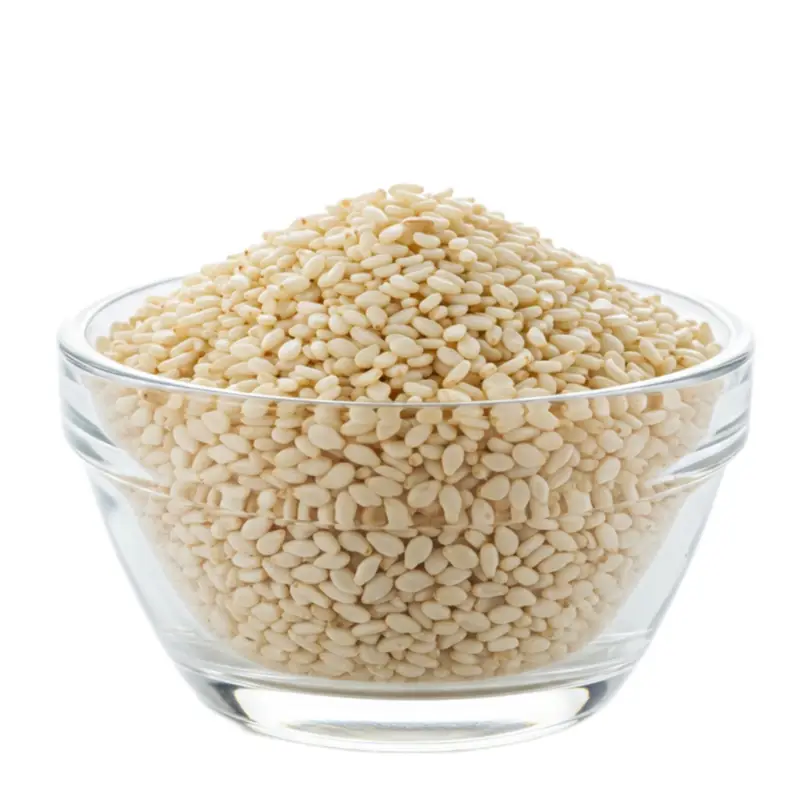
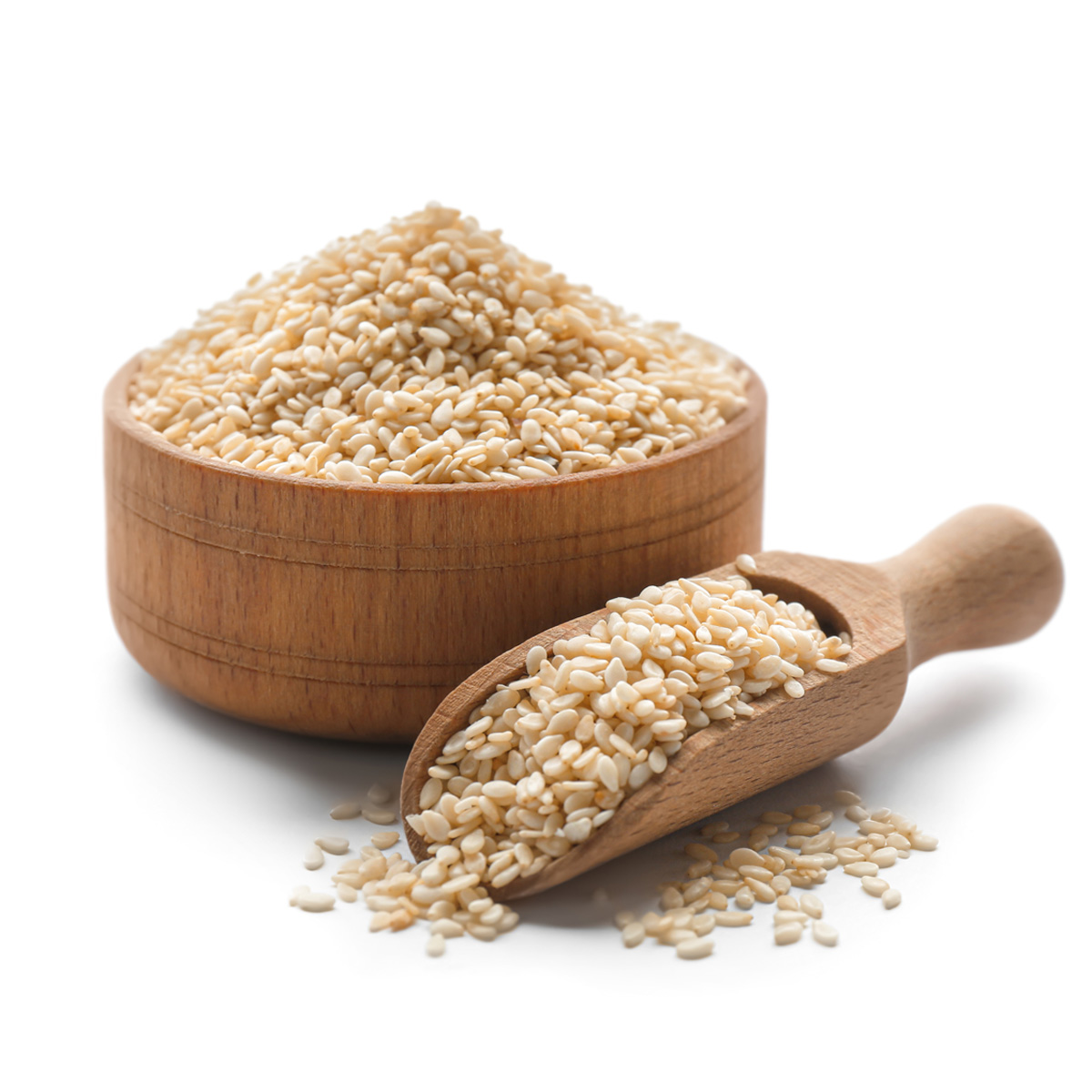
Sesame Seed Hulled is a mechanically processed sesame seed with the outer hull removed to deliver a cleaner, lighter-colored ingredient with a smooth texture and mild, characteristic sesame flavor. It is widely used by food processors, bakery manufacturers, confectionery producers, tahini processors, snack manufacturers, and ingredient formulators where improved digestibility, appearance, and processing consistency are important. Hulled sesame provides a commercially attractive combination of vegetable protein, sesame oil, dietary value, and functional texture, making it a strategic ingredient for high-volume food production. Consistent grading, controlled cleaning, and reliable bulk supply support efficient procurement for international buyers.
2. Key Specifications & Technical Characteristics
- Product: Hulled Sesame Seed
- Botanical Source: Sesamum indicum
- Material Components: Dehulled whole sesame seeds containing naturally occurring sesame oil, protein, carbohydrates, dietary fiber, minerals, and other seed constituents
- Purity: Typically 99% minimum, subject to agreed commercial specification
- Grade: Food-grade, cleaned and hulled; industrial specifications available according to buyer requirements
- Form: Whole hulled sesame seeds
- Color: White to creamy white, with uniform appearance subject to origin and processing grade
- Texture: Clean, dry, firm seeds with free-flowing characteristics
- Typical Oil Content: Approximately 48–55%
- Typical Protein Content: Approximately 18–25%
- Moisture: Commonly controlled to approximately 6% maximum, subject to specification
- Foreign Matter: Typically controlled to tight food-grade limits through cleaning and sorting
- Particle Size: Whole seed; standardized sorting available according to buyer requirements
- Packaging Options: 25 kg or 50 kg food-grade bags; 500 kg–1,000 kg bulk bags; customized export packaging available
- Shelf Life: Typically 12 months under dry, cool, hygienic storage conditions
- Storage: Store in a clean, dry, well-ventilated warehouse away from moisture, heat, odors, and direct sunlight
3. Core Industrial Applications
- Bakery and Baked Goods: Used as a topping and ingredient in bread, burger buns, crackers, biscuits, pastries, and specialty bakery products, providing attractive appearance, flavor, and nutritional value.
- Tahini and Sesame Paste: Hulled sesame is a preferred raw material for tahini production because removal of the hull supports a smoother, lighter-colored final paste and facilitates consistent industrial processing.
- Confectionery: Applied in sesame bars, pralines, sweets, halva, snack coatings, and other formulations requiring characteristic sesame flavor and texture.
- Snack Foods: Used in roasted sesame snacks, seed blends, cereal products, nutrition bars, and coated products where clean whole seeds provide visual and textural appeal.
- Food Ingredient Manufacturing: Incorporated into sauces, dressings, seasoning systems, ready-to-eat foods, and formulated food products as a source of plant-based protein and sesame oil.
- Oil and Ingredient Processing: Suitable for further processing where controlled-quality sesame seed is required for oil recovery or value-added sesame ingredients.
Hulled sesame can provide processing and formulation advantages over unhulled seed where a smoother texture, lighter appearance, and reduced hull content are required, helping manufacturers achieve more consistent finished-product quality and production efficiency.
4. Competitive Advantages
- Quality Consistency: Controlled cleaning, hulling, sorting, and grading help deliver uniform seed appearance, moisture, purity, and processing performance across commercial lots.
- Supply Reliability: Structured bulk sourcing supports repeat procurement programs, contract volumes, and scheduled deliveries for industrial food manufacturers.
- Logistics Capability: Available in export-ready bags and bulk formats suitable for containerized international shipments, with packaging configurations adaptable to buyer and destination requirements.
- Price Competitiveness: Bulk procurement and standardized grading can improve purchasing efficiency and reduce handling and processing variability for high-volume users.
- Sustainability Benefits: Sesame is a plant-based agricultural ingredient that supports formulation of plant-forward foods and can be integrated into efficient bulk supply chains.
- Technical Documentation: Commercial documentation can include product specifications, certificate of analysis, packing details, origin information, and applicable food-safety documentation according to buyer requirements.
- Strategic Sourcing Value: Combines broad industrial usability, scalable bulk availability, consistent processing characteristics, and flexible packaging to support dependable long-term ingredient procurement.
5. Commercial & Supply Information
- Minimum Order Quantity (MOQ): BULK 20 MT
- Loading Capacity (per 20-ft container): Approximately 20–22 MT, depending on packaging configuration, loading method, and destination requirements

Reviews
There are no reviews yet.