
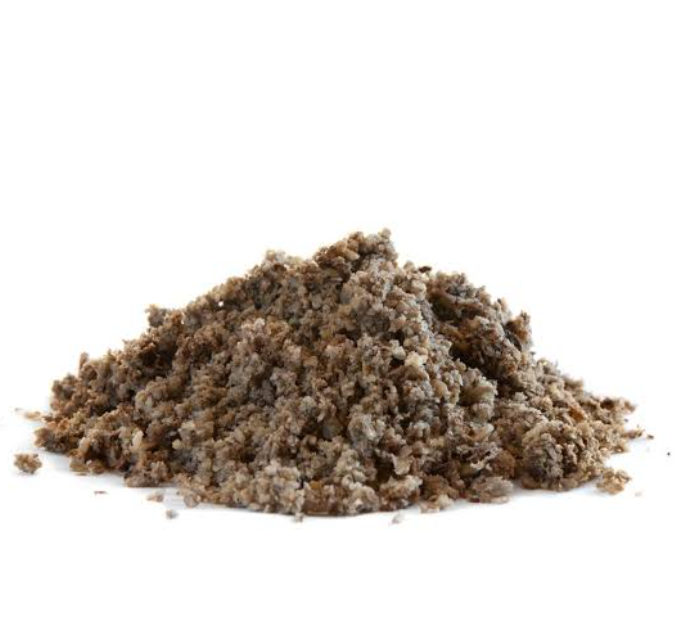
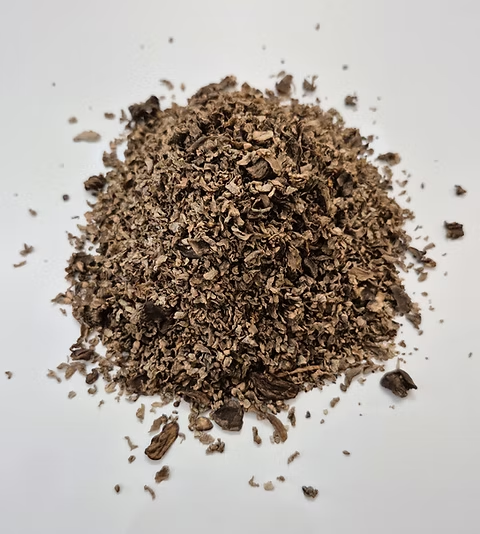
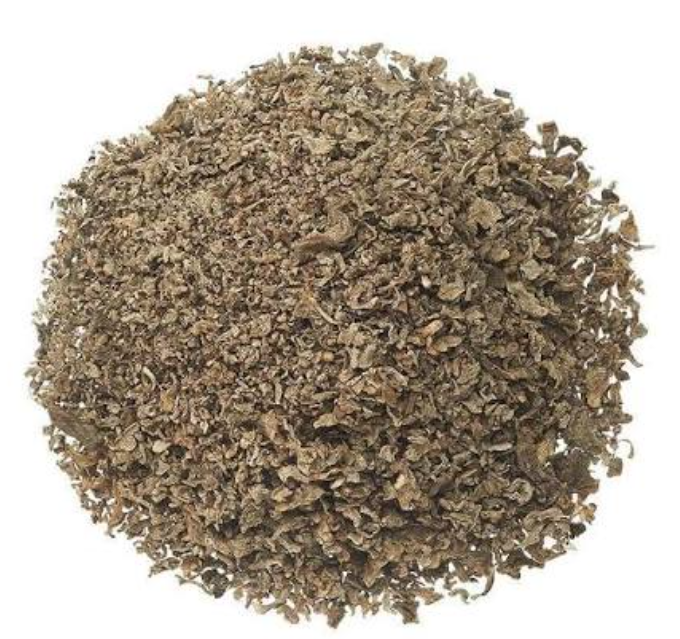
Description
1. Product Overview
Beet Pulp Fiber is a high-quality dietary fiber ingredient derived from sugar beet processing, offering excellent nutritional value and functional performance across animal feed, food, and industrial applications. Primarily used as a fiber-rich feed ingredient and functional food component, it supports digestive health, moisture management, and formulation optimization. Its high fiber content, palatability, and sustainable origin make it a valuable solution for manufacturers seeking natural, cost-effective, and performance-driven raw materials. As demand grows for sustainable agricultural by-products and functional nutrition ingredients, Beet Pulp Fiber represents a strategic sourcing option for global markets.
2. Key Specifications & Technical Characteristics
- Material Composition: Natural beet pulp fiber derived from processed sugar beet residues; primarily composed of dietary fiber, cellulose, hemicellulose, pectin, and residual carbohydrates.
- Grade: Feed grade / food-grade options available depending on processing and end-use requirements.
- Fiber Content: Typically high in total dietary fiber, supporting functional nutrition and animal digestive performance.
- Protein Content: Generally low to moderate, depending on processing method and source.
- Moisture Content: Controlled moisture levels to ensure storage stability and consistent quality.
- Physical Characteristics:
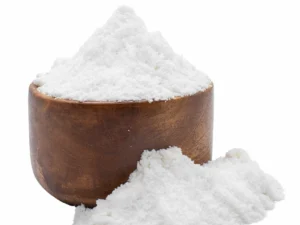
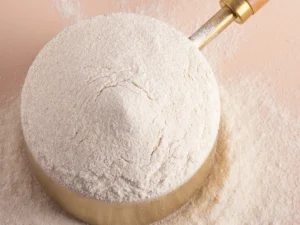
- Form: Dried flakes, pellets, or powdered fiber
- Color: Light beige to brown
- Odor: Natural, mild beet aroma
- Particle Size: Customizable according to application requirements
- Bulk Density: Optimized for efficient storage and transportation
- Solubility & Functionality: Provides water-binding capacity and supports texture enhancement in selected applications.
- Packaging Options:
- 20–25 kg PP woven bags
- Kraft paper bags with inner liner
- Jumbo bags (500–1,000 kg)
- Bulk container loading available
- Shelf Life: Typically 12–24 months when stored in a cool, dry environment away from moisture and contamination.
3. Core Industrial Applications
- Animal Feed Industry:
- Used as a functional fiber ingredient in cattle, dairy, equine, and livestock feed formulations.
- Supports healthy digestion, rumen function, and improved feed efficiency.
- Provides a cost-effective alternative to traditional fiber sources while maintaining nutritional performance.
- Food & Nutrition Industry:
- Applied as a natural dietary fiber ingredient in health foods, bakery products, nutritional blends, and functional food formulations.
- Enhances fiber content and supports clean-label product development.
- Pet Food Industry:
- Used in pet nutrition formulations to support digestive balance and improve stool quality.
- Offers natural fiber functionality compared with synthetic additives.
- Industrial Advantages:
- High water absorption capacity improves formulation stability.
- Consistent fiber performance enables reliable production processes.
- Sustainable agricultural origin supports environmentally responsible sourcing strategies.
4. Competitive Advantages
- Consistent Quality: Produced under controlled processing conditions to deliver reliable fiber content, moisture levels, and physical characteristics.
- Reliable Supply Network: Supported by established sugar beet production chains to ensure continuous availability for industrial buyers.
- Global Logistics Capability: Available in bulk quantities with export-ready packaging and containerized shipment options.
- Cost Competitiveness: Provides an economical alternative to conventional fiber ingredients while maintaining strong functional performance.
- Sustainability Benefits: Utilizes an agricultural by-product, reducing waste and supporting circular economy initiatives.
- Technical Documentation: Available with quality certificates, specifications, nutritional analysis, and compliance documentation to support buyer requirements.
- Strategic Sourcing Value: Enables manufacturers to secure a dependable, sustainable, and versatile fiber ingredient for long-term production needs.
5. Commercial & Supply Information
- Minimum Order Quantity (MOQ): BULK 20 MT
- Loading Capacity: Approximately 20–22 MT per 20-foot container (depending on packaging format and density)

Reviews
There are no reviews yet.