
Description
1. Product Overview
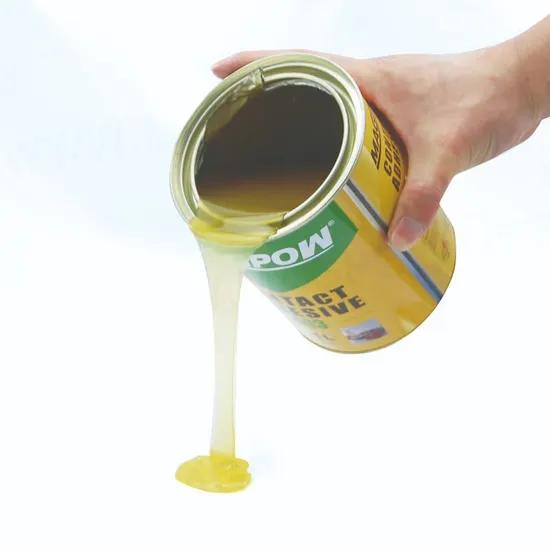
Neoprene Contact Rubber Bonding Adhesive is a high-performance synthetic rubber-based adhesive formulated for strong, durable bonding of neoprene, rubber, leather, fabrics, plastics, metals, and various industrial substrates. It is widely used in footwear, automotive, construction, furniture, marine, and general manufacturing applications where flexible and impact-resistant adhesion is required. The product delivers excellent initial tack, fast bonding strength, and long-term durability under vibration, moisture, and temperature variations. Its reliable performance makes it a strategically important bonding solution for industries seeking efficient assembly processes and reduced production downtime.
2. Key Specifications & Technical Characteristics
- Chemical Composition / Material Components:
- Polychloroprene (neoprene) rubber-based adhesive system
- Synthetic resin modifiers for enhanced bonding strength
- Organic solvent carrier system (solvent-based grades) or water-based polymer dispersion (eco-friendly grades)
- Performance additives for improved flexibility, aging resistance, and adhesion stability
- Grade:
- Industrial-grade adhesive
- Available in general-purpose, high-strength, heat-resistant, and fast-drying formulations
- Physical Characteristics:
- Appearance: Smooth liquid adhesive
- Color: Amber, yellowish, brown, or customized according to formulation
- Viscosity: Adjustable based on application requirements
- Bonding Type: Contact bonding with strong initial grab
- Drying Characteristics: Fast solvent evaporation and rapid strength development
- Temperature Resistance: Suitable for demanding industrial environments
- Packaging Options:
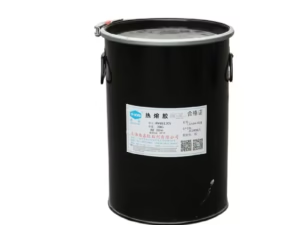
- 5 kg, 10 kg, 20 kg pails
- 50 kg drums
- 200 kg industrial drums
- Bulk packaging available for large-volume industrial supply
- Shelf Life:
- Typically 12–24 months when stored in sealed containers under recommended conditions
3. Core Industrial Applications
- Footwear Manufacturing:
Used for bonding neoprene, rubber soles, leather, textile layers, and synthetic materials, providing flexible and durable footwear construction. - Automotive Industry:
Applied in interior components, rubber seals, insulation materials, vibration-damping parts, and trim assemblies requiring strong elastic bonding. - Construction & Building Materials:
Used for bonding rubber sheets, insulation materials, flooring components, and decorative laminates where resistance to movement and environmental stress is essential. - Marine & Water Sports Equipment:
Suitable for neoprene products such as wetsuits, diving accessories, inflatable equipment, and protective gear requiring waterproof and flexible adhesion. - Furniture & Upholstery Manufacturing:
Provides reliable bonding of foam, fabric, rubber, and composite materials for high-quality furniture production. - Industrial Manufacturing:
Used in sealing, gasket production, rubber component assembly, and general fabrication processes where durable adhesion is required.
Performance Advantages:
Neoprene contact adhesive offers superior flexibility, excellent peel strength, rapid curing, and resistance to environmental exposure compared with conventional rigid adhesives, improving product reliability and manufacturing efficiency.
4. Competitive Advantages
- Consistent Quality Performance:
Manufactured under controlled processes to ensure uniform viscosity, bonding strength, and batch-to-batch reliability. - Reliable Global Supply Capability:
Supported by scalable production capacity and export-ready packaging solutions for international industrial buyers. - Logistics Efficiency:
Available in bulk industrial quantities with optimized container loading and documentation support for global shipments. - Cost Competitiveness:
Provides an economical bonding solution by reducing assembly failures, rework costs, and maintenance requirements. - Sustainability Benefits:
Eco-conscious formulations, including low-VOC and water-based options, are available to support environmental compliance initiatives. - Technical Support & Documentation:
Supplied with technical data sheets (TDS), safety data sheets (SDS), application guidelines, and quality documentation to support industrial qualification processes.
5. Commercial & Supply Information
- Minimum Order Quantity (MOQ): BULK 20 MT
- Loading Capacity: Approximately 20 MT per 20-foot container (depending on packaging configuration and regulatory requirements)
Reviews
There are no reviews yet.