
Description
1. Product Overview
Polyurethane Lamination Adhesive (Flexible Bonding) is a high-performance reactive adhesive system designed for bonding flexible substrates in advanced multilayer lamination processes. It is widely used in flexible packaging, textile composites, films, foils, and industrial laminates where strong adhesion, flexibility, and long-term durability are required. The product delivers excellent bonding strength, resistance to heat and chemicals, and reliable performance under demanding processing conditions. As industries move toward lightweight, high-performance, and sustainable material solutions, polyurethane lamination adhesives have become a strategic material for next-generation manufacturing applications.
2. Key Specifications & Technical Characteristics
- Chemical Composition / Material Components:
- Two-component polyurethane adhesive system consisting of polyurethane polyol resin and isocyanate-based curing agent.
- Formulated with advanced polymer technology for flexible substrate bonding and high-performance lamination.
- Purity / Grade:
- Industrial-grade adhesive suitable for flexible packaging, textile, automotive, and specialty lamination applications.
- Available in solvent-based, solvent-free, and water-based grades depending on application requirements.
- Physical Characteristics:
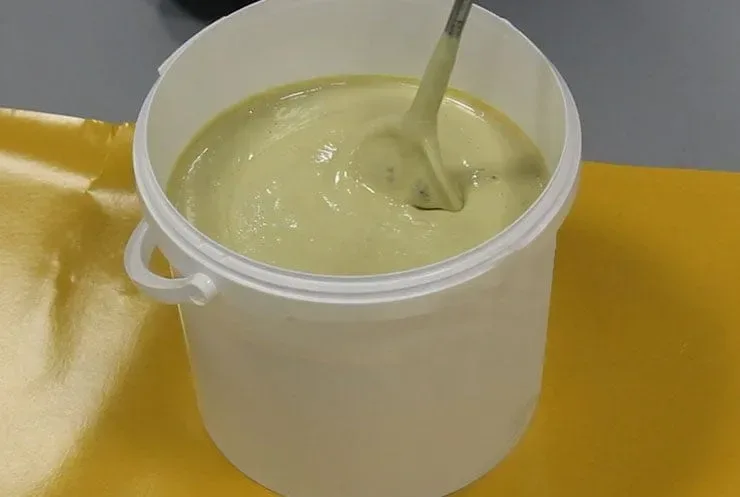
- Appearance: Clear to slightly yellow liquid resin system.
- Viscosity: Optimized for high-speed coating and lamination processes.
- Bonding Performance: High peel strength, excellent flexibility, and strong resistance to delamination.
- Temperature Resistance: Suitable for applications requiring thermal stability and durability.
- Curing Type: Reactive curing system providing permanent elastic bonding.
- Packaging Options:
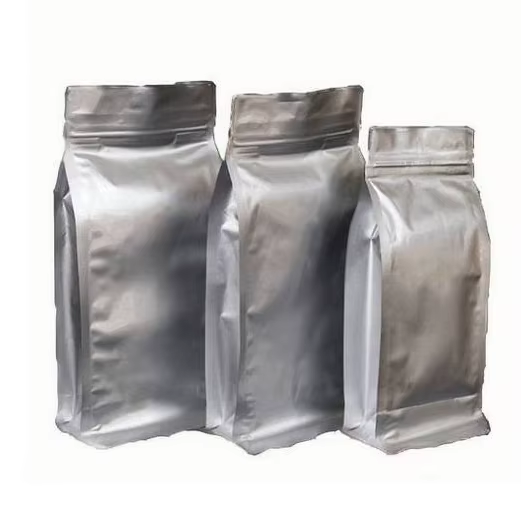
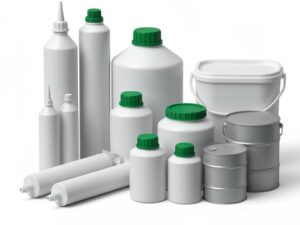
- Available in industrial drums, pails, and bulk containers.
- Standard export packaging suitable for international transportation and storage.
- Shelf Life:
- Typically 6–12 months when stored in sealed original packaging under recommended temperature and humidity conditions.
3. Core Industrial Applications
- Flexible Packaging Industry:
- Used for laminating plastic films, aluminum foil, and paper layers in food, beverage, pharmaceutical, and consumer packaging.
- Provides strong barrier protection and maintains package integrity during handling and storage.
- Textile & Technical Fabric Manufacturing:
- Applied for bonding fabrics, membranes, and coated materials used in outdoor textiles, protective clothing, and industrial fabrics.
- Automotive & Transportation Sector:
- Used in interior components, decorative laminates, insulation materials, and lightweight composite structures requiring flexible bonding.
- Electronics & Specialty Materials:
- Suitable for bonding functional films and multilayer materials where precision adhesion and durability are essential.
- Why It Performs Better Than Alternatives:
- Provides superior flexibility compared with rigid adhesive systems.
- Maintains strong adhesion under repeated bending, temperature changes, and mechanical stress.
- Reduces material failure, improves production efficiency, and extends product service life.
4. Competitive Advantages
- Quality Consistency:
- Manufactured under controlled quality standards to ensure stable viscosity, curing performance, and bonding strength across production batches.
- Supply Reliability:
- Supported by scalable production capacity and dependable raw material sourcing for continuous industrial supply.
- Logistics Capability:
- Export-ready packaging with bulk shipment options to support global distribution and large-volume manufacturing requirements.
- Price Competitiveness:
- Optimized formulation provides excellent cost-performance balance by reducing adhesive consumption, production downtime, and product defects.
- Sustainability Benefits:
- Solvent-free and water-based grades are available to help reduce VOC emissions and support environmentally responsible manufacturing practices.
- Technical Support & Documentation:
- Available with technical data sheets (TDS), safety data sheets (SDS), application guidance, and performance support for industrial users.
5. Commercial & Supply Information
- Minimum Order Quantity (MOQ): BULK 20 MT
- Loading Capacity: Approximately 20–22 MT per standard 20-foot container (depending on packaging configuration and transport regulations)

Reviews
There are no reviews yet.