
Description
1. Product Overview
Polycarboxylic Acid BTCA (1,2,3,4-Butanetetracarboxylic Acid) is a high-performance, textile-grade crosslinking agent widely used in durable press and wrinkle-free finishing systems. It functions as a non-formaldehyde alternative for cellulose fiber modification, primarily in cotton and cotton-blend fabrics. The product delivers superior crease resistance, dimensional stability, and long-lasting fabric smoothness under industrial laundering conditions.
Its key value lies in enabling environmentally compliant wrinkle-free finishing without compromising fabric strength or hand feel, making it a strategic replacement for conventional formaldehyde-based resins. In today’s textile market, BTCA is increasingly important due to tightening global regulations and rising demand for sustainable textile processing solutions.
2. Key Specifications & Technical Characteristics
- Chemical Name: 1,2,3,4-Butanetetracarboxylic Acid (BTCA)
- Chemical Composition: Polycarboxylic acid crosslinking agent
- Purity Level: ≥ 99% (Textile / Industrial Grade)
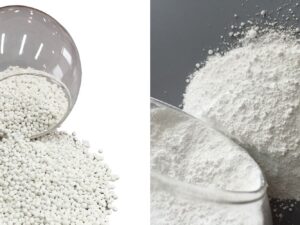
- Physical Form: White crystalline powder
- Odor: Odorless
- Solubility: Highly soluble in water
- Melting Point: ~195–197°C (decomposition range)
- pH (1% solution): Acidic (approx. 1.5–2.5)
- Particle Size: Customizable (standard fine powder for textile processing)
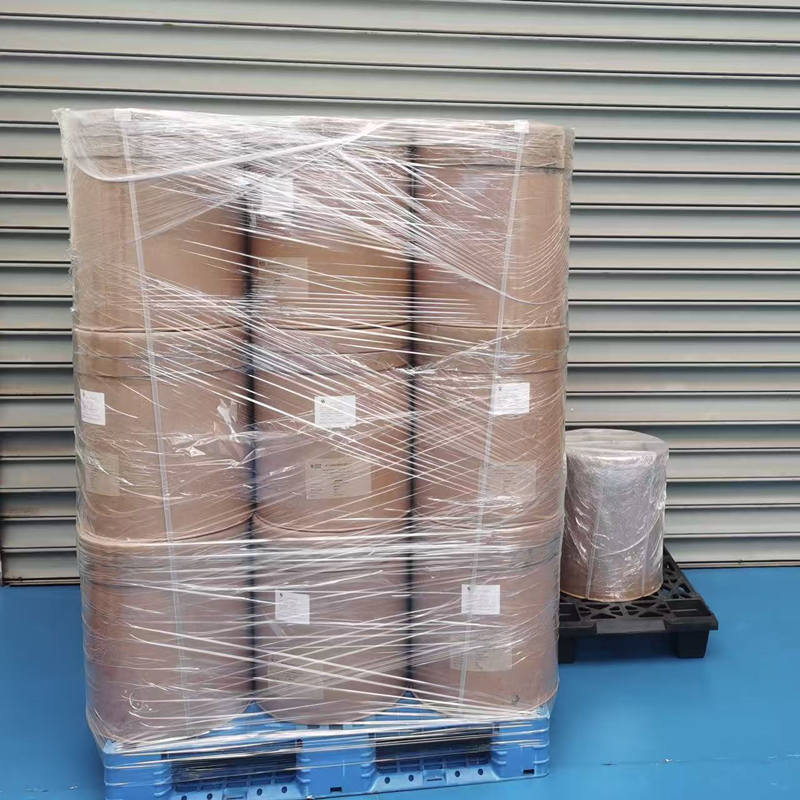
- Packaging Options: 25 kg PE-lined woven bags / Jumbo bags (500–1000 kg)
- Shelf Life: 24 months under cool, dry storage conditions
3. Core Industrial Applications
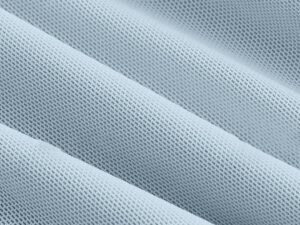
BTCA is primarily used in the textile finishing industry for producing wrinkle-free, easy-care, and durable press fabrics. It is extensively applied in cotton textiles, cotton-polyester blends, home textiles (bed linens, curtains), and apparel manufacturing where high crease resistance is required.
In pad-dry-cure finishing systems, BTCA forms strong ester crosslinks with cellulose fibers, significantly improving wrinkle recovery angle and wash durability. Compared to conventional formaldehyde-based crosslinkers, BTCA offers superior environmental compliance, reduced fabric yellowing, and improved fabric strength retention, making it ideal for premium and export-oriented textile production.
4. Competitive Advantages
- Formaldehyde-Free Chemistry: Compliant with global environmental and safety regulations
- High Crosslinking Efficiency: Delivers strong, durable wrinkle resistance at optimized dosages
- Fabric Integrity Preservation: Minimizes tensile strength loss compared to traditional resins
- Consistent Industrial Quality: Stable batch-to-batch performance for large-scale textile mills
- Supply Chain Reliability: Scalable production capacity for continuous bulk supply
- Cost Efficiency: Reduced reprocessing and chemical loading in finishing systems
- Sustainability Profile: Supports eco-friendly textile certification standards
- Technical Documentation Support: Full COA, MSDS, and process guidance available for industrial integration
5. Commercial & Supply Information
- Minimum Order Quantity (MOQ): 20 MT (Bulk Industrial Supply)
- Bulk Packaging: 25 kg bags or jumbo bags (customizable on request)
- Loading Capacity: Approximately 20–22 MT per 20’ FCL container (depending on packaging configuration)
- Supply Model: FOB / CIF / CFR available based on buyer requirement
- Lead Time: 10–20 working days depending on order volume and destination
- Export Capability: Full support for global shipment and documentation compliance
Reviews
There are no reviews yet.