
Description
1. Product Overview
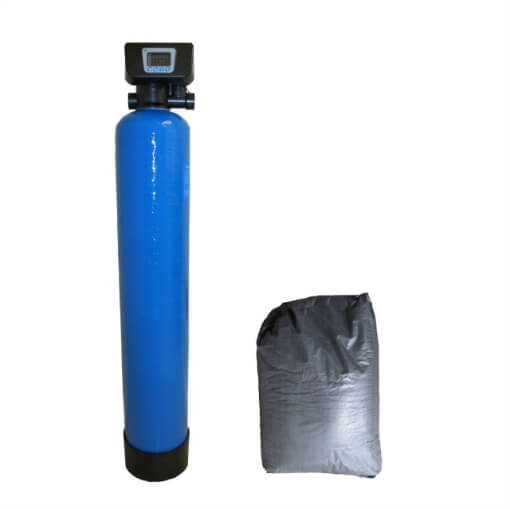
Activated Carbon Filter Media — NSF Activated Carbon is a high-performance adsorption medium engineered for advanced purification and contaminant removal in industrial and municipal systems. It is widely used in water treatment, air filtration, chemical processing, and food-grade applications where strict quality and safety compliance is required. Its key value proposition lies in its exceptionally high surface area, superior adsorption capacity, and NSF-certified safety standards, ensuring reliable removal of organic compounds, chlorine, odors, and trace contaminants.
Strategically, this product is essential in global industries transitioning toward stricter environmental compliance, higher water quality standards, and sustainable purification systems. Its consistency, certification, and broad applicability make it a preferred choice for long-term industrial procurement contracts.
2. Key Specifications & Technical Characteristics
- Material Composition: High-purity activated carbon derived from coconut shell / coal-based feedstock (depending on grade)
- Certification/Grade: NSF Certified (NSF/ANSI compliant for drinking water applications)
- Iodine Value: Typically 800–1200 mg/g (high adsorption capacity grade dependent)
- Surface Area: ~900–1200 m²/g
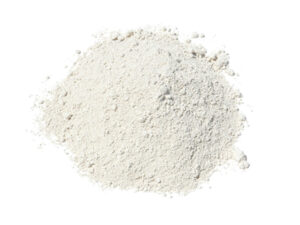
- Physical Form: Granular Activated Carbon (GAC) / Powdered Activated Carbon (PAC) options
- Particle Size: 0.5–4.0 mm (GAC standard range) / fine powder <200 mesh (PAC)
- Bulk Density: 0.45–0.55 g/cm³
- Moisture Content: ≤ 5–10% (as packed)
- Ash Content: ≤ 5–12% depending on feedstock
- Packaging Options: 25 kg PP bags, 500 kg jumbo bags, bulk container liners
- Shelf Life: Indefinite under dry, sealed storage conditions
3. Core Industrial Applications
Activated Carbon Filter Media is extensively used across critical purification and separation processes. In municipal and industrial water treatment, it removes chlorine, volatile organic compounds (VOCs), pesticides, and odor-causing compounds. In air and gas filtration systems, it is applied in HVAC units, chemical plants, and emission control systems to capture toxic gases and industrial fumes.
In the food and beverage industry, it is used for decolorization, taste refinement, and impurity removal, ensuring compliance with strict safety standards. It also plays a key role in pharmaceutical and chemical processing, where high-purity filtration is required for solvents, intermediates, and process water.
Compared to conventional filtration media, activated carbon delivers superior adsorption efficiency, longer operational life, and reduced replacement frequency, making it highly cost-effective for continuous industrial operations.
4. Competitive Advantages
- Consistent High Quality: Uniform adsorption performance across batches ensures predictable operational results
- NSF Certification: Meets international safety standards for potable water and sensitive applications
- Reliable Supply Chain: Stable sourcing and scalable production capacity for bulk industrial demand
- High Adsorption Efficiency: Superior surface area ensures faster and deeper contaminant removal
- Operational Cost Efficiency: Extended service life reduces replacement and downtime costs
- Sustainable Production Options: Available in coconut shell–based eco-friendly variants
- Technical Documentation Support: Full COA, MSDS, and compliance documentation provided for industrial procurement
- Global Logistics Capability: Export-ready packaging optimized for sea freight and bulk container shipping
5. Commercial & Supply Information
- Minimum Order Quantity (MOQ): BULK 20 MT
- Loading Capacity: Approximately 20–22 MT per 20-foot container (depending on packaging density)
- Supply Format: Loose bulk, jumbo bags, or palletized 25 kg bags
- Lead Time: 7–21 days depending on order volume and customization requirements
- Export Capability: Worldwide shipment with full documentation support for customs clearance and industrial compliance requirements
Reviews
There are no reviews yet.