

Description
1. Product Overview
Lactase Enzyme (EC 3.2.1.108), also known as β-galactosidase, is a high-performance biocatalyst designed to hydrolyze lactose into glucose and galactose. It is widely utilized in dairy processing, nutritional manufacturing, and lactose-free product production to improve digestibility and expand product accessibility. The enzyme delivers strong catalytic efficiency under controlled pH and temperature conditions, enabling optimized process throughput and reduced production costs. Its strategic importance continues to grow as global demand for lactose-free and functional dairy products accelerates. This product offers manufacturers a reliable pathway to value-added dairy innovation and regulatory-compliant lactose reduction.
2. Key Specifications & Technical Characteristics
- Chemical Identity: Lactase Enzyme (β-galactosidase), EC 3.2.1.108
- Enzyme Activity Grade: Industrial / Food-grade (customizable IU/g upon request)
- Source: Microbial fermentation (commonly Aspergillus or Kluyveromyces strains)
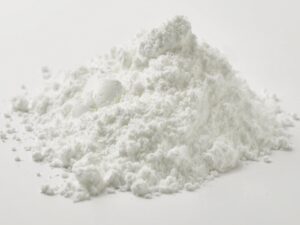
- Physical Form: Free-flowing powder or liquid concentrate (depending on specification)
- Color: Off-white to light brown (powder form)
- Particle Size: Optimized for rapid solubility and dispersion (powder grade)
- Density: 0.4–0.8 g/cm³ (powder, typical range)
- Solubility: Highly soluble in aqueous systems
- Packaging Options: 1 kg foil bags, 25 kg fiber drums, 20–25 kg HDPE containers, bulk IBC (liquid form)
- Shelf Life: 12–24 months under recommended storage (cool, dry, sealed conditions)
3. Core Industrial Applications
- Dairy Processing Industry: Conversion of lactose in milk, whey, and dairy derivatives to produce lactose-free milk, yogurt, ice cream, and cream products
- Nutritional & Infant Formula Manufacturing: Enhances digestibility and reduces lactose intolerance risks in sensitive formulations
- Functional Food & Beverage Production: Used in prebiotic and digestive-friendly product development
- Pharmaceutical & Nutraceutical Applications: Supports enzyme supplementation and digestive aid formulations
- Operational Advantages:
- High catalytic efficiency reduces processing time
- Stable performance under controlled industrial conditions
- Improves product yield and consumer acceptability
- Enables compliance with lactose-free labeling standards
4. Competitive Advantages
- High Enzymatic Consistency: Manufactured under controlled fermentation ensuring batch-to-batch reliability
- Optimized Activity Performance: Strong hydrolysis efficiency across industrial processing conditions
- Supply Chain Reliability: Scalable production capacity suitable for continuous bulk supply contracts
- Cost Efficiency: Reduces raw material waste and enhances lactose conversion yield, lowering overall production cost
- Sustainability Profile: Supports cleaner dairy processing with reduced chemical dependency and waste output
- Technical Documentation Support: Full COA, MSDS, and enzyme activity reports available for regulatory and QA compliance
- Process Integration Flexibility: Compatible with existing dairy and food processing systems without major equipment modification
5. Commercial & Supply Information
- Minimum Order Quantity (MOQ): BULK 20 MT
- Loading Capacity:
- Approx. 16–20 MT per 20 ft container (solid/powder form depending on packing density)
- Higher tonnage achievable in bulk liquid IBC shipments
- Supply Terms: FOB / CIF available upon request
- Packaging for Export: Moisture-protected, sealed industrial-grade packaging designed for long-haul international logistics
- Lead Time: Standard industrial production scheduling (typically 2–4 weeks depending on volume and customization)


Reviews
There are no reviews yet.