
Description
1. Product Overview
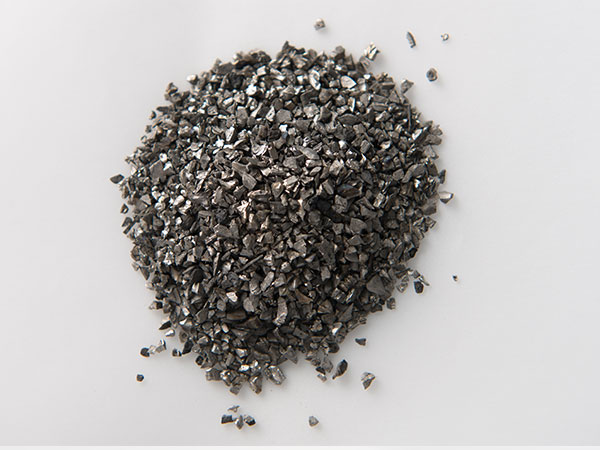
Industrial Palladium-on-Carbon Residue is a high-value precious metal-bearing byproduct derived from catalytic hydrogenation and fine chemical processing operations. It contains recoverable palladium dispersed on carbonaceous material, making it a critical secondary resource for metal recycling and refinery feedstock. The product is primarily used in precious metal recovery and reprocessing industries to reclaim palladium for reuse in catalytic and chemical applications. Its key value proposition lies in its high recovery potential, cost-efficient sourcing versus primary palladium, and strategic importance in supporting circular precious metal supply chains. This material plays a vital role in reducing dependency on mined palladium while enhancing supply security for industrial users.
2. Key Specifications & Technical Characteristics
- Chemical Composition: Palladium (Pd) supported on activated carbon matrix
- Metal Content: Variable palladium concentration (typically assay-dependent, refinery-grade)
- Physical Form: Moist solid / slurry / damp carbon residue
- Color: Black to dark gray
- Particle Characteristics: Fine carbon-based particulate with dispersed metal content
- Bulk Density: Variable depending on moisture and carbon load
- Packaging Options: Sealed steel drums, fiber drums, or industrial-grade lined containers
- Storage Conditions: Cool, dry, sealed environment to prevent contamination and loss
- Shelf Life: Stable under controlled storage; no chemical degradation of palladium content
3. Core Industrial Applications
This material is primarily utilized in precious metal recovery and refining operations focused on palladium reclamation. Key industries include:
- Pharmaceutical and fine chemical manufacturing (spent catalyst recovery streams)
- Petrochemical and hydrogenation process facilities
- Specialty chemical and catalyst regeneration plants
- Precious metal refineries and recycling units
Operational use cases include:
- Feedstock for hydrometallurgical and pyro-metallurgical palladium extraction
- Recovery and refining into high-purity palladium metal for catalyst re-manufacturing
- Reprocessing into fresh catalytic materials for chemical synthesis
Compared to primary palladium sourcing, this residue offers significant cost advantages and supply chain resilience while supporting circular material recovery systems.
4. Competitive Advantages
- High Recovery Value: Strong palladium yield potential for refiners and recyclers
- Consistent Feedstock Quality: Controlled sourcing from industrial catalytic processes
- Supply Reliability: Stable availability from ongoing industrial catalyst turnover streams
- Cost Efficiency: Lower acquisition cost compared to refined palladium metal inputs
- Sustainability Benefit: Supports circular economy and reduces mining dependency
- Technical Documentation: Full assay reports and traceability documentation available per batch
- Refinery Compatibility: Suitable for standard precious metal recovery processes without complex pre-treatment
5. Commercial & Supply Information
- Minimum Order Quantity (MOQ): BULK 20 MT
- Supply Format: Industrial bulk shipments (drums or containerized residue)
- Loading Capacity: Approximately 18–20 MT per 20-foot container (depending on moisture and packaging configuration)
- Delivery Terms: FOB / CIF available upon agreement with buyer specifications
- Inspection: Third-party assay and sampling available prior to shipment
- Transaction Basis: Weight and assay-adjusted valuation model for precious metal content
Reviews
There are no reviews yet.