
Description
- Product Overview
Industrial Copper Catalyst Residue is a high-value metallurgical by-product derived from copper-based catalytic processes, typically recovered from refining, petrochemical, or hydrometallurgical operations. It serves as a secondary raw material for metal recovery, particularly for copper and trace valuable metals, making it an important feedstock in circular resource recovery systems. The primary industrial use is in smelting, refining, and precious metal extraction processes where residual metal content can be economically reclaimed. Its key value proposition lies in its ability to convert industrial waste streams into monetizable metal recovery inputs, improving overall process economics. Strategically, it is increasingly important in global markets due to rising demand for secondary raw materials and tightening raw material supply chains. - Key Specifications & Technical Characteristics
- Chemical Composition: Copper (Cu) compounds with trace metals such as Fe, Ni, Zn, and noble metal residues (varies by source)
- Purity Level / Grade: Industrial secondary material (variable metal content, typically assay-dependent)
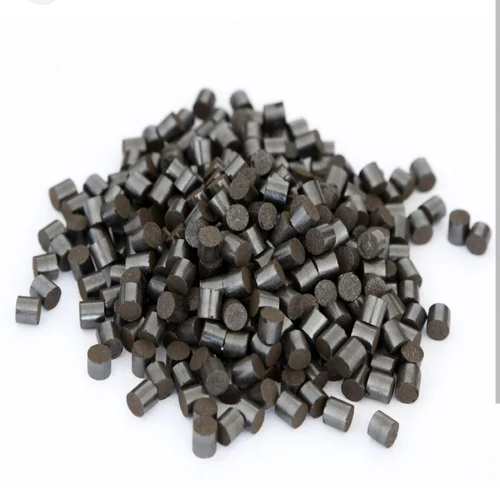
- Physical Form: Powdered residue, semi-dried filter cake, or granular slag-like material
- Color: Dark brown to black with metallic inclusions
- Particle Size: Variable (typically fine particulate to 5 mm aggregates depending on processing stage)
- Density: Bulk density typically 1.2–2.5 g/cm³ (variable by moisture and composition)
- Packaging Options: 1 MT jumbo bags, steel drums, or bulk containerized shipment
- Shelf Life: Stable under dry, sealed storage conditions; no chemical degradation but moisture-sensitive
- Core Industrial Applications
- Primary Industries: Copper smelting, metal refining, precious metal recovery, and hydrometallurgical processing plants
- Use Cases: Feedstock for secondary copper extraction, recovery of trace precious metals (Au, Ag, PGMs), and blending material in smelting furnaces
- Performance Advantage: Offers economically efficient metal recovery compared to virgin ore processing due to higher concentration of recoverable residues
- Operational Benefits: Reduces raw material procurement costs while improving resource utilization rates in large-scale metallurgical operations
- Commercial Value: Enables integrated recycling strategies for industrial plants seeking to maximize yield from catalytic and refinery waste streams
- Competitive Advantages
- Quality Consistency: Sourced from controlled industrial catalytic processes ensuring predictable assay ranges per batch
- Supply Reliability: Continuous availability from refinery and petrochemical by-product streams
- Logistics Capability: Export-ready bulk handling with standardized packaging for international shipping compliance
- Price Competitiveness: Significantly lower input cost compared to primary copper ores or refined concentrates
- Sustainability Benefits: Supports circular economy initiatives by reducing industrial waste and promoting metal recovery
- Technical Support: Full assay documentation, batch traceability, and metallurgical analysis available upon request
- Commercial & Supply Information
- Minimum Order Quantity (MOQ): BULK 20 MT
- Loading Capacity: Up to 20–25 MT per 20ft container depending on packaging density and moisture content


Reviews
There are no reviews yet.