
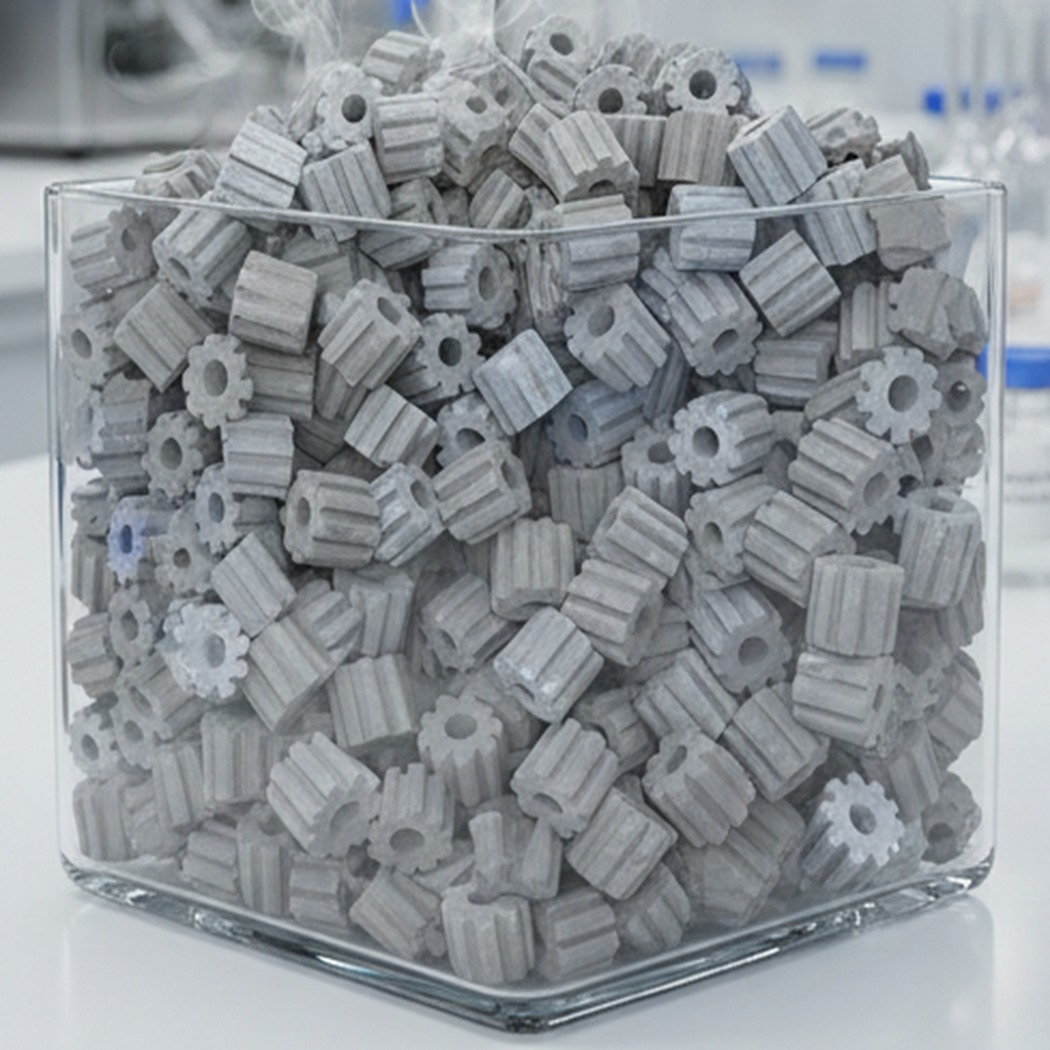
Description
1. Product Overview
Industrial Nickel Catalyst Residue is a high-value secondary raw material derived from spent nickel-based catalytic systems used in petrochemical, hydrogenation, and refining processes. It contains recoverable nickel compounds and trace process metals, making it a strategic feedstock for metal recovery, refining, and circular resource utilization. The primary industrial use is in nickel recovery operations and downstream reprocessing into refined nickel salts or metal products.
Its key value proposition lies in enabling cost-efficient nickel recovery while supporting circular economy initiatives and reducing raw material dependency. In a tightening global nickel supply environment, this material plays a strategically important role in stabilizing feedstock sourcing for refiners and chemical processors.
2. Key Specifications & Technical Characteristics
- Material Type: Spent nickel-based catalyst residue (industrial by-product)
- Chemical Composition: Nickel (Ni), alumina/silica carriers, trace sulfur, carbon deposits, and minor metal oxides
- Nickel Content: Typically 5% – 25% (variable depending on source stream)
- Physical Form: Granular solid / powder / pelletized residue
- Color: Dark gray to black
- Bulk Density: ~0.8 – 1.4 g/cm³ (process dependent)
- Moisture Content: ≤ 5% (controlled drying available upon request)
- Packaging Options:
- Sealed steel drums (200–250 kg)
- Flexible intermediate bulk containers (FIBC/Jumbo bags 500–1000 kg)
- Bulk containerized shipment (lined)
- Shelf Life: Stable under dry, sealed storage conditions (recommended <24 months for optimal recovery efficiency)
3. Core Industrial Applications
- Primary Industries:
- Hydrometallurgical refining
- Non-ferrous metal recovery plants
- Petrochemical catalyst recycling units
- Specialty chemical manufacturing
- Key Use Cases:
- Nickel extraction via leaching and solvent extraction processes
- Feedstock for secondary nickel sulfate / nickel chloride production
- Recovery of valuable metals in closed-loop recycling systems
- Performance Advantages:
- Higher recoverable metal yield compared to low-grade ores
- Reduced preprocessing cost versus virgin nickel feedstocks
- Consistent recovery performance when processed under standard hydrometallurgical conditions
4. Competitive Advantages
- Quality Consistency: Homogenized feedstock streams with controlled residue grading for predictable recovery performance
- Supply Reliability: Continuous availability from industrial decommissioning and process turnover streams
- Logistics Capability: Export-ready packaging compliant with international hazardous industrial material handling standards
- Price Competitiveness: Significantly lower acquisition cost versus primary nickel ore or refined nickel salts
- Sustainability Benefits: Supports circular economy by reducing mining dependency and lowering carbon intensity of nickel supply chains
- Technical Support: Full material characterization reports (assay, moisture, impurity profile) and recovery guidance documentation available
5. Commercial & Supply Information
- Minimum Order Quantity (MOQ): BULK 20 MT
- Supply Format: Continuous bulk lots available subject to feedstock availability
- Loading Capacity: 20–22 MT per 20ft container (depending on packaging configuration and moisture content)
- Shipment Terms: FOB / CIF / CFR available upon request
- Documentation: Certificate of Analysis (CoA), Material Safety Data Sheet (MSDS), and export compliance documents provided per shipment




Reviews
There are no reviews yet.