
Description
1. Product Overview
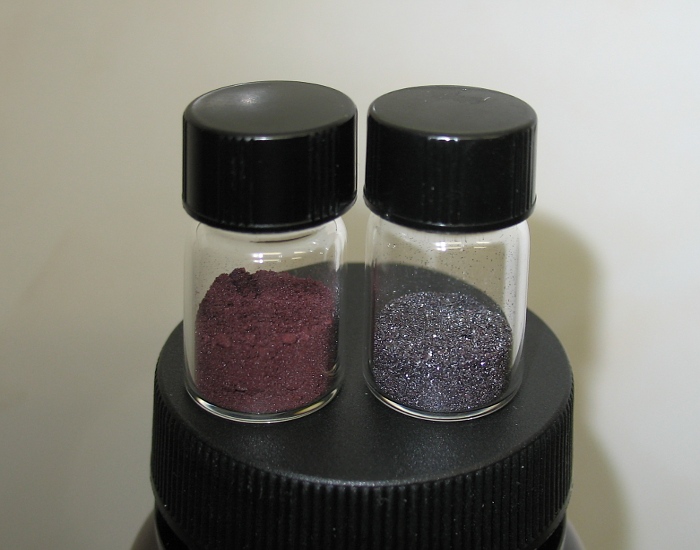
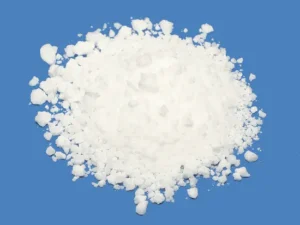
Industrial Red Phosphorus Residue is a by-product material derived from controlled phosphorus processing operations, primarily consisting of residual red phosphorus compounds and associated phosphorus-based intermediates. It is widely utilized in secondary chemical recovery, specialty material processing, and downstream phosphorus reprocessing industries. The product offers significant value as a cost-efficient feedstock for recovery and re-refinement applications, enabling circular utilization of phosphorus resources.
In a tightening global phosphorus supply chain, this residue plays a strategically important role by supporting resource efficiency, waste minimization, and industrial sustainability initiatives. Its value proposition lies in its ability to be reprocessed into usable phosphorus derivatives, reducing dependency on virgin raw materials while improving operational economics.
2. Key Specifications & Technical Characteristics
- Chemical Composition: Predominantly red phosphorus residues with trace phosphates, phosphorus oxides, and inert mineral impurities
- Purity Level / Grade: Industrial reprocessing grade (variable composition depending on source stream)
- Physical Characteristics:
- Form: Powder / granular / semi-aggregated residue
- Color: Dark red to reddish-brown
- Particle Size: Irregular, typically 50–500 microns (non-uniform)
- Density: Approx. 1.8–2.2 g/cm³ (bulk-dependent)
- Moisture Content: ≤ 2–5% (storage-dependent variability)
- Packaging Options:
- Steel drums (lined)
- Industrial-grade sealed bags (25–50 kg)
- Bulk containerized liner bags
- Shelf Life: 12–24 months under dry, inert, and temperature-controlled storage conditions
3. Core Industrial Applications
Industrial Red Phosphorus Residue is primarily used in phosphorus recovery and secondary chemical processing industries. Key applications include reprocessing into phosphorus derivatives for flame retardants, fertilizers, and specialty chemical intermediates. It is also utilized in controlled chemical recycling systems where phosphorus recovery efficiency is a core operational objective.
In comparison to virgin phosphorus feedstocks, this material offers significant cost advantages while supporting circular production models. Its reusability in downstream synthesis processes makes it a preferred input for manufacturers focused on cost optimization and resource recovery efficiency. Additionally, it enables improved material utilization rates in phosphorus-intensive production environments.
4. Competitive Advantages
- Quality Consistency: Stabilized industrial sourcing streams with controlled composition variability
- Supply Reliability: Continuous availability from large-scale phosphorus processing operations
- Logistics Capability: Bulk export-ready packaging designed for safe international transport
- Price Competitiveness: Significantly lower cost base compared to refined phosphorus raw materials
- Sustainability Benefits: Supports circular economy models through industrial waste valorization and resource recovery
- Technical Support: Full documentation available including COA, MSDS, and handling guidelines for industrial compliance
5. Commercial & Supply Information
- Minimum Order Quantity (MOQ): 20 MT (Bulk industrial supply only)
- Bulk Supply Capacity: Scalable monthly volumes available depending on contract requirements
- Loading Capacity: Approximately 20–25 MT per 20-ft container (depending on packaging configuration and safety regulations)
Reviews
There are no reviews yet.