
Description
1. Product Overview
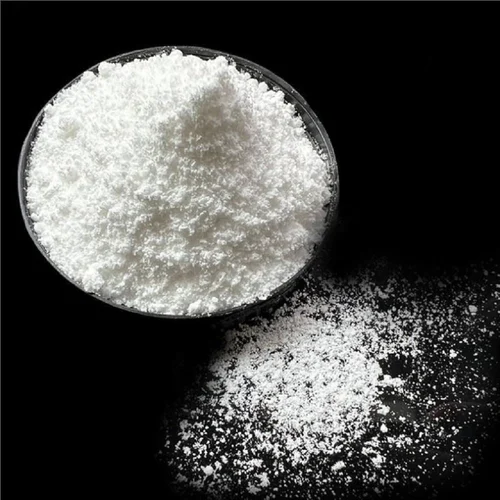
Industrial Ammonium Polyphosphate Residue is a phosphorus- and nitrogen-rich byproduct derived from ammonium polyphosphate production processes. It is primarily utilized in industrial fertilizer blending, flame retardant formulation, and secondary chemical recovery applications. The material offers strong nutrient value recovery potential and supports circular economy initiatives by reducing industrial waste streams. Its key value propositionBeta-glucosidase lies in its cost-efficient raw material sourcing for downstream chemical and agricultural industries, while maintaining stable elemental composition for bulk industrial use. Strategically, it is increasingly important in markets prioritizing resource recovery, sustainable phosphorus management, and low-cost input materials.
2. Key Specifications & Technical Characteristics
- Chemical Composition: Ammonium polyphosphate (APP) derivatives with residual phosphorus (P₂O₅) and nitrogen (N) compounds
- Purity Level / Grade: Industrial grade residue material (non-food, non-pharmaceutical)
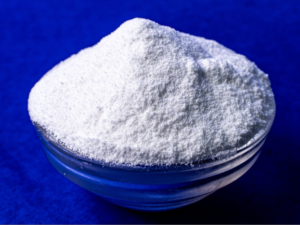
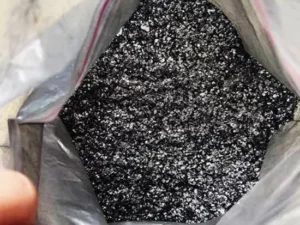
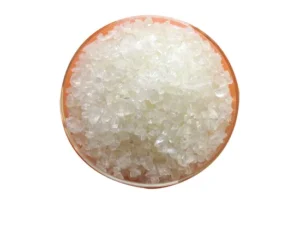
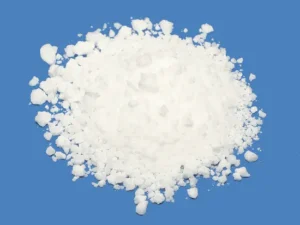
- Physical Form: Powder / granular residue (process-dependent)
- Color: Off-white to light gray
- Particle Size: Variable (typically 50–500 microns depending on processing stage)
- Bulk Density: Approx. 0.6 – 1.1 g/cm³ (variable by moisture content)
- Moisture Content: ≤ 5–12% (process dependent)
- Packaging Options:
- 25 kg PP woven bags
- 500–1000 kg jumbo bags (FIBC)
- Bulk tanker / sealed container loading
- Shelf Life: 12–24 months under dry, cool storage conditions
3. Core Industrial Applications
This material is widely utilized across fertilizer manufacturing, chemical recycling, and flame retardant precursor blending industries. In agriculture, it is incorporated into blended fertilizers as a cost-efficient phosphorus and nitrogen source, supporting soil nutrient replenishment. In industrial chemistry, it serves as a secondary raw material for phosphorus recovery and compound reprocessing. In flame retardant production, it is used as a feedstock additive for intumescent systems due to its phosphate content. Compared to virgin ammonium polyphosphate, this residue offers significant cost advantages while maintaining usable nutrient functionality for non-critical industrial applications.
4. Competitive Advantages
- Quality Consistency: Controlled industrial byproduct stream ensures stable batch-to-batch composition
- Supply Reliability: Continuous availability from large-scale chemical production processes
- Logistics Capability: Bulk export-ready packaging and containerized shipping support
- Price Competitiveness: Significantly lower cost compared to virgin ammonium polyphosphate
- Sustainability Benefits: Supports circular economy by valorizing industrial waste streams and reducing landfill disposal
- Technical Support: Full specification sheets, COA availability, and bulk handling guidance provided upon request
5. Commercial & Supply Information
- Minimum Order Quantity (MOQ): BULK 20 MT
- Standard Supply Scale: 20–500 MT per shipment contract
- Loading Capacity: Approximately 20–25 MT per 20-foot container (depending on packaging density and moisture content)
Reviews
There are no reviews yet.