
Description
1. Product Overview
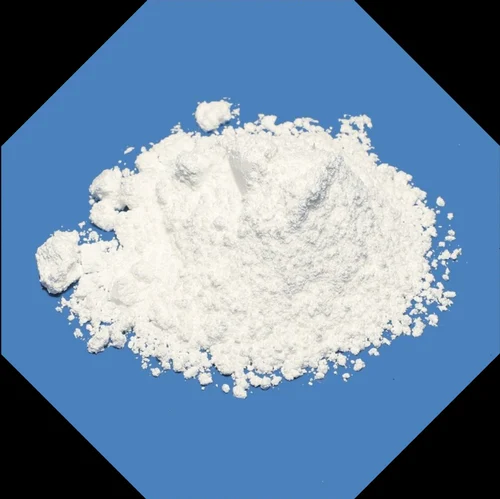
Industrial Tartaric Acid Residue is a high-value byproduct derived from grape processing and tartaric acid manufacturing streams, rich in natural tartrate compounds and organic acid derivatives. It is widely utilized across chemical, fermentation, and industrial processing sectors as a cost-efficient raw material input and secondary feedstock. The product delivers strong value through its ability to be reprocessed into tartrate salts, acidulants, and industrial intermediates, reducing reliance on virgin chemical inputs. Its strategic importance lies in supporting circular chemical supply chains and lowering overall production costs for downstream manufacturers.
2. Key Specifications & Technical Characteristics
- Chemical Composition: Mixture of tartaric acid derivatives, potassium/calcium tartrates, organic residues
- Purity Level / Grade: Industrial grade (variable composition depending on batch source)
- Physical Form: Semi-solid / crystalline sludge / moist powder (process-dependent)
- Color: Light brown to dark brown
- Odor: Mild organic / fermentation-derived scent
- Particle Characteristics: Fine heterogeneous crystalline-organic matrix
- Moisture Content: Variable (typically moderate to high depending on extraction stage)
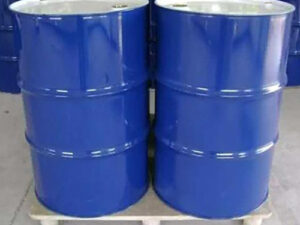
- Packaging Options:
- 25–50 kg woven bags with liner
- 500–1000 kg jumbo bags (FIBC)
- Bulk tanker / containerized loose loading
- Shelf Life: 6–12 months under dry, cool, sealed storage conditions
3. Core Industrial Applications
- Chemical Industry: Feedstock for recovery of tartaric acid, tartrate salts, and related organic compounds
- Food & Beverage Processing (Indirect Use): Raw material for upstream acidulant and stabilizer production
- Fermentation Industry: Nutrient-rich input for controlled microbial and yeast-based processes
- Agricultural Inputs: Component in organic soil conditioners and mineral blending systems
- Industrial Recycling & Recovery: Valuable source material for circular extraction systems and waste valorization plants
This product performs competitively due to its low acquisition cost, high recoverable chemical yield, and suitability for multiple downstream processing routes, making it a flexible industrial input compared to refined tartaric acid.
4. Competitive Advantages
- Quality Consistency: Stable sourcing from controlled industrial production streams
- Supply Reliability: Continuous availability from large-scale processing cycles
- Logistics Capability: Flexible bulk shipping, containerization, and export-ready handling
- Price Competitiveness: Significantly lower cost versus refined tartaric acid or synthetic substitutes
- Sustainability Benefits: Supports circular economy by converting industrial residue into usable raw materials
- Technical Support: Full documentation available including COA, MSDS, and batch traceability on request
5. Commercial & Supply Information
- Minimum Order Quantity (MOQ): BULK 20 MT
- Loading Capacity: 20–26 MT per standard 20-foot container (depending on moisture content and packaging type)
Reviews
There are no reviews yet.