

Description
1. Product Overview
Industrial Glucose Feedstock is a high-purity carbohydrate solution widely used as a foundational raw material across fermentation, biochemical synthesis, and industrial processing applications. It serves as a critical input in sectors such as food processing, pharmaceuticals, bioethanol production, and enzyme-driven manufacturing systems where consistent fermentable sugar supply is essential. The product delivers high metabolic efficiency in microbial and enzymatic conversion processes, supporting optimized yields and stable production performance.
Its key value proposition lies in its reliable composition and predictable performance in large-scale industrial systems, making it a strategically important input for continuous production environments. In enzyme-assisted hydrolysis systems, including beta-glucosidase-driven pathways, it enhances conversion efficiency and process stability, improving overall downstream output economics.
2. Key Specifications & Technical Characteristics
- Chemical Composition: D-glucose (C₆H₁₂O₆) aqueous solution or glucose solids depending on supply form
- Purity Level / Grade: Industrial grade (typically 90–99% glucose content depending on specification)
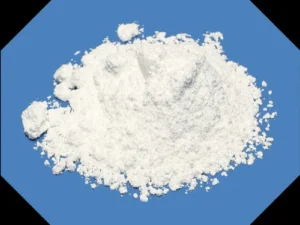
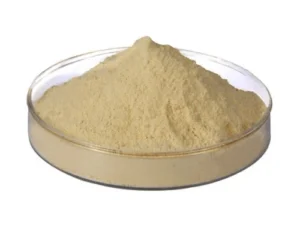
- Physical Form: Syrup (viscous liquid) or crystalline powder
- Color: Clear to light amber (liquid form); white crystalline (solid form)
- Particle Size (powder): 80–200 mesh (customizable on request)
- Density: ~1.20–1.35 g/cm³ (liquid variant, concentration-dependent)
- Packaging Options: 25 kg bags (solid), 250–300 kg drums (liquid), IBC tanks, bulk tanker shipments
- Shelf Life: 12–24 months under sealed, dry, and temperature-controlled storage conditions
3. Core Industrial Applications
Industrial Glucose Feedstock is extensively utilized across fermentation-based and biochemical industries as a primary carbon and energy source.
- Bioethanol & Biofuel Production: Serves as a fermentable sugar substrate for ethanol-producing microorganisms, maximizing yield efficiency.
- Food & Beverage Industry: Used in sweetening, fermentation control, and flavor stabilization processes.
- Pharmaceutical Manufacturing: Supports microbial fermentation for antibiotics, vitamins, and organic acids production.
- Biochemical & Enzyme Industries: Acts as a substrate in enzyme-catalyzed reactions and microbial growth media.
- Industrial Fermentation Systems: Provides consistent nutrient supply for yeast, bacteria, and fungal cultures.
Compared to alternative carbohydrate sources, industrial glucose offers superior bioavailability, faster fermentation kinetics, and reduced impurity-related process disruptions, leading to higher operational efficiency and lower production downtime.
4. Competitive Advantages
- High Consistency: Tight specification control ensures stable fermentation and predictable process outcomes
- Supply Reliability: Scalable production capacity supports continuous industrial demand cycles
- Logistics Efficiency: Flexible bulk packaging options optimized for global shipping and storage
- Cost Competitiveness: High conversion efficiency reduces overall input cost per unit output
- Sustainability: Derived from renewable starch-based sources with lower environmental footprint
- Technical Documentation: Full COA, MSDS, and batch traceability available for industrial compliance
- Process Compatibility: Optimized for integration into enzyme-driven and microbial production systems
5. Commercial & Supply Information
- Minimum Order Quantity (MOQ): BULK 20 MT
- Loading Capacity: Up to 20–24 MT per standard 20-foot container (depending on packaging type and density)


Reviews
There are no reviews yet.