
Description
1. Product Overview
Industrial Triethanolamine (TEA) Residue is a high-value chemical by-product derived from TEA production and refining processes. It is primarily utilized in industrial formulations where amine functionality, alkalinity, and blending compatibility are required, particularly in surfactant systems, cement additives, and corrosion inhibition applications. The product offers a cost-efficient alternative feedstock for downstream chemical manufacturing, enabling significant raw material optimization without compromising functional performance.
Strategically, TEA residue plays an important role in circular chemical value chains by converting process by-products into usable industrial inputs, reducing waste disposal burdens and improving overall production economics. Its growing relevance is driven by increasing demand for sustainable sourcing and cost-efficient chemical intermediates in global manufacturing markets.
2. Key Specifications & Technical Characteristics
- Chemical Composition: Mixture of triethanolamine (TEA), diethanolamine (DEA), monoethanolamine (MEA) traces, and organic amine derivatives
- Purity Level / Grade: Industrial grade (variable composition depending on batch origin)
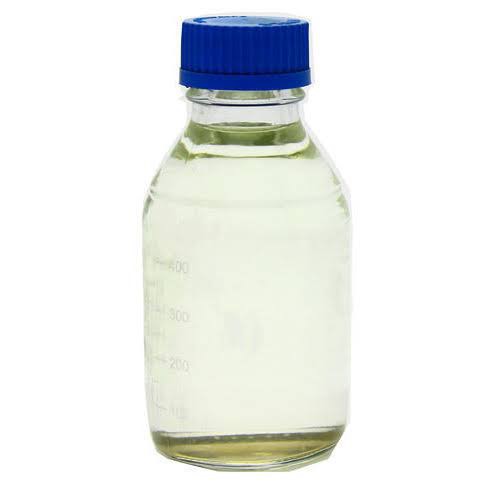
- Physical Form: Viscous liquid or semi-fluid residue
- Color: Light amber to dark brown
- Odor: Mild amine-like characteristic odor
- Density: Approx. 1.05 – 1.20 g/cm³ (varies by composition)
- Solubility: Fully miscible with water and polar solvents
- Packaging Options:
- 200L HDPE drums
- 1000L IBC tanks
- Bulk tanker supply
- Shelf Life: 12 months under sealed, dry, and cool storage conditions
3. Core Industrial Applications
- Cement and Construction Additives: Used as grinding aid component and set regulator in cement manufacturing
- Surfactant and Detergent Production: Acts as intermediate feedstock in the production of emulsifiers and cleaning agents
- Gas Treatment & Corrosion Inhibition: Utilized in neutralization and CO₂/H₂S scavenging formulations
- Textile and Leather Processing: Applied in pH control and auxiliary chemical formulations
- Industrial Chemical Blending: Serves as low-cost amine source in formulation optimization
Compared to virgin TEA, the residue provides a significantly lower-cost input stream while still delivering functional amine activity, making it attractive for large-scale industrial formulators seeking cost reduction without major process redesign.
4. Competitive Advantages
- Cost Efficiency: Substantially lower pricing compared to refined TEA while maintaining usable chemical functionality
- Supply Stability: Sourced from continuous industrial production streams ensuring consistent availability
- Circular Economy Benefit: Supports waste valorization and sustainable chemical lifecycle integration
- Logistics Flexibility: Available in drum, IBC, and bulk tanker shipments for scalable procurement
- Application Versatility: Suitable for multiple downstream industrial sectors with minimal preprocessing
- Technical Support: COA (Certificate of Analysis) and MSDS documentation available for every batch
5. Commercial & Supply Information
- Minimum Order Quantity (MOQ): BULK 20 MT
- Loading Capacity: 20–24 MT per standard 20ft container (bulk liquid configuration)
- Supply Form: Ex-works / FOB / CIF (upon request depending on destination)
- Dispatch Mode: Bulk tanker, IBC containers, or drum-packed shipments depending on buyer requirement
Reviews
There are no reviews yet.