
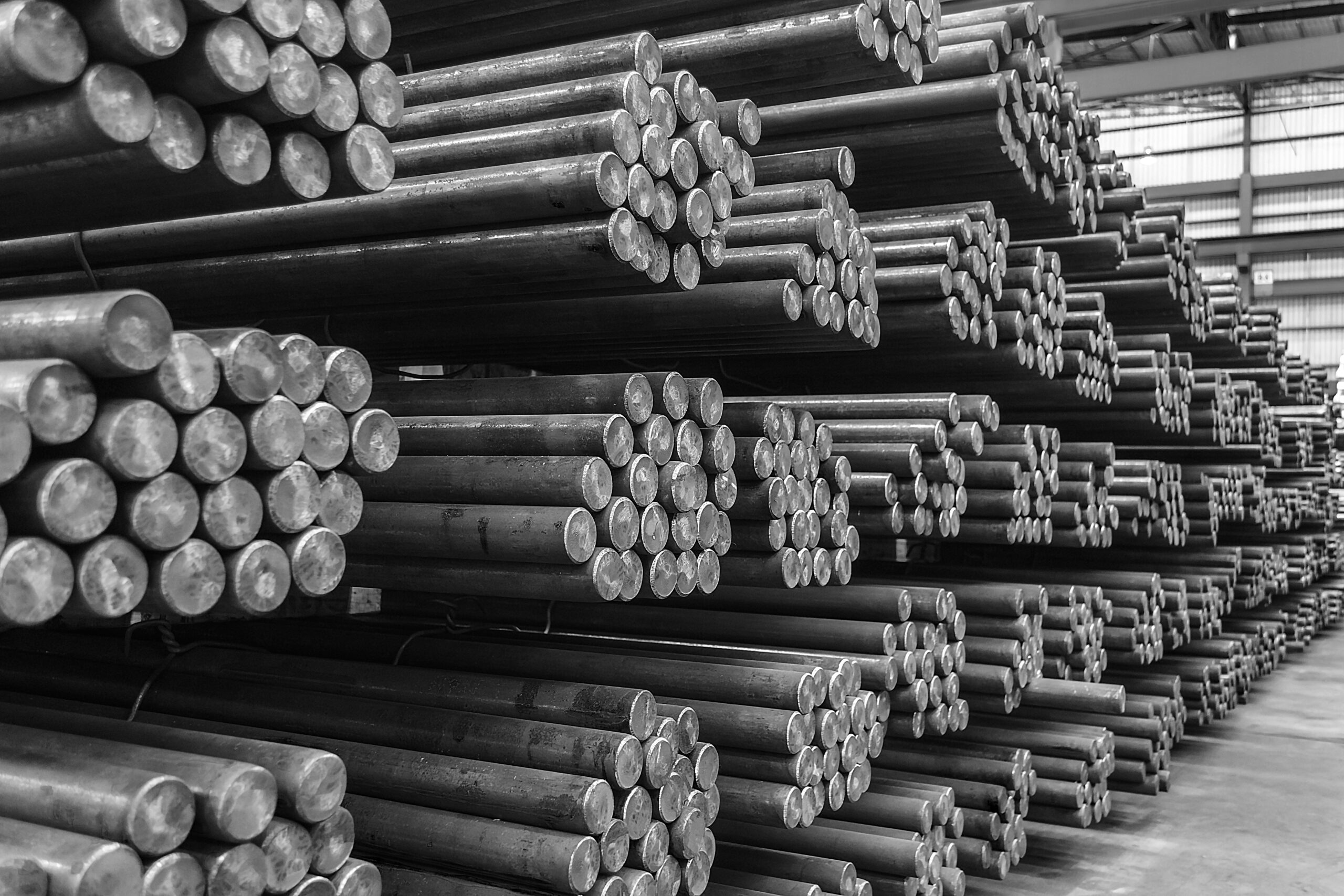
Description
1. Product Overview
Cobalt-Nickel Alloy Residue is a high-value metallurgical by-product derived from precision alloy processing and recovery operations. It is primarily utilized in hydrometallurgical and pyrometallurgical refining systems for the recovery of cobalt, nickel, and associated strategic metals. The product delivers significant value as a secondary raw material feedstock, enabling cost-efficient metal reclamation and circular resource utilization. Its strategic importance lies in supporting critical supply chains for energy storage, aerospace alloys, and advanced manufacturing sectors. Positioned as a reliable industrial input, it offers buyers a competitive advantage in resource recovery efficiency and feedstock optimization.
2. Key Specifications & Technical Characteristics
- Material Composition: Cobalt (Co), Nickel (Ni), trace iron, copper, and minor alloying residues
- Purity Level / Grade: Industrial-grade metallurgical residue (variable metal content depending on batch)
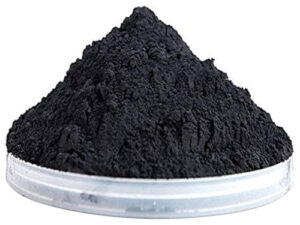
- Physical Form: Solid residue, granulated cake, or filter cake (process-dependent)
- Color: Dark grey to metallic black
- Particle Size: Irregular; typically 0–5 mm agglomerates
- Density: Approx. 3.5–5.5 g/cm³ (variable by moisture and composition)
- Packaging Options: Sealed HDPE drums, steel drums, or bulk flexible intermediate containers (FIBC)
- Shelf Life: Stable under dry, sealed storage conditions; recommended storage ≤ 24 months
3. Core Industrial Applications
- Primary Industries: Hydrometallurgy, base metal refining, battery material recycling, specialty alloy production
- Use Cases:
- Recovery of cobalt and nickel via leaching and solvent extraction processes
- Feedstock for smelting and refining operations targeting battery-grade metals
- Blending material for metallurgical charge optimization in recovery plants
- Performance Advantages:
- Higher recoverable metal yield compared to low-grade mixed scrap streams
- Reduced preprocessing requirements due to semi-processed residue form
- Cost-efficient alternative to virgin ore feedstock in recovery systems
- Enhances throughput efficiency in integrated metal recovery operations
4. Competitive Advantages
- Quality Consistency: Controlled sourcing from industrial alloy processing streams ensures stable composition ranges
- Supply Reliability: Continuous generation from established metallurgical operations supports scalable procurement
- Logistics Capability: Export-ready bulk handling with flexible packaging for international shipping
- Price Competitiveness: Lower input cost versus refined concentrates while maintaining high recoverable metal value
- Sustainability Benefits: Supports circular economy initiatives by maximizing recovery from industrial by-products
- Technical Support: Full material documentation available including composition reports and batch traceability on request
5. Commercial & Supply Information
- Minimum Order Quantity (MOQ): BULK 20 MT
- Loading Capacity: Up to 20–25 MT per standard 20-foot container (depending on packaging density and moisture content)


Reviews
There are no reviews yet.