
Description
- Product Overview
Lithium Niobate Residue is a high-value industrial by-product derived from advanced lithium niobate crystal processing and material refinement operations. It serves as a secondary raw material source for recovery of lithium, niobium, and associated rare metal compounds used in high-performance electronics and photonics manufacturing. This material offers significant strategic value for metallurgical recovery, circular supply chain integration, and cost-efficient sourcing of critical raw inputs. In a tightening global rare materials market, it provides buyers with a reliable and economically advantageous feedstock alternative for downstream processing industries. - Key Specifications & Technical Characteristics
- Chemical Composition: Lithium (Li), Niobium (Nb), Oxygen (O) compounds with trace dopants depending on source feedstock
- Purity Level/Grade: Industrial recovery grade (variable enrichment depending on batch concentration)
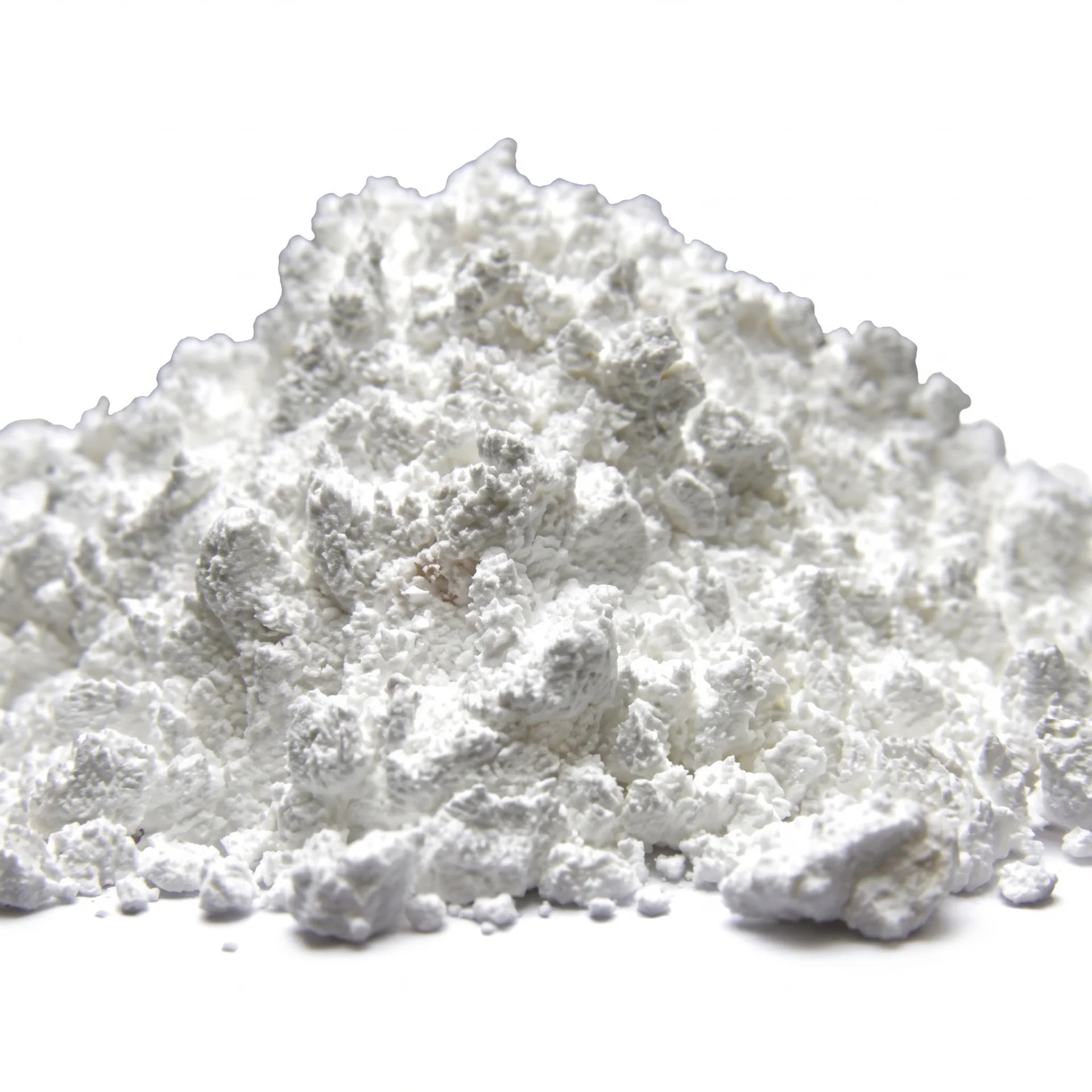
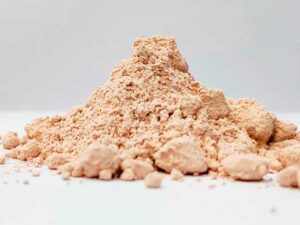
- Physical Form: Fine powder / granular residue / mixed crystalline fragments
- Color: Off-white to light gray crystalline material
- Particle Size: Variable (typically 50 µm – 2 mm depending on processing stage)
- Density: Approx. 4.2–4.6 g/cm³ (composition-dependent)
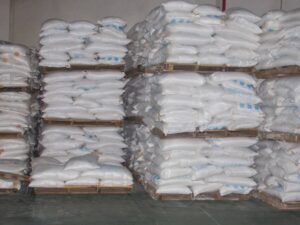
- Packaging Options: 25 kg sealed industrial drums or 500–1000 kg bulk bags (FIBC)
- Shelf Life: Stable under dry, inert storage conditions; recommended use within 24 months
- Core Industrial Applications
- Metallurgical Recovery: Extraction of lithium and niobium for reuse in high-purity refining streams
- Electronics Manufacturing Supply Chain: Feedstock for reprocessing into electronic-grade materials
- Photonics & Optoelectronics Industry: Supports upstream material recovery for lithium niobate crystal production cycles
- Specialty Ceramics & Advanced Materials: Used in compound regeneration and alloy formulation processes
- Commercial Advantage: Offers lower-cost raw input compared to virgin ore, while enabling efficient circular resource recovery and reduced dependency on primary mining outputs
- Competitive Advantages
- High Material Recovery Potential with consistent batch recoverability profiles
- Stable Supply Chain integration from controlled industrial production waste streams
- Optimized Logistics Handling with standardized bulk packaging for global shipping efficiency
- Cost Competitiveness versus primary mined lithium and niobium feedstocks
- Sustainability Benefits through circular economy utilization and waste reduction in advanced material manufacturing
- Technical Documentation & Support available for assay reports, composition analysis, and processing guidance
- Commercial & Supply Information
- Minimum Order Quantity (MOQ): 20 MT (BULK 20MT)
- Loading Capacity: 20–25 MT per 20ft container (depending on packaging configuration)

Reviews
There are no reviews yet.