
Description
1. Product Overview
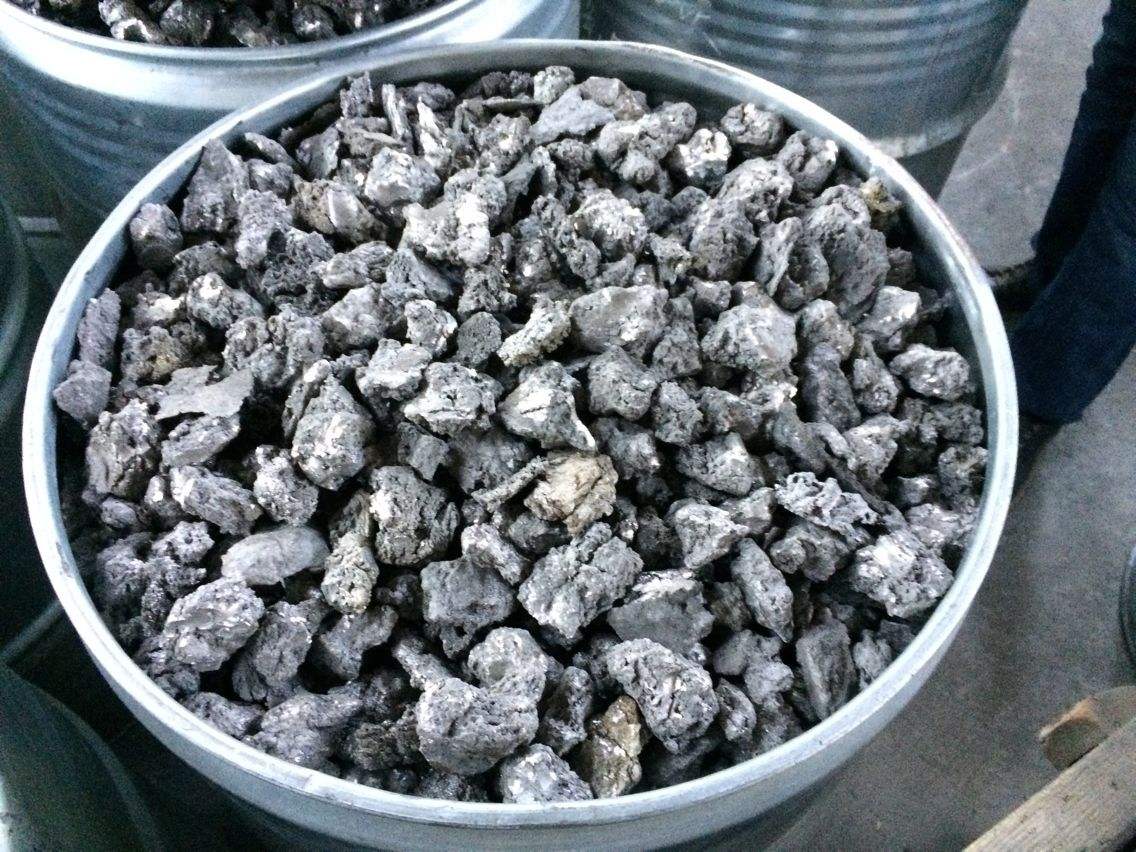
Titanium Alloy Residue is a high-value industrial by## 1. Product Overview Titanium Alloy Residue is a high-value industrial byproduct derived from advanced titanium alloy processing. It serves as a critical raw material for metallurgical recovery, additive manufacturing feedstock, and specialized alloy blending. Its strategic importance lies in enabling cost-efficient resource utilization, reducing waste, and supporting sustainable supply chains in aerospace, automotive, and energy sectors. For global buyers, it represents both a performance-driven input and a competitive sourcing advantage in high-demand titanium markets.
2. Key Specifications & Technical Characteristics
- Material composition: Predominantly titanium with alloying elements such as aluminum, vanadium, and trace metals.
- Purity grade: Industrial-grade residue with recoverable titanium content exceeding 85%.
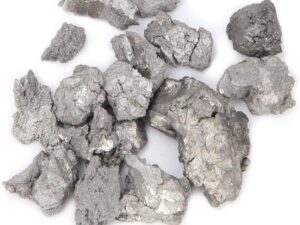
- Physical characteristics: Metallic residue; silver-gray coloration; variable particle size (powder, chips, or scrap); density ~4.4 g/cm³.
- Packaging options: Bulk bags, steel drums, or containerized loose loading.
- Shelf life: Stable under dry storage conditions; indefinite usability when properly contained.
3. Core Industrial Applications
- Aerospace: Re-melting for turbine components, airframe structures, and lightweight alloys.
- Automotive: Alloy blending for high-performance engine parts and lightweight chassis materials.
- Energy sector: Feedstock for corrosion-resistant components in power generation and offshore applications.
- Additive manufacturing: Powder conversion for 3D printing of precision parts.
- Performance edge: Compared to virgin titanium, residue offers cost efficiency, sustainability, and reliable metallurgical properties without compromising durability.
4. Competitive Advantages
- Quality consistency: Uniform alloy composition ensures predictable recovery yields.
- Supply reliability: Steady sourcing from established titanium processing facilities.
- Logistics capability: Global shipping capacity with containerized bulk handling.
- Price competitiveness: Lower cost compared to virgin titanium feedstock.
- Sustainability benefits: Supports circular economy by reducing waste and maximizing resource recovery.
- Technical support: Documentation and metallurgical analysis available for buyer assurance.
5. Commercial & Supply Information
- Minimum Order Quantity (MOQ): 20 MT bulk supply.
- Loading capacity: Approx. 20 MT per standard container.
Reviews
There are no reviews yet.