
Description
1. Product Overview
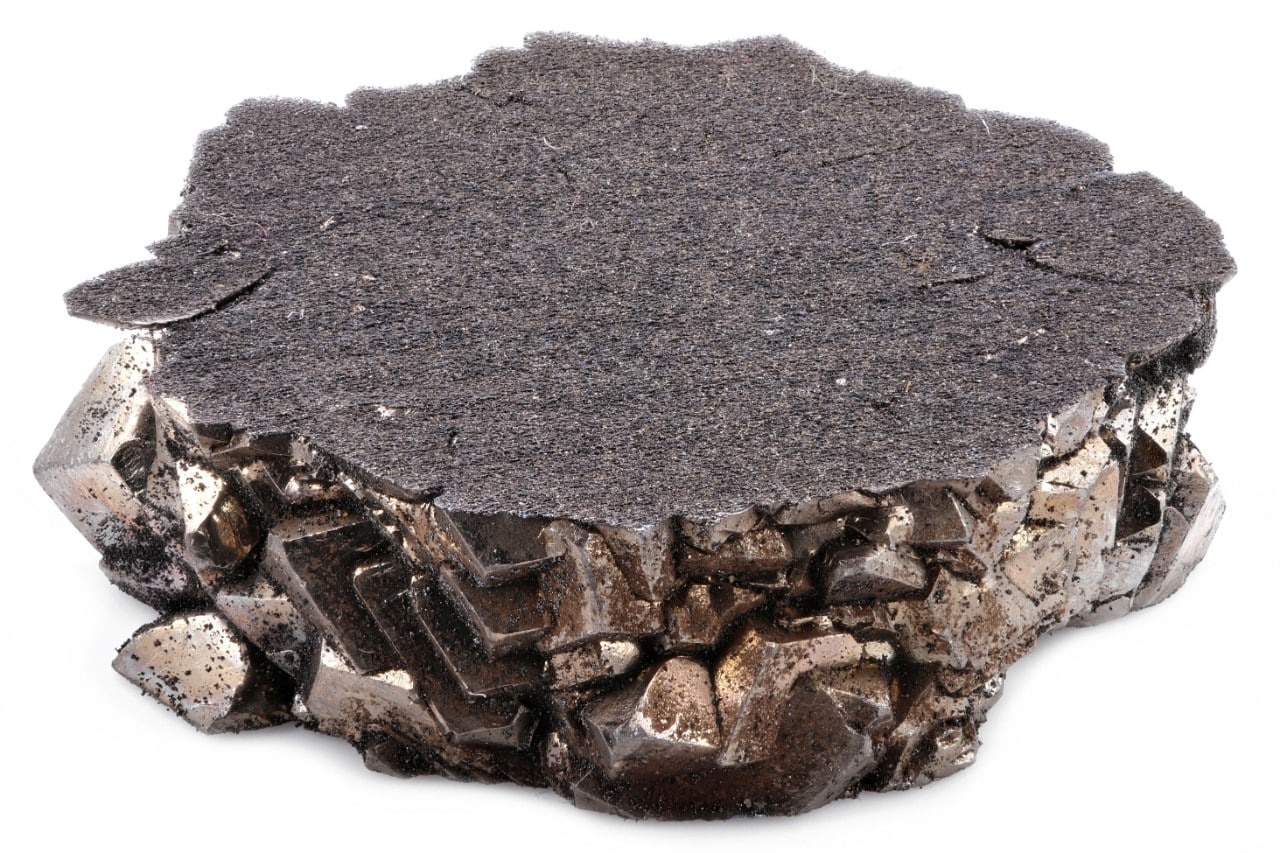
Zirconium Refining Slag is a high-density, co-product derived from the zirconium silicate beneficiation process, specifically engineered for secondary extraction and industrial abrasive applications. Its primary industrial use lies in serving as a cost-efficient feedstock for zirconium oxide production, ceramic frits, and high-performance blasting media. The key value proposition is its ability to deliver refractory-grade zirconia at 40–60% lower cost than primary zircon sand, making it a strategically critical material for industries seeking to optimize raw material spend without compromising thermal or mechanical performance.
2. Key Specifications & Technical Characteristics
-
Chemical Composition: ZrO₂ + HfO₂: 18–32% (typical); SiO₂: 55–70%; Al₂O₃ + TiO₂: 2–6%; Fe₂O₃: <1.5%
-
Purity Level: Technical grade / Secondary refining grade (not suitable for nuclear or optical-grade applications)
-
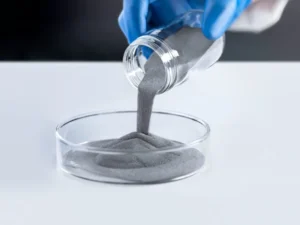
Physical Form: Irregular granular to fine powder (fused and crushed morphology)
-
Color: Light tan to medium grey
-
Particle Size Distribution: 0–5 mm bulk fraction (customizable: 0–1 mm, 1–3 mm, or 3–5 mm upon request)
-
Bulk Density: 2.2 – 2.6 g/cm³
-
Packaging Options: 1 MT big bags (woven polypropylene with inner liner) or 25 kg multilayer paper bags on shrink-wrapped pallets
-
Shelf Life: Unlimited when stored in dry, covered conditions (avoid moisture absorption >1% to prevent clumping)
3. Core Industrial Applications
-
Primary Industries: Refractory manufacturing, ceramic tile production, foundry coatings, and abrasive blasting.
-
Specific Use Cases:
-
Ceramic frits & glazes: Provides opacification and thermal stability at lower dosage than virgin zircon flour.
-
Blasting media for surface preparation: Removes rust, mill scale, and coatings from steel and concrete with lower dust generation than coal slag.
-
Refractory castables & bricks: Extends service life in ladle and tundish linings due to controlled zirconia enrichment.
-
-
Why It Performs Better: Lower free silica content than river sand or garnet alternatives; higher melting point (~1850°C) than alumina or silicon carbide substitutes; and consistent angular particle morphology ensures faster cutting rates in abrasive applications.
4. Competitive Advantages
-
Quality Consistency: Lot-to-lot chemical control via XRF analysis; typical variation <2% ZrO₂ across 10,000 MT shipments.
-
Supply Reliability: Year-round availability from integrated refining operations; lead time 15–20 days from order to loading.
-
Logistics Capability: FOB or CIF terms from major ports (Rotterdam, Durban, Shanghai, Houston) with real-time tracking via digital freight platform.
-
Price Competitiveness: 35–50% lower per unit ZrO₂ equivalent versus zircon sand (based on Q3 2026 indices).
-
Sustainability Benefits: 100% recovered industrial co-product (zero mining tailings); supports circular economy goals and reduces Scope 3 emissions for buyers.
-
Technical Support: Includes Certificate of Analysis (CoA), SDS, and optional on-site usage optimization consulting from metallurgical engineers.
5. Commercial & Supply Information
-
Minimum Order Quantity (MOQ): 20 MT (one bulk lot)
-
Bulk Loading Capacity: 20 MT per 20-foot dry container (standard) OR 25 MT per 20-foot container with palletized big bags (density optimized)
-
Payment Terms: LC at sight or 30% TT advance + 70% against BL copy
-
Incoterms Offered: EXW, FOB, CFR, CIF
-
Lead Time: 15 days for MOQ, 25 days for full container load (FCL) quantities above 100 MT
Reviews
There are no reviews yet.