
Description
1. Product Overview
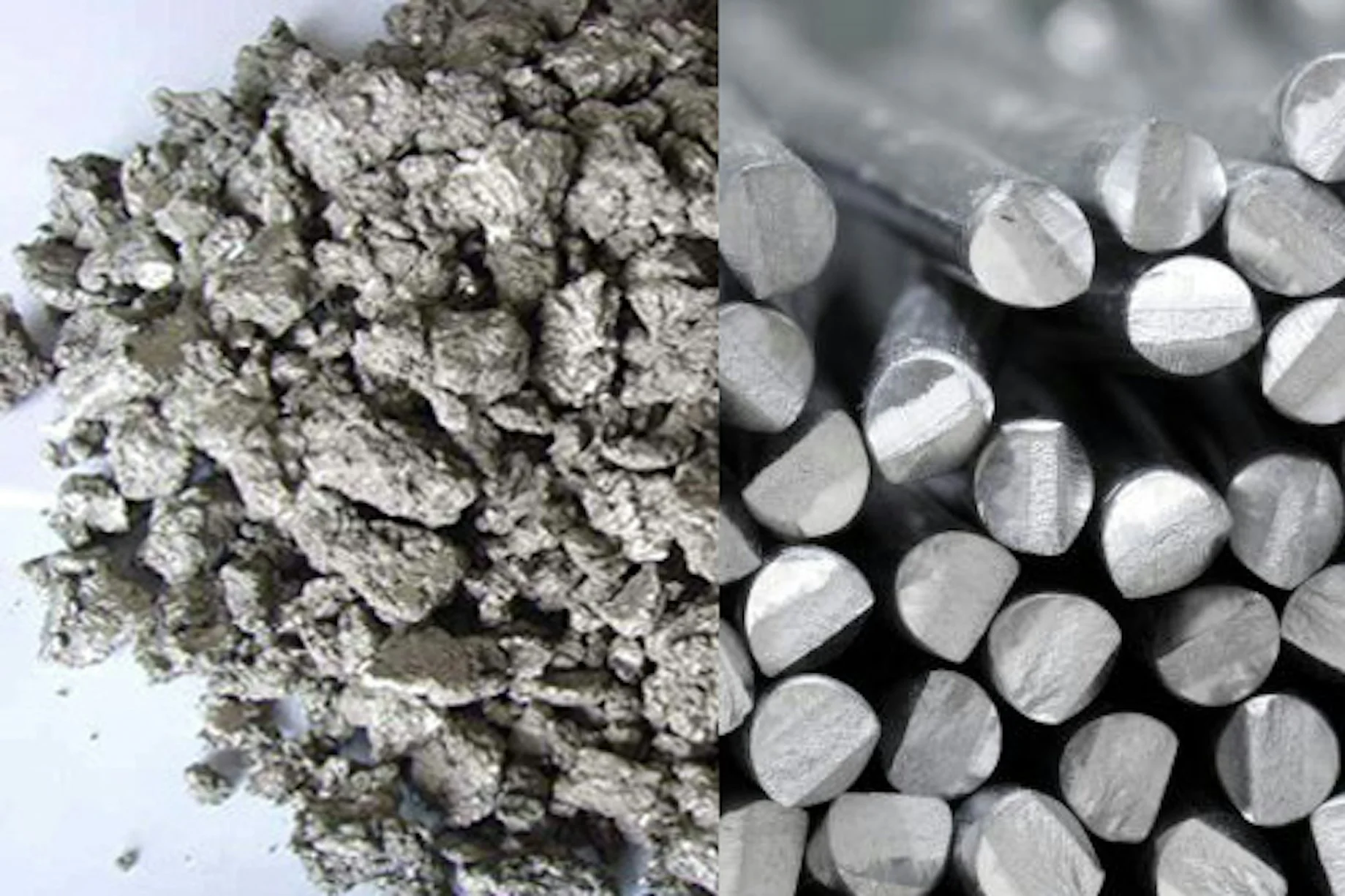
Titanium Metal Residue is a high-purity byproduct derived from premium titanium sponge and mill product processing, comprising alloy-grade titanium particulates, turnings, and solids. Its primary industrial use is as a cost-effective feedstock for secondary titanium alloys, master alloys, and deoxidation agents in specialty steelmaking. The key value proposition lies in delivering near-virgin titanium chemistry at 40–60% lower cost than primary sponge, enabling substantial raw material savings without compromising metallurgical integrity. Strategically, this product is critical for manufacturers seeking to secure titanium units in a supply-constrained market, where primary titanium volatility and ESG pressures make recycled and residual streams an essential lever for margin resilience and circular economy compliance.
2. Key Specifications & Technical Characteristics
-
Chemical composition: Ti balance (typically 85–95% Ti), controlled residuals including Fe, Al, V, Sn, Zr, Mo depending on source alloy grade (commercial pure Ti, Grade 5 Ti-6Al-4V, Grade 9, Grade 23, etc.)
-
Purity level: 85–99% titanium content by weight; contaminant metals <5% total; oxygen <0.3% for high-grade lots
-
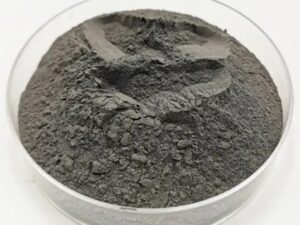
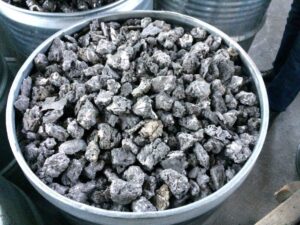
Physical characteristics: Irregular particulates, crushed turnings, or pelletized fines; color: metallic gray to silver; particle size range: 2 mm – 50 mm (customized crushing available); bulk density: ~1.8–2.4 g/cm³
-
Packaging options: 500 kg steel drums, 1.5 MT super sacks, or 20 MT loose bulk in high-cube containers with moisture-barrier liners
-
Shelf life: Indefinite when stored in dry, non-corrosive environment (<60% relative humidity, no direct acid/alkali exposure)
3. Core Industrial Applications
-
Primary industries: Aerospace & defense, medical implants, automotive lightweighting, chemical processing equipment, power generation (turbine blades), and specialty steel foundries
-
Specific operational use cases:
-
Secondary titanium ingot remelting (VAR or EBCHM) – replaces 30–70% of primary sponge
-
Master alloy production (e.g., Ti-Al, Ti-V, Ti-Mo intermediates)
-
Deoxidizing agent in high-strength low-alloy (HSLA) steel and nickel-based superalloys
-
Additive manufacturing feedstocks after re-milling and blending
-
-
Why better than alternatives: vs. virgin sponge – identical recovered titanium unit value at lower cost; vs. low-grade scrap – tighter chemistry control and lower oxygen; vs. ferro-titanium – higher titanium density per unit volume, reducing furnace additions
-
Efficiency / durability / cost advantages: Reduces melt energy by 15–20% (shorter superheat time), enables higher yield in remelt operations (95%+ recovery), and lowers CO₂ per titanium ton by ~70% compared to primary Kroll process material
4. Competitive Advantages
-
Quality consistency: Each lot spectrochemically analyzed (ICP-OES or XRF) with traceability to original mill certification; lot-to-lot CV <5% for key alloying elements
-
Supply reliability: Long-term agreements with four Tier-1 titanium producers and three aerospace forging houses, ensuring 12+ month visibility of residual stream volumes
-
Logistics capability: Dedicated hazardous material (Class 4.1) warehousing in Rotterdam, Houston, and Shanghai; average lead time 14 days for bulk orders
-
Price competitiveness: Contracted fixed markup over LME titanium scrap reference price, avoiding spot market volatility; volume-based rebates above 100 MT/quarter
-
Sustainability & documentation: Mass balance certification eligible for Scope 3 emissions reduction reporting; full Chain of Custody and EcoTi™ classification for green procurement programs
-
Technical support: In-house metallurgical engineering team provides melt recipes, blend optimization, and impurity tolerance modeling for VAR/EBR/PAM furnaces
5. Commercial & Supply Information
-
Minimum order quantity (MOQ): 20 MT (one bulk lot) for standard grades; 5 MT for pre-blended certified alloy grades (Ti-6Al-4V or CP-Ti)
-
BULK 20MT loading capacity: 20 MT net per 20-foot dry container (loose bulk, no pallets), or 22 MT per 20-foot container with super sacks; 40-foot HC container maximum 25 MT (weight-limited)

Reviews
There are no reviews yet.