
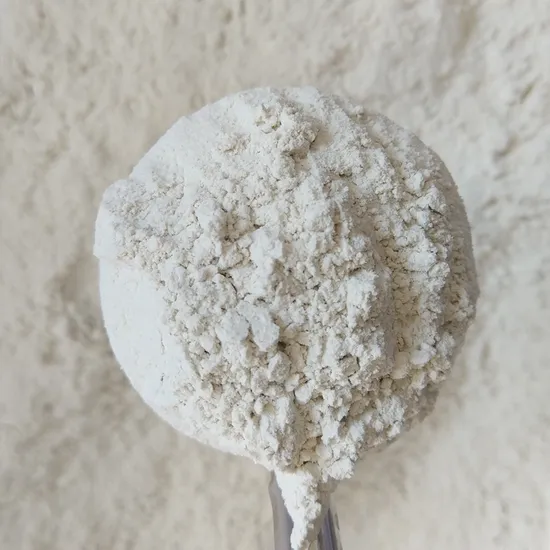
Description
1. Product Overview
Organonickel Residue is a high-value secondary material recovered from industrial nickel-catalyzed processes, containing organically bound nickel compounds and metallic nickel fines. Its primary industrial use is as a cost-effective feedstock for nickel recovery, specialty alloy production, and catalyst manufacturing. The key value proposition lies in delivering verified nickel content at a significant discount to primary nickel, enabling smelters and chemical processors to reduce input costs while securing supply. It is strategically important in the market as global demand for nickel intensifies for stainless steel, batteries, and catalysts, while primary supply remains constrained and ESG pressures favor circular economy inputs.
2. Key Specifications & Technical Characteristics
- Chemical Composition: 8-22% total Ni content (typical range), primarily as nickel carboxylates, nickel complexes, and residual metallic Ni; Balance: organic matrix, trace Al, Fe, Co, Si, S <1.5%
- Purity Level / Grade: Industrial/Recovery Grade; Ni assay provided per lot with third-party lab certificate
- Physical Characteristics:
- Form: Viscous sludge to semi-solid cake, particle size <500µm after drying
- Color: Dark green to black
- Bulk Density: 1.1-1.4 g/cm³ as-received
- Moisture: 15-35% w/w, adjustable by pre-drying
- Packaging Options: 1 MT UN-rated woven PP jumbo bags with PE liner, 200L steel drums, or bulk tanker for dewatered material
- Shelf Life: 12 months when stored in sealed packaging, cool/dry conditions, away from oxidizers
3. Core Industrial Applications
- Primary Industries: Secondary nickel smelters, stainless steel mills, catalyst manufacturers, battery precursor producers, specialty chemicals
- Specific Operational Use Cases:
- Direct feed to rotary kiln or electric arc furnace for Ni matte production
- Hydrometallurgical leaching to produce nickel sulfate for EV battery cathodes
- Raw material for regeneration of spent hydrogenation catalysts
- Why It Performs Better Than Alternatives: Lower acquisition cost vs. Ni briquettes or powder by 25-40% on contained Ni basis; established processing pathways in existing smelter/refinery infrastructure
- Efficiency, Durability, or Cost Advantages: Reduces reliance on LME-priced virgin nickel; improves ESG metrics through waste valorization; consistent bulk availability from petrochemical sector sources
4. Competitive Advantages
- Quality Consistency: Every lot is sampled, assayed, and documented with ICP-OES analysis; CoA and SDS provided; batch traceability to source plant
- Supply Reliability: Aggregated from multiple qualified generators under long-term contracts; 500-1,000 MT monthly availability
- Logistics Capability: Global shipping from major ports; DG-compliant documentation, UN3077 Class 9 when applicable; experienced in Basel Convention paperwork
- Price Competitiveness: Priced on Ni content % basis against LME Ni, with discounts reflecting processing requirements
- Sustainability or Environmental Benefits: Diverts hazardous waste from landfill; supports Scope 3 emissions reduction for buyers; aligns with ISO 14001 supply chains
- Technical Support or Documentation Availability: Dedicated metallurgist support for trial runs; full SDS, TDS, process compatibility reports; samples available pre-shipment
5. Commercial & Supply Information
- Minimum Order Quantity (MOQ): BULK 20MT
- Loading Capacity (MT per container): 18-20MT per 20′ FCL depending on moisture and packaging
Reviews
There are no reviews yet.