
Description
1. Product Overview
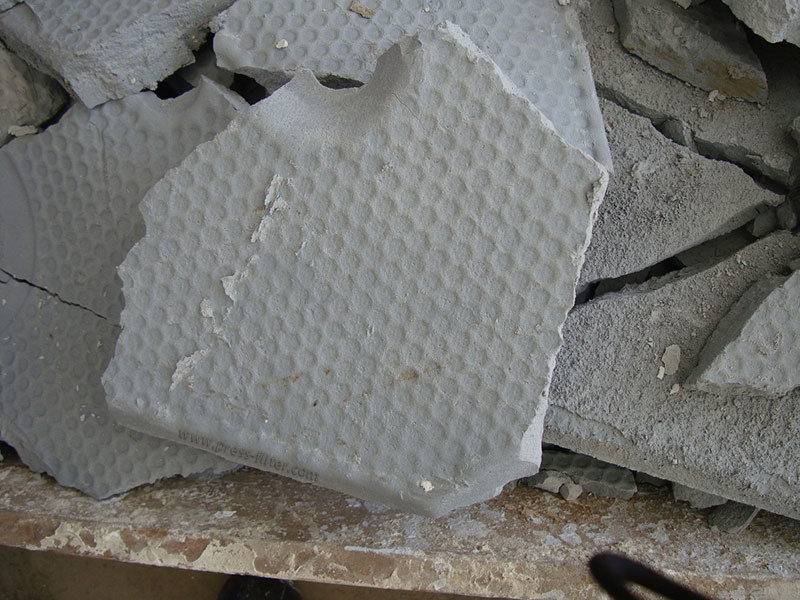
PGMs Filter Cake is a high-value intermediate concentrate containing Platinum Group Metals recovered from spent automotive catalysts and industrial process streams. Its primary industrial use is as a direct feedstock for PGM refineries and smelters to produce pure platinum, palladium, rhodium, and other precious metals. The key value proposition is consistent, assay-verified metal content that accelerates refining cycles and improves yield predictability for end users. It is strategically important in the market as global decarbonization and tightening emissions standards drive sustained demand for PGMs while primary mine supply remains constrained.
2. Key Specifications & Technical Characteristics
- Chemical Composition / Material Components: Filter cake of Platinum Group Metals. Typical assays: Pt 8–25%, Pd 12–35%, Rh 2–8%, with trace Ru, Ir, Os. Base metals <5% including Al, Si, Fe, Ce, Zr from catalyst substrate
- Purity Level / Grade: Industrial concentrate grade. Total PGM content 25–65% on dry basis. Moisture content 15–30% w/w
- Physical Characteristics:
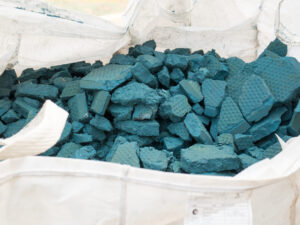
- Form: Wet filter cake, dewatered solid
- Color: Dark grey to black
- Particle Size: D50 10–50 microns, free of oversize agglomerates
- Bulk Density: 1.2–1.8 g/cm³ wet basis
- Packaging Options: 1 MT woven PP big bags with inner PE liner, palletized. 20 MT per 20ft container. Custom packaging available for smelter requirements
- Shelf Life: Chemically stable. No degradation under proper storage. Recommend processing within 12 months to minimize moisture variance
3. Core Industrial Applications
- Primary Industries: PGM refineries, precious metal smelters, chemical catalyst manufacturers, secondary metal recyclers
- Specific Operational Use Cases:
- Direct smelting feed for production of 99.95%+ pure Pt, Pd, Rh sponge or ingot
- Toll refining input for automotive OEM closed-loop catalyst programs
- Raw material for PGM chemical salts used in pharmaceuticals, electronics, and glass manufacturing
- Why This Product Performs Better: Pre-processed to remove bulk ceramic substrate, reducing smelter flux consumption and energy use by 18–22% vs. unprocessed spent catalyst. Homogenized batches ensure consistent melt chemistry
- Efficiency, Durability, or Cost Advantages: Higher PGM concentration lowers logistics cost per troy ounce. Consistent moisture and particle size reduce handling losses and improve furnace throughput. Full traceability meets LBMA/LPPM compliance needs
4. Competitive Advantages
- Quality Consistency: Every lot blended and sampled per ISO 12743. Independent umpire assay by SGS/AHM available. <2% variance in PGM content lot-to-lot
- Supply Reliability: Established collection network across EU, US, and Asia. Contracted volume 50–150 MT/month with 12-month rolling forecasts accepted
- Logistics Capability: Licensed for Class 9 hazardous goods. Global shipping with full MSDS, TREM cards, and Basel Convention documentation. CIF delivery to major refining hubs: Antwerp, Hanau, Tokyo, Spartanburg
- Price Competitiveness: Settlement based on LME/LPPM fixing less refining charge. Transparent TC/RC model. Volume discounts above 40 MT
- Sustainability / Environmental Benefits: 100% recycled source material. Carbon footprint 92% lower than primary mined PGMs. Compliant with EU Critical Raw Materials Act and US IRA sourcing requirements
- Technical Support / Documentation: Full COA, radioactivity certificate, chain of custody, and process compatibility data provided. Dedicated metallurgical support for smelter trials
5. Commercial & Supply Information
- Minimum Order Quantity (MOQ): BULK 20MT
- Loading Capacity (MT per container): 20 MT per 20ft container

Reviews
There are no reviews yet.