
Description
1. Product Overview
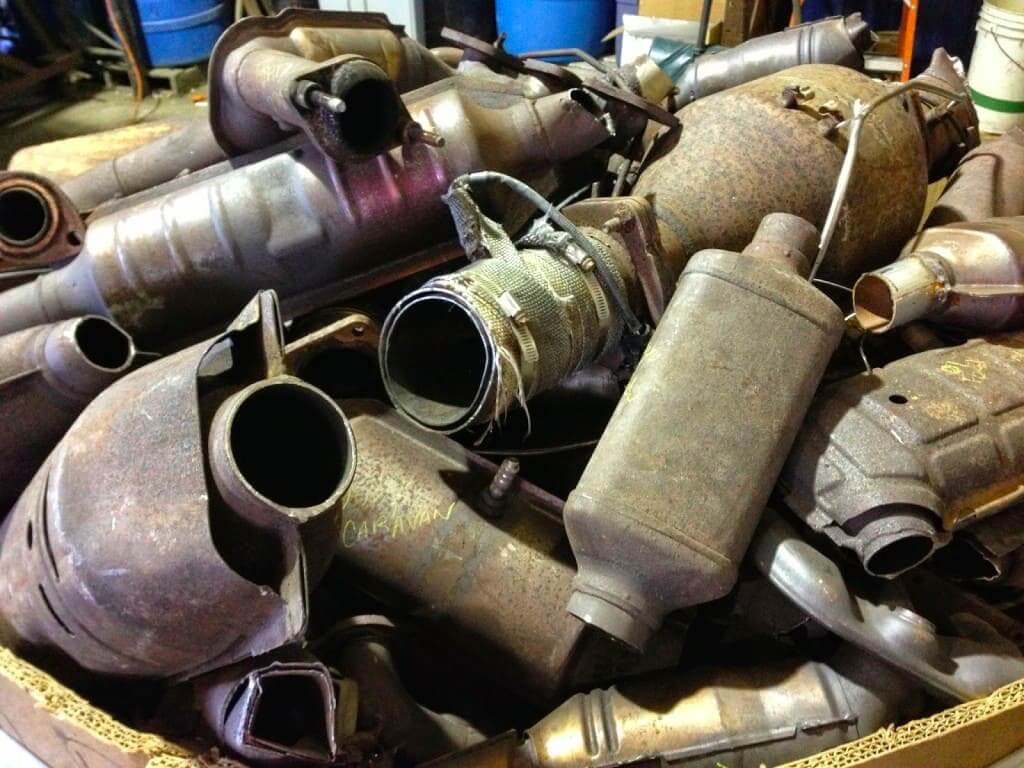
Spent Autocatalyst Dust (PGM) is a high-value secondary raw material recovered from end-of-life automotive catalytic converters. Its primary industrial use is as a feedstock for platinum group metal refiners to extract platinum, palladium, and rhodium for reuse in catalysts, electronics, and specialty alloys. The key value proposition lies in delivering verified PGM content at significantly lower cost and environmental footprint compared to primary mining. This material is strategically important as global automotive electrification, tightening emissions standards, and supply security concerns drive sustained demand for recycled PGMs in the circular economy.
2. Key Specifications & Technical Characteristics
- Chemical composition: Platinum group metals (Pt, Pd, Rh) hosted in a ceramic matrix of cordierite or metallic substrate residues, with typical combined PGM grades ranging 500–3000 g/MT depending on source. Base elements include Al2O3, SiO2, CeO2, ZrO2, and trace Fe, Ni, Pb.
- Purity level or grade: Pre-processed and homogenized. Assay-based pricing with independent umpire analysis available. Typical moisture content below 1.5%.
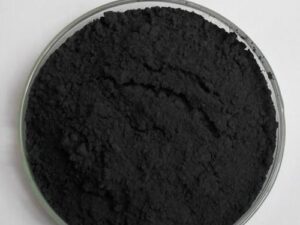
- Physical characteristics: Fine powder to granular dust. Color varies from light gray to dark brown. Particle size typically 80% passing 2 mm after milling. Bulk density 1.2–1.6 g/cm3. Low organic and metallic contamination.
- Packaging options: 1 MT bulk bags with inner PE liner, palletized and stretch-wrapped. 20 kg or 25 kg bags available for sample lots. Steel drums upon request.
- Shelf life: Indefinite when stored in dry, covered conditions. Material is chemically stable and non-reactive under standard storage.
3. Core Industrial Applications
- Primary industries: PGM refining and smelting, precious metals recycling, chemical catalyst manufacturing, electronics, and specialty alloy production.
- Specific operational use cases: Feed for pyrometallurgical and hydrometallurgical refineries to recover Pt, Pd, and Rh. Source material for manufacturing new automotive and industrial catalysts. Input for sputtering targets and electrochemical applications.
- Performance versus alternatives: Recycled autocatalyst dust delivers 85–95% lower CO2 emissions per ounce of PGM versus primary mine production. Faster turnaround from sourcing to refined metal compared to new mining projects.
- Efficiency, durability, or cost advantages: Lower working capital requirement due to shorter supply chain. Reduces reliance on geopolitically concentrated primary PGM supply. Consistent homogenization ensures predictable smelter recovery rates and lower penalty charges.
4. Competitive Advantages
- Quality consistency: Every lot is dried, milled, blended, and representatively sampled to ISO 12743 standards. Full certificates of analysis and material traceability provided.
- Supply reliability: Aggregated sourcing from audited collection networks across North America, EU, and Asia. Contracted monthly volumes available up to 100 MT.
- Logistics capability: EXW, FOB, and CIF terms available. Pre-shipment inspection, container loading supervision, and Basel Convention compliant documentation handled in-house.
- Price competitiveness: Transparent pricing linked to daily LBMA Pt/Pd/Rh benchmarks less treatment and refining charges. Volume-based terms for long-term offtake.
- Sustainability or environmental benefits: 100% recycled source supporting Scope 3 emissions reduction and ESG reporting. Compliant with EU Waste Shipment Regulation and OECD guidelines.
- Technical support or documentation availability: Full SDS, assay reports, radiation certificates, and export paperwork provided. Dedicated metallurgical support for yield optimization.
5. Commercial & Supply Information
- Minimum order quantity (MOQ): BULK 20MT
- Loading capacity (MT per container): 20MT per 20ft FCL
Reviews
There are no reviews yet.