
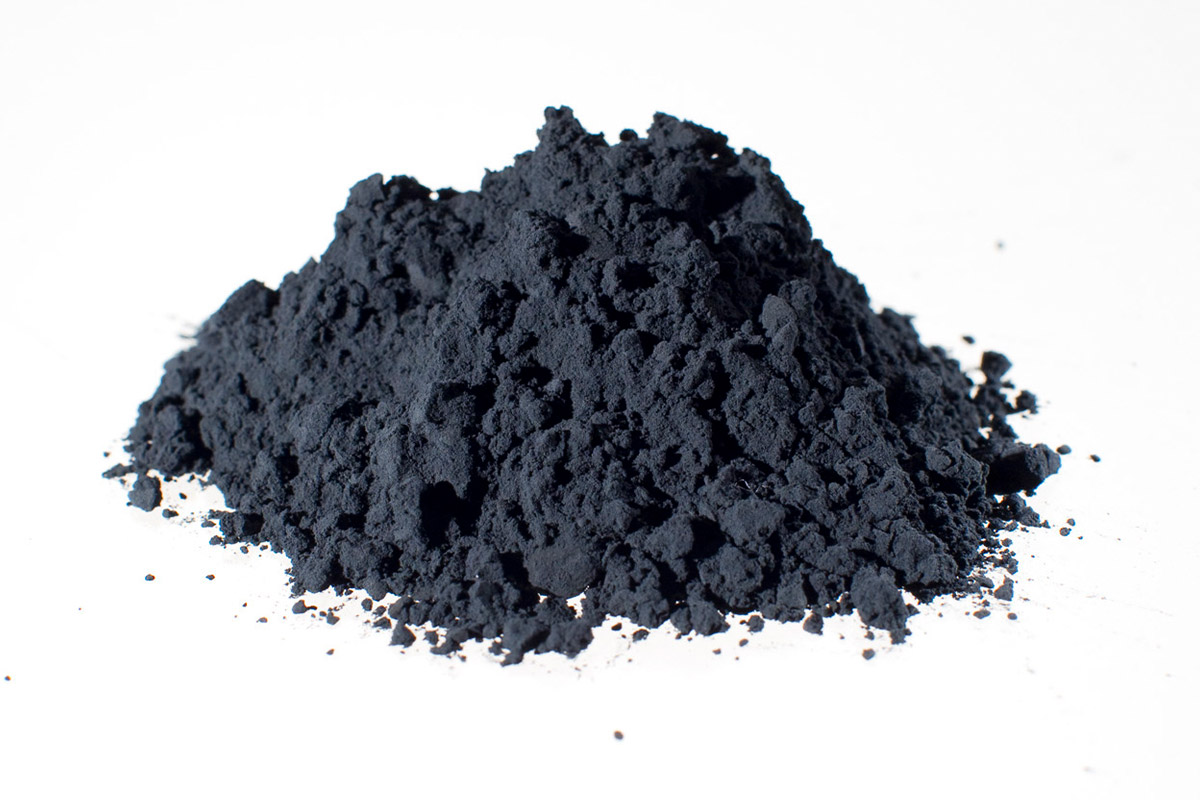
Description
1. Product Overview
Lithium Nickel Cobalt Aluminum (NCA) Scrap is a high-value secondary raw material recovered from end-of-life lithium-ion battery cells and manufacturing off-spec. Its primary industrial use is as a direct feedstock for battery recycling, hydrometallurgical refining, and precursor cathode active material (pCAM) production. The key value proposition lies in its high concentration of critical battery metals — lithium, nickel, cobalt, and aluminum — enabling lower-cost, lower-carbon metal recovery versus virgin mining. With global EV and energy storage demand intensifying pressure on primary supply chains, NCA scrap is strategically important for securing circular, ESG-compliant, and cost-effective access to Tier-1 battery metals.
2. Key Specifications & Technical Characteristics
- Chemical Composition: Typical metal content Ni 45–50%, Co 8–12%, Al 1–3%, Li 6–8%, trace Cu <0.5%, Fe <0.3%, Mn <0.5%. Balance oxygen, carbon binder, and electrolyte residues. Exact assays provided per lot.
- Purity Level / Grade: Battery-grade recycling feedstock. Metallic impurities controlled to meet downstream hydromet leach standards. Moisture content <3%.
- Physical Characteristics:
- Form: Shredded black mass, electrode foils, or crushed cell fragments
- Color: Black to dark grey powder with metallic flakes
- Particle Size: D50 50–500 microns for black mass; foil cuts 5–20mm
- Bulk Density: 0.8–1.4 g/cm³ depending on form
- Packaging Options: 1MT jumbo bags with PE liner on pallets, 20–25kg drums, or bulk super sacks. UN-rated packaging available for hazardous material shipment.
- Shelf Life: Chemically stable when stored dry. Recommended use within 12 months to minimize oxidation and moisture uptake.
3. Core Industrial Applications
- Primary Industries: Lithium-ion battery recycling, cathode material manufacturing, metal refining, and specialty alloy production.
- Specific Operational Use Cases: Direct feed for hydrometallurgical leach circuits to recover Li, Ni, and Co sulfate; pyrometallurgical smelting for mixed alloy; precursor synthesis for new NCA/NMC cathode production.
- Why It Performs Better Than Alternatives: Compared to virgin ore, NCA scrap has significantly higher Ni+Co concentration and requires 60–75% less energy to process. Versus mixed battery scrap, NCA chemistry offers superior yield predictability and cobalt content.
- Efficiency, Durability, Cost Advantages: Reduces raw material cost by 20–40% versus primary metals, shortens refining cycles due to existing metal liberation, lowers Scope 3 emissions for cathode producers, and provides supply chain resilience against mine-side disruptions.
4. Competitive Advantages
- Quality Consistency: Batch-tested with ICP-OES assay and CoA provided. Material sourced from automotive-grade cell production for uniform chemistry.
- Supply Reliability: Established collection network with OEM and gigafactory partners ensuring multi-hundred MT monthly availability under annual contracts.
- Logistics Capability: Global export compliance with Basel Convention, IMDG Class 9, and IATA documentation. Pre-cleared shipping lanes to EU, US, KR, and CN.
- Price Competitiveness: Indexed to LME Ni/Co + payables structure. Flexible pricing on spot or 6–12 month terms, delivering 15–30% savings vs. primary metal equivalents.
- Sustainability Benefits: Enables >95% metal recovery rate, reduces CO2 footprint by up to 70% vs. virgin, and supports battery passport and IRMA/CIRAF compliance.
- Technical Support: Full SDS, TDS, UN38.3 test summaries, and recycling mass-balance documentation. Dedicated metallurgical support for process integration.
5. Commercial & Supply Information
- Minimum Order Quantity (MOQ): BULK 20MT
- Loading Capacity: 20MT per 20ft container

Reviews
There are no reviews yet.