
Description
1. Product Overview
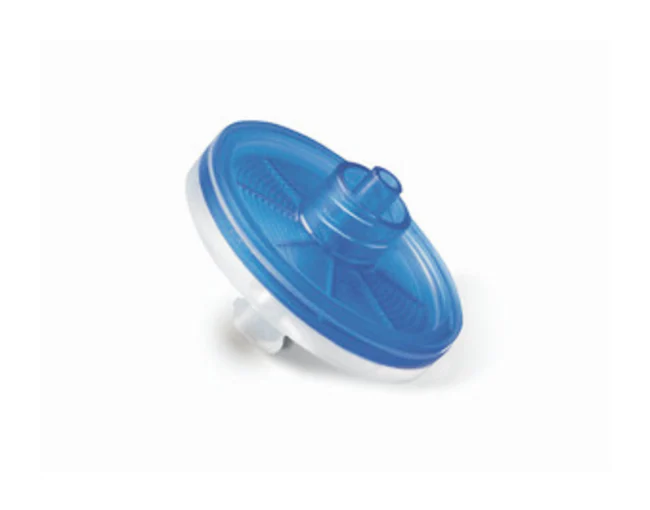
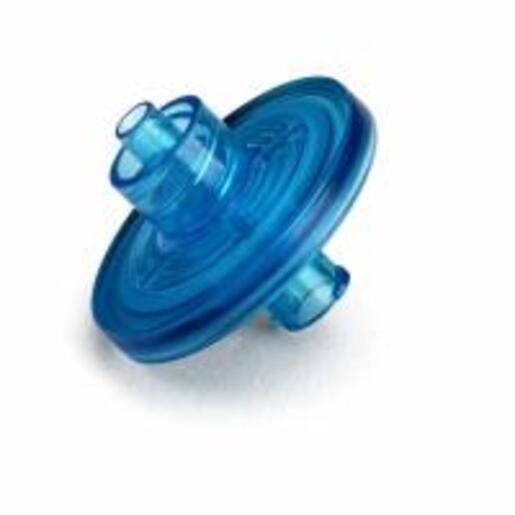
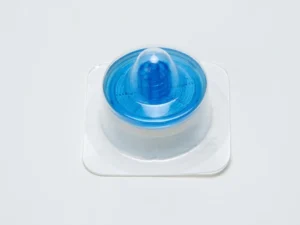
The 0.2 µm syringe filter is a sterile, single-use membrane filtration device engineered for critical point-of-use liquid and gas clarification in regulated environments. Its primary industrial use is the removal of bacteria, particulates, and colloidal contaminants from small-volume samples prior to HPLC, GC, sterile filling, and cell culture applications. The key value proposition lies in its validated microbial retention, low extractables, and superior flow rates that reduce processing time while ensuring product integrity. It is strategically important in the market because consistent sub-micron filtration is non-negotiable for GMP compliance, quality control, and protecting high-value downstream equipment across pharmaceutical, biotech, and laboratory sectors.
2. Key Specifications & Technical Characteristics
- Chemical composition or material components: Hydrophilic PES, Nylon, PTFE, PVDF, or MCE membrane; medical-grade polypropylene housing; no wetting agents or adhesives
- Purity level or grade: Sterile, non-pyrogenic, endotoxin-free <0.25 EU/mL; DNAse/RNase-free; USP Class VI tested
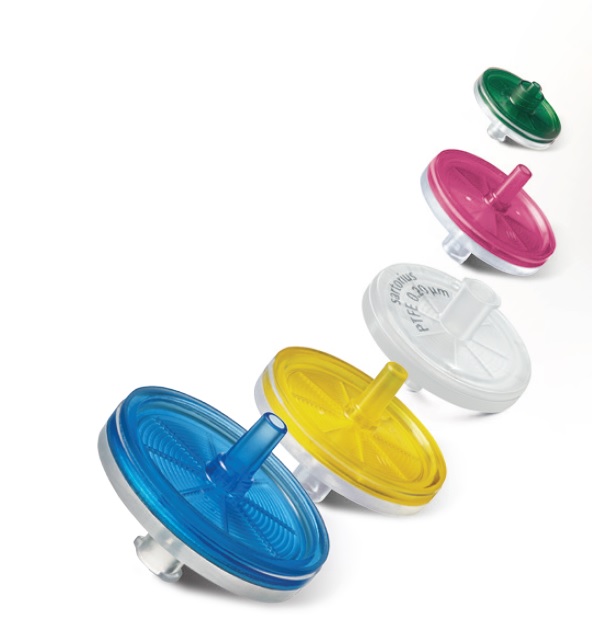
- Physical characteristics: 13 mm, 25 mm, 33 mm diameters; effective filtration area 1.0–4.5 cm²; pore size 0.2 µm ±0.02 µm; color-coded housing by membrane type; burst pressure >87 psi; hold-up volume <0.1 mL
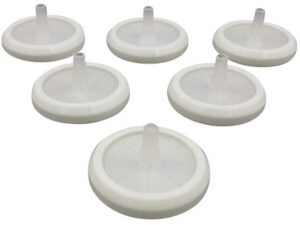
- Packaging options: Individually sealed blister packs; 50 pcs/box, 500 pcs/case; bulk non-sterile 1000 pcs/bag available; gamma-irradiated or EtO sterile options
- Shelf life: 5 years from date of manufacture when stored in original packaging at 10–30°C
3. Core Industrial Applications
- Primary industries: Pharmaceutical manufacturing, biopharmaceuticals, diagnostics, food & beverage QC, microelectronics, university & contract research labs
- Specific operational use cases: Sterile filtration of media and buffers, sample prep for HPLC/UPLC, venting of sterile containers, clarification of protein solutions, removal of bacteria from biological fluids, air/gas sterilization
- Why this product performs better than alternatives: Hydrophilic membranes eliminate pre-wetting steps versus hydrophobic PTFE; low protein binding PES reduces sample loss compared to cellulose-based filters; consistent pore structure prevents breakthrough common in depth filters
- Efficiency, durability, or cost advantages: High flow rate reduces filtration time by 30–50% versus 0.22 µm mixed cellulose esters; luer-lock inlet/outlet prevents leakage and equipment damage; single-use design eliminates cross-contamination and cleaning validation costs
4. Competitive Advantages
- Quality consistency: 100% integrity tested and lot-to-lot bubble point validation; ISO 13485, ISO 9001, and cGMP certified manufacturing; full CoA and sterility certificates provided
- Supply reliability: Dedicated production lines with 10M pcs/month capacity; dual-source raw materials; 98.5% on-time delivery rate across 60+ countries
- Logistics capability: EXW, FOB, CIF, DDP Incoterms supported; IATA-compliant packaging for air freight; regional warehouses in US, EU, SG for 72-hour delivery
- Price competitiveness: Tiered pricing for contract manufacturing; 15–22% lower total cost vs. leading Western brands at equivalent validation levels
- Sustainability or environmental benefits: Recyclable PP housing; reduced packaging weight; optional solvent-free manufacturing line available
- Technical support or documentation availability: Full validation guide, extractables data, regulatory support dossier; dedicated application engineers for method development
5. Commercial & Supply Information
- Minimum order quantity (MOQ): BULK 20MT
- Loading capacity: 18 MT per 20ft container, 22 MT per 40ft container
Reviews
There are no reviews yet.