
Description
-
Product Overview
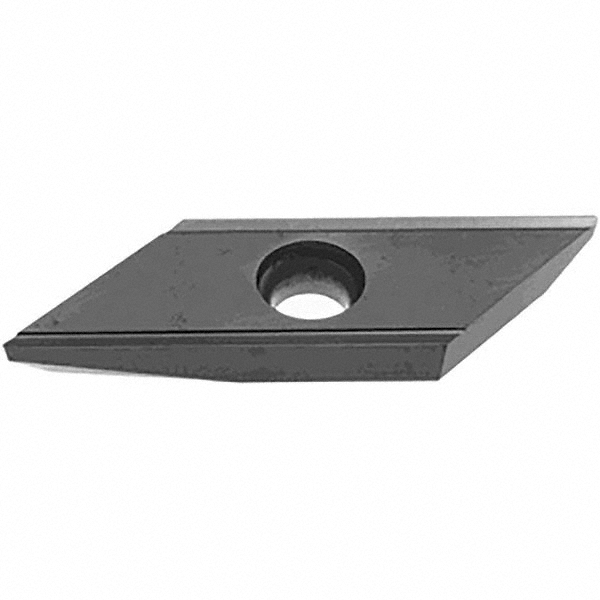
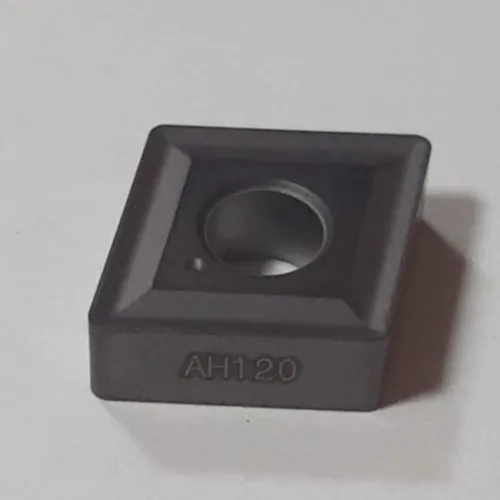
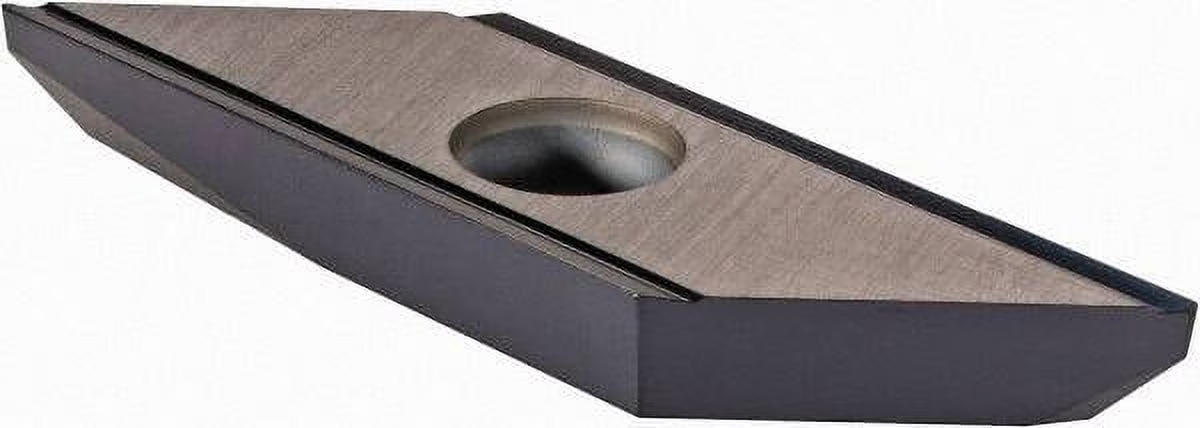
AH120 carbide insert grade is a premium cemented carbide formulation engineered for high-performance metal cutting and wear-resistant tooling. Designed for demanding turning, milling, and grooving operations, AH120 delivers superior edge strength and consistent toughness across a wide range of ferrous and non-ferrous machining conditions. Its key value proposition is a balanced combination of fracture resistance and hot-hardness that extends insert life, reduces tool-change frequency, and improves process stability. For industrial buyers, AH120 is strategically important as a drop-in upgrade that lowers per-part tooling cost while supporting higher spindle speeds and predictable production throughput.
-
Key Specifications & Technical Characteristics
-
Base material: Tungsten carbide (WC) with cobalt (Co) binder; engineered grain size and microstructure for optimized toughness.
-
Typical chemical composition: WC 86–92 wt%, Co binder 6–12 wt% (exact blend proprietary, available under NDA).
-
Carbide grain size: Medium-fine (approx. 0.6–1.5 µm average, product lot dependent).
-
Hardness: Rockwell A (HRA) typically in the high range for AH-type grades; usable hardness at elevated temperatures (consult datasheet for exact values).
-
Fracture toughness: Elevated KIC relative to competitive wear-focused grades (specific data available on request).
-
Thermal stability: Retains hardness at elevated cutting temperatures; suited for interrupted cuts and high feed rates.
-
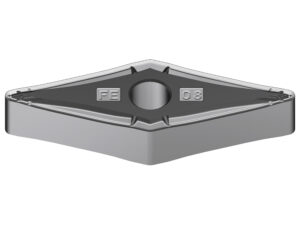
Physical form: Finished carbide inserts (standard geometries and sizes), ground and brazed as required by customer specification.
-
Surface condition: Controlled surface finish with oxide-free, stress-relieved edges; available with PVD or CVD coating options.
-
Color: Typical metallic grey to dark grey depending on coating.
-
Density: Typical bulk density consistent with cemented carbides (approx. 13.0–14.5 g/cm³).
-
Tolerances: Dimensional tolerances to industry standard ISO/ANSI for carbide inserts (custom tolerances available).
-
Packaging options: Bulk boxes (250–1,000 inserts per box), individual blister packs, wooden or export-grade corrugated cases; custom kitting available.
-
Shelf life: Indefinite for inert storage; recommended storage in dry, non-corrosive environment; best practice to use within 5 years for guaranteed traceability and warranty validity.
-
Traceability: Full lot and heat-number traceability with chemical and physical test certificates available per shipment.
-
Core Industrial Applications
-
Primary industries: Automotive, aerospace, heavy machinery, energy (oil & gas, power generation), precision engineering, and general metalworking subcontractors.
-
Specific operational use cases: High-speed turning, finish and semi-finish milling, grooving and parting, interrupted cuts in cast iron/steel, machining hardened steels (with appropriate coatings), and production runs requiring consistent edge life.
-
Performance vs alternatives: AH120’s blend of toughness and thermal stability reduces catastrophic chipping compared with ultra-hard, low-toughness grades, while delivering longer life and better dimensional stability than lower-cost general-purpose grades. This leads to fewer insert changes, reduced downtime, and lower scrap/rework rates.
-
Efficiency and cost advantages: Higher usable life per insert reduces tooling consumption and inventory SKUs; predictable wear rates enable tighter process control and higher machine uptime; suitable for both lows and high-volume production, improving overall cost per part.
-
Competitive Advantages
-
Quality consistency: Manufactured under controlled powder metallurgy and sintering processes, with in-line quality checks and batch certificates to ensure repeatable performance.
-
Supply reliability: Capacity-scalable production with safety-stock planning and multiple shipping lanes to support global B2B sourcing commitments.
-
Logistics capability: Export-ready packaging, containerized bulk handling, and options for consolidated shipments; ability to supply CIF/DDP terms upon agreement.
-
Price competitiveness: Positioned as a high-value-grade with aggressive price-per-life economics; volume pricing and long-term contract discounts available.
-
Sustainability: Optimized material utilization and controlled waste streams in manufacturing; available reclamation and recycling programs for carbide scrap on commercial agreement.
-
Technical support: Application engineering support, insert selection guides, cutting-parameter recommendations, and failure analysis services; datasheets and test reports provided with orders.
-
Documentation: Complete conformity documentation, material declarations, MSDS, and inspection certificates available for industrial procurement and quality audits.
-
Commercial & Supply Information
-
Minimum order quantity (MOQ): BULK 20MT.
-
Loading capacity (MT per container): Typical 20-foot container capacity for packaged inserts: up to 22–24 MT depending on packaging configuration; 40-foot container: up to 24–28 MT. Final loading figures confirmed per order based on selected packaging and palletization.
-
Delivery terms: FOB, CIF, or DDP options available; lead times depend on order size and agreed stock allocation (standard lead time 4–8 weeks for bulk production; expedited options possible).
-
Payment and contracts: Commercial terms, volume pricing, and long-term supply agreements available on negotiation; warranty and acceptance testing terms outlined in sales contract.
Reviews
There are no reviews yet.