
Description
-
Product Overview
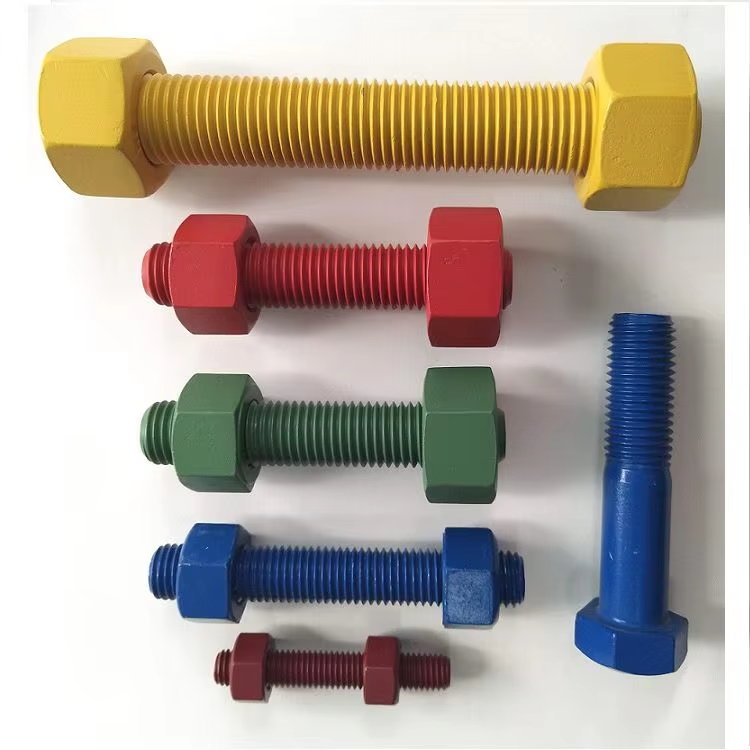
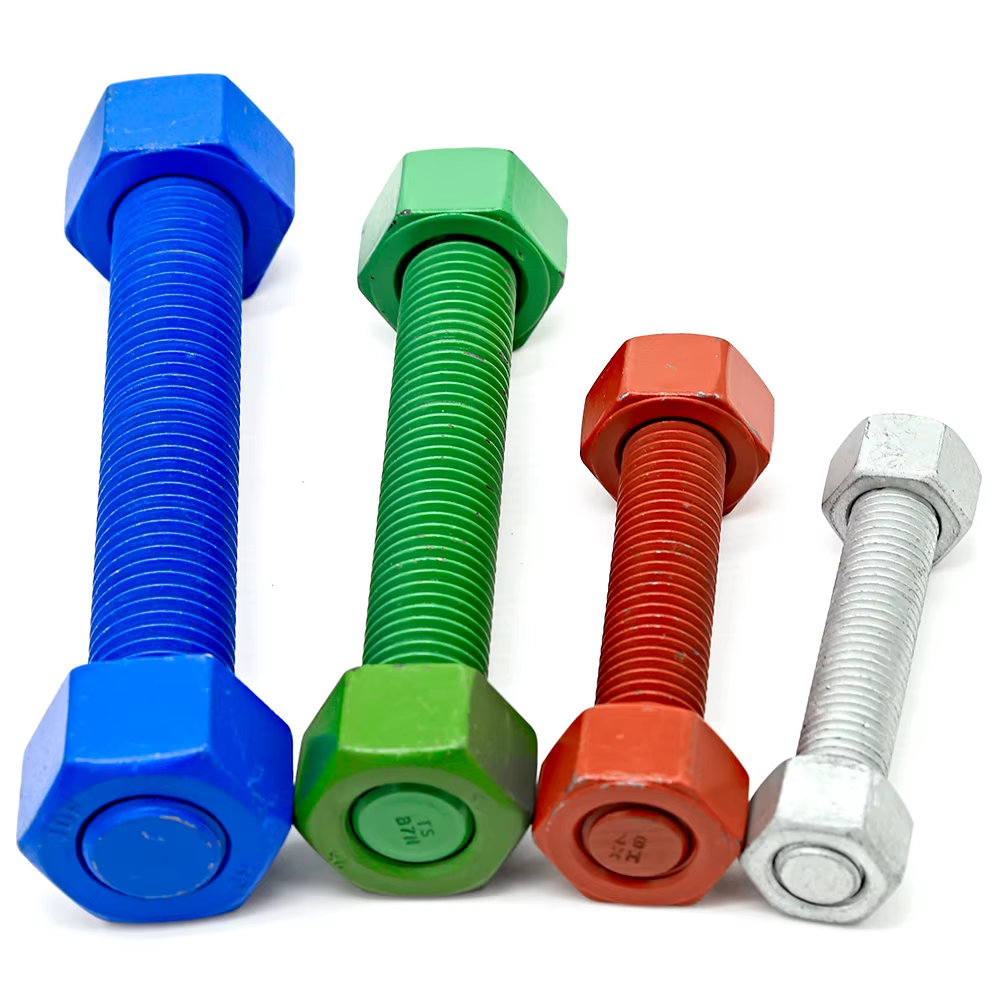
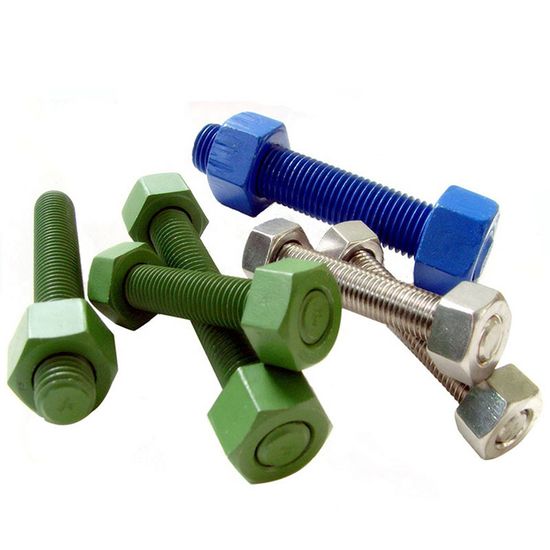
ASTM A320 L7 stud bolts low temperature are high-strength alloy steel fasteners engineered for critical low-temperature applications in pressure-retaining systems. They are specified to ASTM A320 Grade L7, manufactured and heat-treated to deliver reliable tensile strength, toughness, and controlled chemical composition for cryogenic and sub-ambient service. The primary value proposition is predictable mechanical performance and fracture toughness at low temperatures, enabling safe bolting of flanges, valves, and pressure vessels where brittle failure risk is unacceptable. For strategic buyers, these stud bolts reduce downtime and liability by meeting recognized code requirements and simplifying compliance across fabrication, commissioning, and maintenance programs. -
Key Specifications & Technical Characteristics
-
Material standard: ASTM A320 Grade L7 alloy steel.
-
Chemical composition (typical ranges): Carbon ~0.37% max; Manganese ~0.60–0.90%; Phosphorus ≤0.035%; Sulfur ≤0.040%; Silicon ~0.15–0.35%; Chromium and Molybdenum per Grade L7 control (supplier-certified values provided with shipment).
-
Mechanical properties: Minimum tensile strength and yield per ASTM A320 requirements; certified impact toughness at specified low temperatures (mill test report attached).
-
Heat treatment: Normalized and/or quenched & tempered to achieve specified mechanical properties and toughness.
-
Surface finish: Bright, black oxide, or zinc plated (per buyer specification); optional anti-seize coating.
-
Thread form: Unified National (UNC/UNF) or metric; rolled threads standard for improved fatigue resistance.
-
Dimensions: Available per ASME/ANSI and customer drawings, standard stud lengths and custom lengths up to specified limits.
-
Tolerances: Machining and thread tolerances per ASTM and ASME B1.1 where applicable.
-
Non-destructive testing: Optional PMI, hardness testing, and magnetic particle inspection available on request.
-
Documentation: Mill test report (MTR), material certificate, heat-treatment record, and traceability for each heat/batch.
-
Packaging options: Wooden crates, steel pallets, bulk sealed poly-bagging, or custom export packaging; desiccant and rust-inhibitor included for marine shipment.
-
Shelf life: Stable indefinite under proper storage (dry, temperature-controlled environment); protective coating may require reapplication after prolonged outdoor exposure.
-
Core Industrial Applications
-
Primary industries: Oil & gas (onshore/offshore), petrochemical, LNG and cryogenic processing, power generation (including nuclear and conventional plants), marine and shipbuilding, and heavy industrial fabrication.
-
Specific operational use cases: Bolting of low-temperature flanges and valves, pressure vessel closures for cryogenic liquids, piping systems handling LNG/LPG, and any bolted joint where sub-ambient impact toughness is mandatory per code or spec.
-
Performance advantages vs alternatives: ASTM A320 L7 stud bolts retain ductility and fracture toughness at low temperatures where standard carbon-steel studs may become brittle; they allow higher allowable working stresses and reduced risk of brittle fracture, improving safety margins. Compared with more costly niche alloys, L7 offers a balance of mechanical performance and cost-effectiveness for many low-temperature applications.
-
Commercial relevance: Using L7 studs minimizes rework and emergency replacements during cold-service commissioning, reducing project schedule risk and lifecycle maintenance costs.
-
Competitive Advantages
-
Quality consistency: Manufactured to strict heat-treatment control with full batch traceability and MTRs; third-party inspection options ensure repeatable performance.
-
Supply reliability: Production capacity sized for industrial order cycles with safety stock and scheduled manufacturing slots to support project timelines.
-
Logistics capability: Export-ready packaging, container-loading expertise, and partnered freight solutions for timely global delivery to major ports and industrial hubs.
-
Price competitiveness: Optimized alloying and in-house heat treatment balance performance and cost, providing strong total-cost-of-ownership vs specialty alloys.
-
Sustainability: Material efficiency and long service life reduce replacement frequency; packaging designed for reuse and recyclable materials where feasible.
-
Technical support: Engineering datasheets, torque and preload recommendations, compatibility guidance with gasket and flange materials, and on-request certificates (MTR, PMI, hardness, impact) provided to support procurement audits and regulatory compliance.
-
Commercial & Supply Information
-
Minimum order quantity (MOQ): BULK 20MT
-
Loading capacity (MT per container):
-
20-foot container: up to ~20 MT (dependent on packaging and stud geometry)
-
40-foot HC container: up to ~26–28 MT (dependent on packaging and stud geometry)
-
-
Lead time: Quoted per order and batch requirements; expedited production options available for critical schedules.
-
Incoterms, payment, and export documentation: Available on request and customizable to buyer procurement practices.
Reviews
There are no reviews yet.