
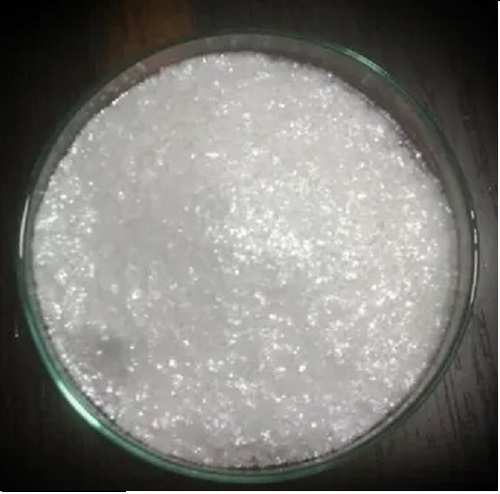
Description
-
Product Overview
Maltol is a naturally occurring organic compound used as a flavor-enhancing and chelating agent; offered here as an industrial-grade crystalline powder optimized for manufacturing and formulation use. Its primary industrial use is as a flavor potentiator and aroma modifier in food ingredient manufacturing, and as a chelator/metal-complexing additive and stabilizer in pharmaceuticals, cosmetics, agrochemicals, and specialty polymers. The key value proposition is predictable, high-purity performance that improves sensory profiles, stabilizes metal-sensitive formulations, and reduces downstream formulation failures. Strategically, sourcing consistent industrial-grade Maltol from a reliable supplier reduces formulation risk, accelerates time-to-market, and lowers total cost of ownership across multi-ton production cycles. -
Key Specifications & Technical Characteristics
-
Chemical name: Maltol (3-hydroxy-2-methyl-4-pyrone)
-
CAS number: 118-71-8
-
Chemical formula: C6H6O3
-
Purity/grade: Industrial-grade; typical purity ≥ 99.0% (potency certified by certificate of analysis)
-
Physical form: Crystalline powder
-
Color/appearance: White to off-white crystalline powder
-
Particle size: Typical distribution d50 in the 20–200 µm range (custom milling available on request)
-
Bulk density: ~0.45–0.65 g/cm³ (packed density variable by particle size)
-
Solubility: Soluble in hot water, soluble in ethanol and other organic solvents (data available in technical datasheet)
-
Melting point: ~161–165 °C (typical)
-
Moisture content: ≤ 0.5% (loss on drying)
-
Ash content: ≤ 0.1%
-
Heavy metals: Meets industrial limits; specific metals (Pb, As, Cd, Hg) below regulated thresholds (COA provided)
-
Microbiological: Industrial-grade specification (non-sterile); microbial limits available if required for food/pharma applications
-
Packaging options: 25 kg multi-layer kraft paper bags with PE liner; 500 kg–1,000 kg FIBC (bulk bags); ISO tank or coated bulk-container solutions for large volumes (custom options available)
-
Shelf life and storage: 24 months when stored in sealed containers, in a cool, dry place away from direct sunlight and moisture; specific storage conditions detailed in SDS
-
Core Industrial Applications
-
Food and Beverage Manufacturing: Used as a flavor enhancer and modifier to boost sweet, caramel, and malt notes in confectionery, bakery, beverages, and dairy formulations; allows formulators to reduce higher-cost flavor blends while preserving sensory quality.
-
Pharmaceuticals & Nutraceuticals: Functions as a chelating/stabilizing agent to protect active pharmaceutical ingredients from metal-catalyzed degradation and to improve shelf stability in solid and liquid dosage forms.
-
Cosmetics & Personal Care: Employed to modify fragrance profiles and stabilize metal-sensitive ingredients in creams, lotions, and color cosmetics, improving fragrance longevity and product stability.
-
Agrochemicals & Crop Protection: Acts as an additive to stabilize formulations and improve compatibility between active ingredients and adjuvants.
-
Specialty Polymers & Coatings: Serves as a stabilizer/processing aid in polymer formulations and coatings where metal-catalyzed discoloration or degradation must be controlled.
Why it outperforms alternatives: -
Higher, certified purity reduces off-notes and minimizes impurities that cause formulation variability.
-
Reliable chelation and thermal stability improve product shelf life and reduce reject rates.
-
Controlled particle size and packaging options facilitate efficient downstream handling and dosing in automated production lines.
-
Competitive Advantages
-
Quality consistency: Batch-to-batch testing and COA for key quality attributes ensure reproducible performance in industrial formulations.
-
Supply reliability: Sourced through established raw-material channels with capacity planning to support continuous multi-ton supply and contract commitments.
-
Logistics capability: Multiple packaging formats, compatibility with FIBC and ISO containers, and optimized palletization for sea/road freight reduce handling costs and transit damage risk.
-
Price competitiveness: Volume-based pricing models and strategic procurement programs available for long-term contracts to lower unit cost across production runs.
-
Sustainability: Raw material sourcing and manufacturing optimized to minimize waste; packaging recyclable or reusable options available on request.
-
Technical support: Comprehensive documentation including SDS, COA, specification sheet, and application notes; technical team available for formulation support, scale-up consultation, and stability testing guidance.
-
Commercial & Supply Information
-
Minimum order quantity (MOQ): BULK 20MT
-
Loading capacity (MT per container): Typical 20-foot container loading capacity for packaged product: up to 20 MT (palletized 25 kg bags) depending on packaging configuration; FIBC and ISO tank options may vary—contact sales for optimized loading plans.

Reviews
There are no reviews yet.