
Description
-
Product Overview
Lauric Arginate (E243) is a high-purity antimicrobial surfactant synthesized from lauric acid and L-arginine, formulated for industrial food preservation, hygiene and surface-disinfection applications. Its primary industrial use is as a broad-spectrum, non-oxidizing preservative and sanitizer that inhibits bacteria, yeasts and molds while maintaining product sensory profiles. The key value proposition is effective microbial control at low use levels combined with favorable regulatory acceptance and compatibility with diverse formulations. Strategically, Lauric Arginate (E243) enables manufacturers and co-packers to extend shelf life, reduce recalls, and meet stricter food safety and hygiene standards while minimizing sensory and process impacts.
-
Key Specifications & Technical Characteristics
-
Chemical composition: N-α-lauroyl-L-arginine ethyl ester (Lauric Arginate).
-
Active content / grade: Typically 90–95% active ingredient (industrial food-grade); custom grades available on request.
-
Purity: ≥ 90% active; residual solvent and byproduct levels conforming to industrial food additive specifications.
-
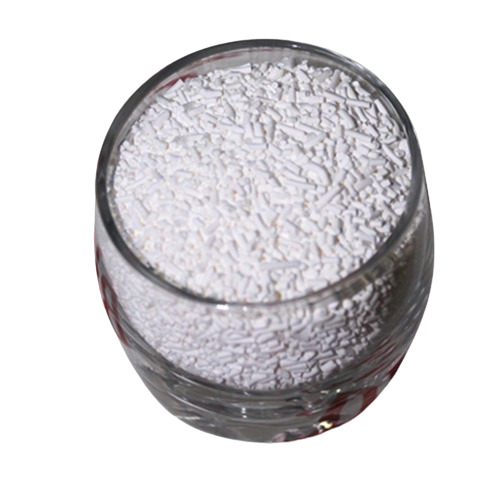
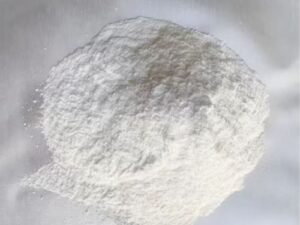
Physical form: White to off-white crystalline powder.
-
Particle size: D50 commonly 100–300 µm (custom milling available).
-
Bulk density: Approx. 0.45–0.65 g/cm³ (packed density varies by grade).
-
Water solubility: Soluble in water; readily dispersible in aqueous systems.
-
pH (1% aqueous): Typically 4.5–6.0 depending on formulation.
-
Melting point: 120–135°C (grade-dependent).
-
Stability / shelf life: 24 months when stored in sealed, dry, cool conditions (≤25°C, <60% RH).
-
Packaging options: 25 kg multi-layer kraft bags with inner PE lining, 500 kg and 1000 kg flexible intermediate bulk containers (FIBCs), 20 MT bulk palletized shipments available.
-
Regulatory information: Recognized in multiple jurisdictions as an approved antimicrobial agent (market-specific compliance recommended).
-
Core Industrial Applications
-
Food & Beverage manufacturers: Use as an ingredient-level antimicrobial to extend shelf life in ready-to-eat meals, processed meats, dairy analogues, sauces, dressings and beverages without imparting off-flavors.
-
Food processing and sanitation: Incorporated into wash solutions, surface sanitizers, and foam cleaners for equipment and conveyor sanitation where non-oxidizing agents are preferred.
-
Ingredient & formulation houses: Employed in preservative systems to reduce levels of traditional preservatives (e.g., sorbates, benzoates) while achieving broader spectrum efficacy.
-
Personal care and cosmetics: Used in low‑concentration preservative systems for creams, lotions and wet wipes where mild, effective microbial control is required.
-
Why it outperforms alternatives: Delivers broad-spectrum antimicrobial activity at lower dosages, has lower sensory impact than some conventional preservatives, and provides effective control in complex matrices and aqueous environments. This enables dose and cost optimization, reduced reformulation cycles, and improved consumer acceptance.
-
Competitive Advantages
-
Quality consistency: Manufactured under controlled GMP processes with batch-level certificates of analysis to ensure narrow specification variance.
-
Supply reliability: Bulk production capacity and forward-looking inventory management reduce lead-time variability for industrial customers.
-
Logistics capability: Flexible packaging sizes (25 kg to 20 MT bulk) and container-loading strategies support both small-scale trials and full-line integrations; compatible with standard dry-container transport.
-
Price competitiveness: Economies of scale for bulk procurement and grade customization deliver lower landed cost per effective antimicrobial unit versus small-batch specialty suppliers.
-
Sustainability benefits: Derived from renewable fatty-acid feedstocks (lauric acid); potential for reduced overall preservative use in formulations, lowering environmental loading.
-
Technical support: Comprehensive product documentation including safety data sheets (SDS), certificates of analysis (CoA), validated use-level guidelines, and application technical notes; formulation support available from experienced technical staff.
-
Commercial & Supply Information
-
Minimum order quantity (MOQ) BULK: 20 MT.
-
Loading capacity (MT per container): Standard 20-foot dry container up to 20 MT (subject to packaging density and export packing conventions); 40-foot high-cube up to ~24–25 MT where applicable.
Reviews
There are no reviews yet.