
Description
-
Product Overview
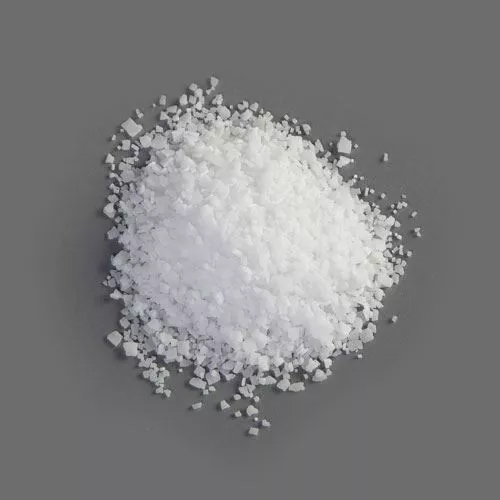
Sodium Propionate (E281) is the sodium salt of propionic acid, supplied as a high-purity preservative and corrosion inhibitor for industrial use. Its primary industrial use is as an antimicrobial and mold-inhibiting agent in food ingredient manufacturing, feed preservation, and select polymer/coating formulations where inhibiting microbial growth or controlling corrosion is critical. The key value proposition is reliable, food-grade performance combined with consistent physicochemical properties that enable predictable dosing, long-term stability, and regulatory compliance across global markets. Strategically, Sodium Propionate (E281) reduces spoilage and extends product shelf life, lowers operational losses, and simplifies regulatory approvals—making it a high-impact component in cost-of-quality and supply-chain risk management.
-
Key Specifications & Technical Characteristics
-
Chemical name: Sodium Propionate (sodium propanoate), E number: E281
-
Chemical formula: C3H5NaO2
-
CAS no.: 137-40-6
-
Purity / grade: Food-grade / USP/BP equivalent; typical assay ≥ 99.0% (batch certificate provided)
-
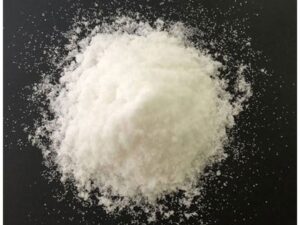
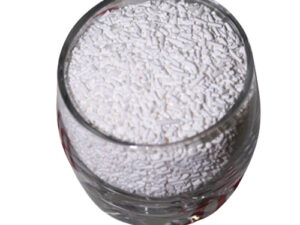
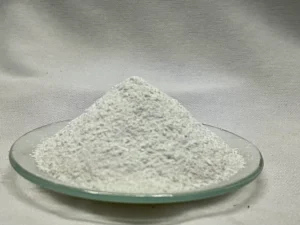
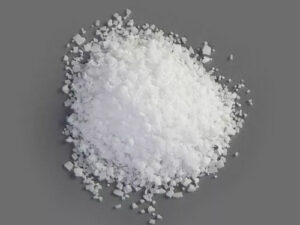
Physical form: Free-flowing crystalline powder
-
Color: White to off-white
-
Odor: Mild characteristic odor of propionates (within spec)
-
Particle size: Median particle size typically 100–300 µm (custom milling available on request)
-
Bulk density (loose): ~550–750 kg/m3 (tumbled packing varies by batch)
-
Solubility: Highly soluble in water; solubility increases with temperature
-
pH (1% aqueous solution): typically 6.5–8.5
-
Residual solvents/impurities: Compliant with food/ feed limits for heavy metals, sulfates, chlorides; detailed impurity profile available in COA/MSDS
-
Packaging options: 25 kg multi-ply kraft paper bags with PE liner, 500–1,000 kg FIBCs (big bags), or ISO-tank and bulk tanker for liquid or slurry variants; palletized options available
-
Shelf life / storage: 24 months in original sealed packaging when stored in a cool, dry, well-ventilated area away from strong oxidizers and moisture; COA recommended for retained sample testing
-
Certifications & documentation: Certificate of Analysis (COA), Material Safety Data Sheet (MSDS/SDS), Declaration of Conformity for food/feed use, GMP traceability documentation, and export compliance paperwork available on request
-
Core Industrial Applications
-
Food & Beverage industry: Used as a mold and bacterial growth inhibitor in bakery products, processed cheese, and pastry fillings; controls spoilage without altering sensory profile, enabling longer shelf life and reduced food waste.
-
Animal Feed: Preserves high-moisture feed and premixes by suppressing fungal growth, improving feed stability and reducing mycotoxin risk—important for livestock performance and regulatory compliance.
-
Polymer, Coatings & Adhesives: Functions as a corrosion inhibitor and preservative in aqueous polymer dispersions and adhesives, preventing microbial degradation during storage and application, thereby maintaining rheology and adhesive strength.
-
Leather & Textile Processing: Serves as a biocide alternative for selected wet-processing stages where controlled microbial activity is needed without harsh chemistries.
-
Chemical Intermediates: Acts as a reagent or neutralizing salt in specialty chemical synthesis where predictable acid–base behavior and high purity are required.
Why it outperforms alternatives:
-
Broad-spectrum antifungal and antibacterial efficacy at low dosages compared with many organic preservatives.
-
Favorable sensory and regulatory profile for food/feed applications relative to stronger synthetic preservatives.
-
High solubility and predictable dissolution kinetics permit accurate dosing and process control.
-
Stable crystalline form supports long shelf life and low handling losses compared with liquid preservatives.
-
Competitive Advantages
-
Quality consistency: Produced under controlled GMP environments with routine batch COA and in-house analytical verification (HPLC/titration) to ensure tight specification adherence.
-
Supply reliability: Vertically integrated sourcing and multiple production sites reduce single-point failure risk; forward stocking in strategic ports supports shorter lead times.
-
Logistics capability: Flexible packaging and bulk-handling options (bags, FIBCs, ISO-tanks) compatible with standard container and break-bulk shipping; palletized loads optimized for containerization and efficient warehousing.
-
Price competitiveness: Economies of scale and optimized freight programs deliver competitive landed costs for large-volume B2B purchasers.
-
Sustainability: Lower environmental impact compared with some synthetic preservatives; readily biodegradable propionate anion and options for supply from manufacturers using energy-efficient processes and reduced solvent use.
-
Technical support: Full technical dossier, COA, SDS, shelf-life guidance, dosing recommendations, and on-request application trials; regulatory support for food/feed registrations and local compliance.
-
Commercial & Supply Information
-
Minimum order quantity (MOQ): BULK 20 MT
-
Typical loading capacity:
-
20 ft container (bagged/palletized): up to ~20 MT depending on packaging and pallet configuration
-
40 ft high-cube container: up to ~24–26 MT (optimised pallet stacking)
-
ISO-tank / tanker: capacity per tank as per customer and route (contact for tanker scheduling)
-
-
Lead times: Standard lead time dependent on order size and destination; expedited production and priority shipping options available for contract customers.
-
Sales & distribution: FOB, CFR, CIF Incoterms available; long-term supply agreements and JIT programs supported.
Reviews
There are no reviews yet.