
Description
-
Product Overview
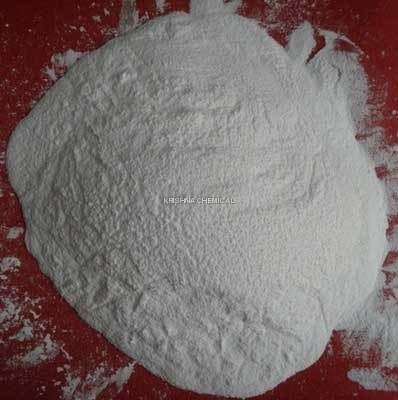
Propionic Acid (E280) is a versatile short-chain carboxylic acid supplied as an industrial-grade liquid for food-preservation, chemical intermediate, and corrosion-inhibition applications. Primarily used as an antimicrobial and preservative in feed and select food formulations, and as a building block for esters, plasticizers, and herbicides, it offers robust microbial control with predictable performance across processing conditions. The key value proposition is consistent, specification-driven purity combined with supply-chain resilience—delivering predictable processing behavior, regulatory alignment, and total delivered cost advantages. Strategically, Propionic Acid (E280) is critical for manufacturers seeking to extend product shelf life, maintain regulatory compliance, and reduce spoilage-related costs while preserving formulation flexibility. -
Key Specifications & Technical Characteristics
-
Chemical name: Propionic Acid (systematic name: propanoic acid).
-
CAS number: 79-09-4.
-
E-number: E280 (where applicable for food/feed use).
-
Chemical composition: C3H6O2; single-component carboxylic acid.
-
Purity/grade: Industrial/Food-compatible grade, typical purity 99.0% minimum (specify lot certificate for exact value).
-
Water content: Typical ≤ 0.5% (confirm on COA).
-
Acidity (as % or mg KOH/g): Provided on certificate of analysis.
-
Physical form: Clear, colorless to pale yellow liquid.
-
Density: Approximately 0.99–1.01 g/cm³ at 20°C (confirm per batch).
-
Boiling point: ~141–142°C (for processing reference).
-
Flash point: 45–55°C (closed cup, handling guidance on SDS).
-
Solubility: Miscible with water and most polar organic solvents.
-
Odor: Characteristic pungent sour odor (handled in closed systems).
-
Packaging options: 20 L HDPE drums; 200 L steel/plastic drums; ISO tankers; flexi-bags; bulk tanker; 20 MT BULK per container.
-
Shelf life: Minimum 12 months if stored in original sealed containers, away from heat and direct sunlight; refer to COA and SDS for storage recommendations.
-
Documentation: Certificate of Analysis (COA), Safety Data Sheet (SDS), and regulatory documentation (food/feed compliance on request).
-
Core Industrial Applications
-
Animal feed preservation: Used as an effective mold and bacterial inhibitor in compound feed and silage to extend shelf life and reduce spoilage risks. Operates at low dosing levels compared with many alternatives, lowering overall formulation costs.
-
Food ingredient (where authorized): Preservative for baked goods and cheeses in jurisdictions recognizing E280, enabling longer shelf life with minimal sensory impact when used per regulatory limits.
-
Chemical intermediate: Precursor for esterification to produce propionate esters, plasticizers, and solvents; reliable reactivity and predictable impurity profile facilitate downstream synthesis and process control.
-
Corrosion inhibition and surface treatment: Employed in metalworking fluids and pickling baths for targeted corrosion control where organic acid functionality is required.
-
Herbicides and agrochemicals: Intermediate in synthesis routes for selective crop protection agents; consistent purity reduces byproduct formation and simplifies purification.
Why it outperforms alternatives: -
Higher antimicrobial efficacy per unit dose versus many bulk organic acids, enabling lower usage rates and logistics cost savings.
-
Consistent impurity and moisture profile improves process yield in chemical syntheses.
-
Water miscibility and stable liquid form simplify dosing in continuous and batch systems.
-
Competitive Advantages
-
Quality consistency: Tight production controls and lot-specific COAs ensure batch-to-batch uniformity essential for regulated food/feed and chemical manufacturing.
-
Supply reliability: Sourced and shipped with structured inventory planning and bulk loading capability to minimize supply interruptions for large-scale industrial customers.
-
Logistics capability: Multiple packaging formats including BULK 20MT for container shipping, ISO tanker and flexi-bag options to optimize landed cost and reduce intermediate handling.
-
Price competitiveness: Economies of scale in bulk supply reduce unit cost; transparent pricing models for contract buyers.
-
Sustainability: Production options available from optimized process routes with reduced waste streams; available documentation on waste treatment and emissions on request.
-
Technical support: Full SDS, COA, and formulation guidance; application troubleshooting and sample trial support for qualifying customers.
-
Commercial & Supply Information
-
Minimum order quantity (MOQ): BULK 20MT.
-
Loading capacity (MT per container): 20 MT per 20-foot container (BULK ISO/tanker configuration) or standard 20 MT flexi-bag/container arrangement.
-
Standard lead times and contract options: Customizable—contact supplier for exact delivery schedules, freight terms (FOB, CFR, CIF), and large-volume contracts.

Reviews
There are no reviews yet.