
Description
-
Product Overview
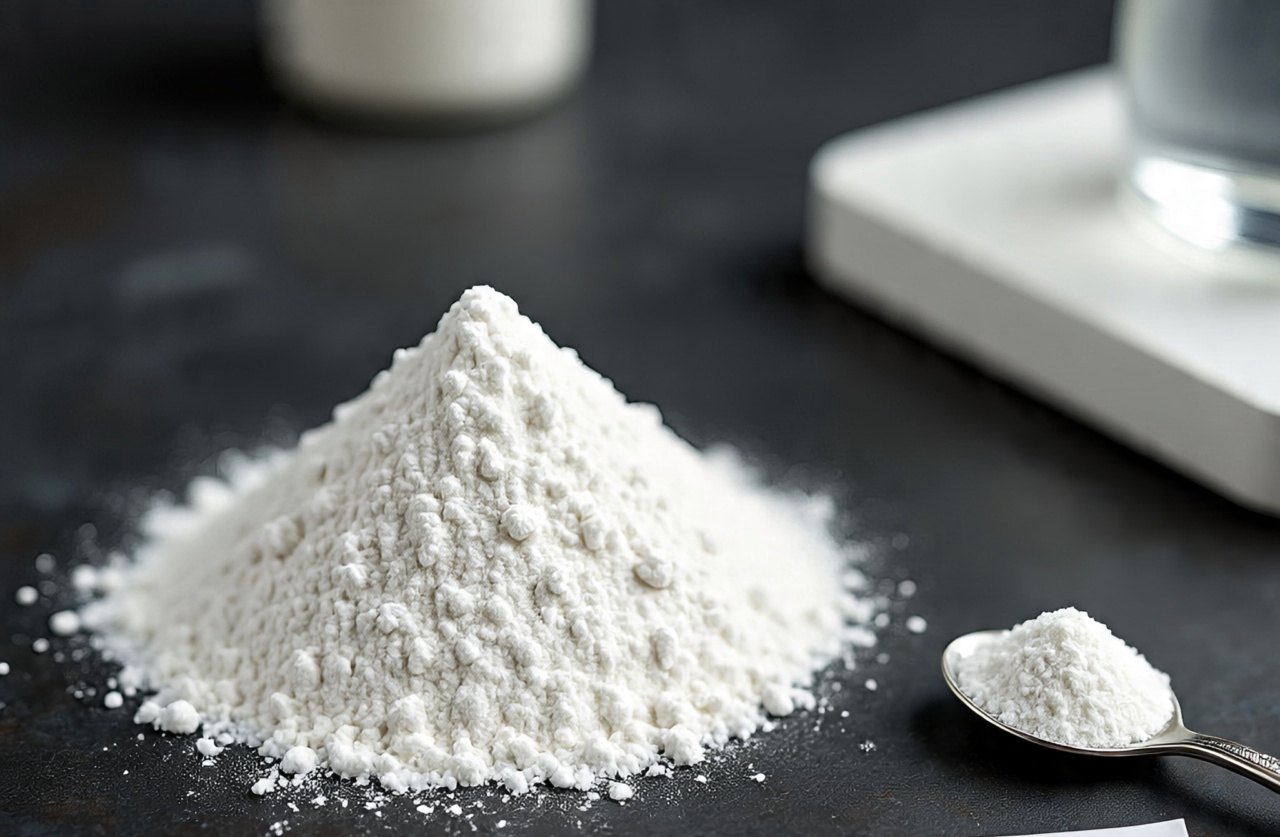
Potassium Bicarbonate (E501) is a high-purity inorganic salt used across chemical, agricultural, and industrial process applications. Primarily employed as a buffering agent, fire-suppressant component, and low-chloride potassium source, it delivers reliable performance where controlled alkalinity and potassium enrichment are required. The product offers predictable chemical behavior, low impurity profiles, and compatibility with demanding process specifications, making it a cost-effective substitute for chloride-bearing potassium salts. For strategic buyers, Potassium Bicarbonate (E501) reduces process risk, improves end-product quality, and supports regulatory and sustainability objectives across supply chains.
-
Key Specifications & Technical Characteristics
-
Chemical identity: Potassium bicarbonate (KHCO3), E-number E501.
-
Chemical formula: KHCO3.
-
Purity/grade: Industrial/food-grade options available; typical assay ≥ 99.0% (adjustable by contract).
-
Impurities: Low chloride, low sodium, heavy metals below industry thresholds; specific limits provided on request.
-
Physical form: Fine to medium crystalline powder.
-
Color: White to off-white.
-
Typical particle size distribution: D90 ~100–300 µm (custom milling available).
-
Bulk density: ~0.9–1.2 g/cm³ (tamped or as-is basis).
-
Solubility: Soluble in water; decomposition begins on heating above ~270 °C.
-
pH (1% aqueous): mildly alkaline, typically ~8.3.
-
Packaging options: 25 kg multi-wall paper sacks with inner polyethylene liner, 500 kg FIBCs (bulk bags), and ISO tank/containerized bulk solutions where applicable.
-
Shelf life/storage: Stable under recommended dry, cool storage; typical shelf life 24 months if kept moisture-free and sealed.
-
Compliance & documentation: Certificates of Analysis (CoA), Safety Data Sheet (SDS), and optional specification sheets available with each shipment.
-
Core Industrial Applications
-
Agrochemicals & Fertilizers: Used as a low-chloride potassium source in compound fertilizers and foliar nutrient formulations to minimize chloride-sensitive crop damage; improves nutrient uptake and crop quality relative to KCl in sensitive crops.
-
Food & Beverage Processing: pH buffering, leavening, and potassium fortification in formulations where E501 approval is required; preferred where low-sodium, low-chloride inputs are specified.
-
Fire Extinguishing Agents: Key active in dry chemical fire suppressant powders and specialized firefighting foams; effective for Class B and Class C fires and as a non-corrosive alternative to chloride salts.
-
Chemical Manufacturing & Neutralization: pH control and CO2 scrubbing; used for controlled neutralization in process streams, where predictable bicarbonate buffering avoids chloride contamination.
-
Pharmaceutical & Specialty Chemicals: As an excipient or reagent where high purity and low impurity burdens are essential.
Why it outperforms alternatives: -
Lower chloride content reduces corrosion and downstream contamination risk versus potassium chloride.
-
Predictable buffering capacity and high solubility improve process control versus carbonate or hydroxide alternatives.
-
Non-hygroscopic to moderately hygroscopic behavior simplifies handling compared with other potassium salts.
-
Competitive Advantages
-
Consistent Quality: Factory-controlled production with routine CoA testing ensures batch-to-batch uniformity suitable for sensitive industrial processes.
-
Supply Reliability: Secured raw material sourcing and scheduled production slots support predictable lead times for contractual supply agreements.
-
Logistics Capability: Flexible packaging (25 kg sacks, 500 kg FIBCs, bulk container options) and coordinated loading for 20 MT bulk shipments enable optimized freight planning and container utilization.
-
Price Competitiveness: Economies of scale for bulk orders, transparent pricing tiers for long-term contracts, and low downstream processing costs relative to chloride removal options.
-
Sustainability Benefits: Lower chloride footprint reduces environmental risk in agricultural runoff and industrial effluent; production can be sourced from suppliers with documented environmental management systems on request.
-
Technical Support: Product datasheets, application notes, on-demand CoA/SDS, and technical advisory for formulation integration and handling best practices.
-
Commercial & Supply Information
-
Minimum Order Quantity (MOQ): BULK 20 MT.
-
Typical loading capacity per container:
-
20 ft container: up to 20 MT (bagged/FIBC, depending on packing configuration).
-
40 ft container: up to 24–25 MT (optimized pallet/FIBC loading; confirm per order).
-
-
Availability: Production lead times and spot availability subject to contract terms; confirmed scheduling with purchase order.
-
Documentation supplied with shipment: Commercial invoice, packing list, CoA, SDS, and transport documents (B/L or AWB) as required.

Reviews
There are no reviews yet.