
Description
-
Product Overview
Glucose Syrup is a high-purity, food- and industrial-grade concentrated glucose solution derived from enzymatic hydrolysis of starch. It serves as a versatile carbohydrate ingredient and functional sweetener for food manufacturing, beverage blending, pharmaceutical excipients, and industrial fermentation. The product delivers consistent viscosity control, predictable reducing-sugar content, and reliable hygroscopic properties, enabling streamlined processing and predictable product performance. Strategically, sourcing high-quality glucose syrup reduces formulation variability, shortens production cycles, and lowers overall cost-in-use for large-scale manufacturers and formulators.
-
Key Specifications & Technical Characteristics
-
Chemical composition: Predominantly D-glucose (monosaccharides and short-chain oligosaccharides), derived from corn / cassava starch (specify origin on contract).
-
DE (dextrose equivalent): Typical range 20–42 (custom grades available on request).
-
Purity / grade: Food-grade / industrial-grade options; meets relevant local and international specifications (certificate of analysis supplied).
-
Reducing sugar content: Specified per grade (typical values aligned with DE).
-
Moisture content: Typically 18–25% (grade-dependent).
-
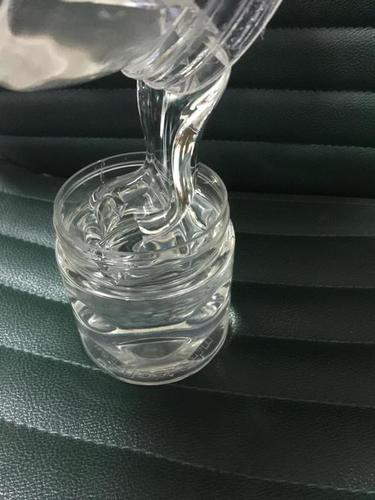
Physical characteristics: Viscous, amber to light-golden syrup; free of visible solids; pourable at ambient temperatures.
-
Density (approx.): 1.38–1.45 g/mL depending on DE and solids content.
-
pH: Typically 4.0–6.0 (buffering dependent on production).
-
Solids (Brix): Typical total solids 70–82% (grade-dependent).
-
Microbiological quality: Supplied within specified microbial limits; standard testing includes total plate count, yeasts & molds, E. coli, Salmonella (COA provided).
-
Heavy metals and contaminants: Supplied within regulatory limits; test reports provided per shipment.
-
Packaging options: Flexible packaging — IBC totes (1,000 L), 220–250 kg drums, 1,000 kg bulk bags (FIBC), and ISO tank/road tanker for bulk loads.
-
Shelf life: 12 months when stored unopened in recommended conditions (cool, dry, protected from direct sunlight); stability information and storage guidelines provided.
-
Core Industrial Applications
-
Food & Beverage manufacturing: Sweetener, mouthfeel modifier, moisture retention agent, fermentation substrate for confectionery, bakery, sauces, and soft drinks. Improves texture and extends shelf life compared with sucrose-only formulations.
-
Confectionery & Bakery: Controls crystallization in candies, provides desirable chewiness in gummies, and retains moisture in baked goods for extended freshness.
-
Beverage & Brewing: Fermentation feedstock and viscosity modifier for syrups and mixers; enhances fermentation consistency versus variable raw sugar streams.
-
Pharmaceutical & Nutraceuticals: Excipient for syrups, suspensions, and taste-masking; reliable solubility and compatibility with active ingredients.
-
Industrial Fermentation & Bioprocessing: Carbon source for yeast and microbial cultures; consistent DE supports predictable growth and metabolite yields, improving batch-to-batch reproducibility.
-
Chemical & Technical Applications: Humectant, stabilizer, and intermediate in formulation of adhesives, coatings, and specialty chemicals where controlled reducing-sugar content is required.
Why it outperforms alternatives: Controlled DE and consistent solids deliver predictable rheology and processing behavior; lower impurity profile than unrefined syrups reduces downstream filtration and waste; flexible packaging and grade customization lower operational friction for large-scale manufacturers.
-
Competitive Advantages
-
Quality consistency: Manufactured under controlled enzymatic hydrolysis processes with batch-level COA, ensuring tight DE and solids tolerances.
-
Supply reliability: Scalable production capacity with multiple sourcing origins and forward-stocked inventory to support continuous production for enterprise customers.
-
Logistics capability: Multiple packaging formats and bulk transport solutions (ISO tanks, road tankers, FIBC, drums) enable optimized freight and handling for local and international flows.
-
Price competitiveness: Economies of scale and optimized supply chain deliver competitive landed cost at bulk quantities; flexible contract terms for long-term buyers.
-
Sustainability benefits: Options for traceable raw material origin (e.g., responsibly sourced cassava or corn), and low-waste production streams; potential for certification (supply dependent) to support corporate sustainability targets.
-
Technical support & documentation: Full documentation package — COA, SDS, technical data sheet, processing recommendations, and shelf-life/stability data; application support available from technical team for formulation trials and scale-up.
-
Commercial & Supply Information
-
Minimum order quantity (MOQ): BULK 20 MT.
-
Loading capacity (MT per container):
-
20-foot ISO tank / road tanker: up to 20–24 MT (dependent on density and loading regulations).
-
20-foot container with FIBC or drums: typically 18–22 MT (grade and packaging dependent).
-
40-foot container with drums/FIBC: typically 22–26 MT (packaging and weight limits dependent).
-
-
Lead times: Quoted per order; standard lead time depends on order size and destination (expedited booking and inventory allocation available for contracted customers).
-
Documentation: Commercial invoice, packing list, COA, SDS, phytosanitary/origin documents as required, and export compliance paperwork.
-
Payment & contract terms: Flexible options for enterprise contracts, including long-term supply agreements, call-off schedules, and volume-based pricing (details negotiable).
Reviews
There are no reviews yet.