
Description
-
Product Overview
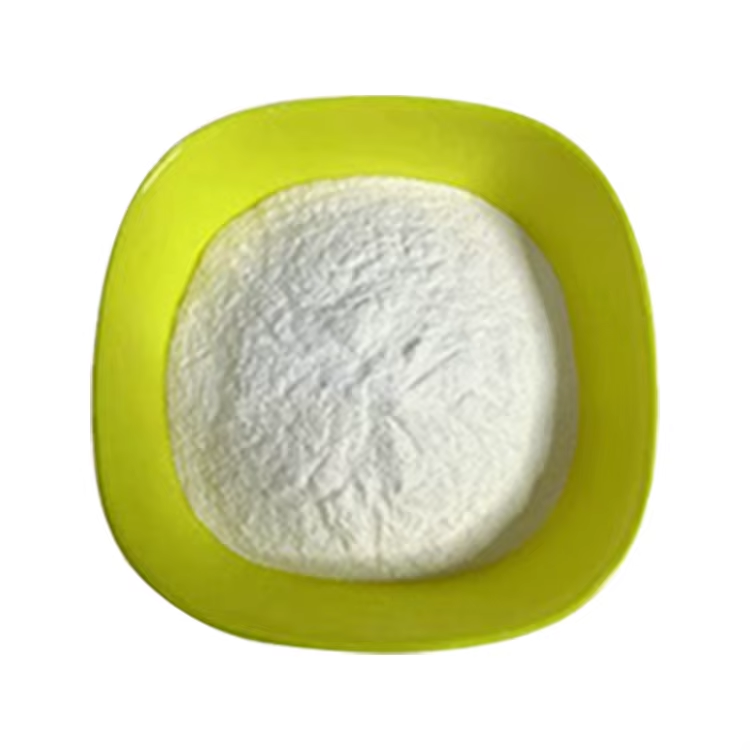
Steviol Glycosides (E960) — a high-purity, plant-derived sweetener extracted from Stevia rebaudiana — offered as an industrial-grade crystalline powder for large-scale food, beverage, and ingredient manufacturing. It functions as an intense non-nutritive sweetener and flavor modifier, delivering up to 200–400× sweetness of sucrose at low inclusion rates while enabling calorie reduction, label-clean claims, and formulation flexibility. The product’s key value proposition is reliable, food‑grade sweetness with consistent sensory performance and regulatory alignment, reducing formulation costs and supporting reformulation toward sugar-reduction targets. Strategically, Steviol Glycosides address rising regulatory and consumer demand for low‑calorie, natural sweeteners across global FMCG supply chains and provide a scalable substitute for high-intensity synthetic sweeteners.
-
Key Specifications & Technical Characteristics
-
Chemical composition: Predominant steviol glycoside profile (Rebaudioside A, Rebaudioside D, Rebaudioside M, Stevioside) — exact distribution customizable per order.
-
Active content / Purity: Standard grades available 95% (typical commercial food‑grade), 97% and 99% (high‑purity pharma/food specialty).
-
Assay: Expressed as total steviol glycosides (on dry weight basis).
-
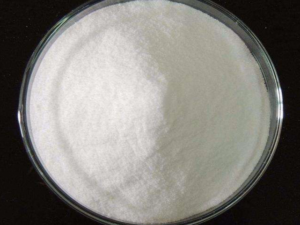
Physical form: Free‑flowing crystalline powder.
-
Color and appearance: Off‑white to pale cream crystalline powder.
-
Particle size: Typical D50 80–200 µm (custom milling available to meet downstream processing needs).
-
Bulk density: Approximately 400–650 kg/m³ (varies by grade and particle size).
-
Solubility: Highly soluble in water; solubility and dissolution profile documented for formulation parameters.
-
Moisture content: ≤5% (controlled to preserve stability and flow).
-
pH (1% aqueous): ~4.5–6.5 (grade dependent).
-
Microbiological limits: Total plate count, yeast & mold, and absence of pathogens per relevant food safety standards (detailed certificates provided).
-
Heavy metals: Compliant with international limits (Pb, Cd, As, Hg) with batch certificates.
-
Allergen status: Naturally allergen‑free; non-GMO sourcing available upon request.
-
Packaging options: 25 kg multi‑wall kraft paper bags with inner PE liner; 500 kg and 1,000 kg food‑grade FIBC (big bags); ISO tank / bulk shipment options for liquid extract variants.
-
Shelf life: 24 months when stored in original sealed packaging, cool dry conditions (≤25°C, <65% RH).
-
Certifications & documentation: Certificate of Analysis (COA), Safety Data Sheet (SDS), GMP declaration, HACCP, and certificates for requested regulatory markets (e.g., EU, US, Codex compliance) provided per shipment.
-
Core Industrial Applications
-
Food & Beverage manufacturing: Sweetening for carbonated soft drinks, RTD beverages, dairy desserts, confectionery, baked goods (with blending strategies), syrups, and tabletop sweeteners; used for sugar reduction while preserving mouthfeel and sweetness profile.
-
Nutraceuticals & dietary supplements: Low‑calorie formulations, sachets, chewables, and tablets where high-intensity sweetness at minimal bulk is required.
-
Pharmaceutical formulations: Taste‑masking for oral solids and liquids, leveraging purity grades and controlled particle size for blending and compression.
-
Ingredient & flavor houses: Base for flavor modulation, synergistic blends with sugars, polyols, or next-generation sweeteners to optimize cost-in-use and sensory profile.
-
Food service & industrial kitchens: Bulk sweetener for institutional use, blending into concentrates and syrups.
Why it outperforms alternatives: superior sweetness potency reduces dosage and logistics costs; high-purity grades (Reb A/D/M-enriched) improve taste profile with reduced bitterness and cleaner sweetness compared to lower‑purity stevia extracts and many artificial sweeteners. The product supports cost-effective sugar reduction strategies, lower formulation weight, and easier regulatory acceptance than some synthetic high‑intensity sweeteners.
-
Competitive Advantages
-
Quality consistency: Tight in‑house QC, batch COAs, and retained samples ensure reproducible sensory and functional performance across production runs.
-
Supply reliability: Secured upstream raw-material contracts and scalable extraction capacity to support multi-ton monthly deliveries and contract manufacturing partnerships.
-
Logistics capability: Flexible packaging and containerized loading options, export documentation, cold‑chain not required; experienced export operations for EU, US, Asia, and Africa routes.
-
Price competitiveness: Competitive per‑sweetness cost versus artificial and lower‑purity stevia grades due to concentrated potency and optimized extraction yield; volume pricing and long-term contract rebates available.
-
Sustainability: Plant‑derived, low-carbon footprint sourcing options, traceable supply chains, and potential for certified sustainable sourcing on request.
-
Technical support: Application guides, formulation consultation, stability data, sensory benchmarking, and on‑demand samples for industrial trials. Full regulatory dossiers and assistance available for market registration.
-
Commercial & Supply Information
-
Minimum order quantity (MOQ): BULK 20 MT.
-
Loading capacity (MT per container): Standard 20-foot dry container up to 20 MT (in 25 kg bags FCL), 40-foot HC up to 24–25 MT depending on bag stacking and palletization; 20 ft reefer not required.
-
Lead times: Typical production lead time 4–6 weeks for first bulk orders; expedited scheduling available for repeat contracts.
-
Incoterms & payment: Flexible (FOB, CIF, EXW); payment terms negotiable for established customers.
-
Documentation: COA, SDS, Bill of Lading, Phytosanitary/Origin certificates (if required), and regulatory compliance documents provided per shipment.
Reviews
There are no reviews yet.