
Description
Product Overview
Bifidobacterium animalis (BB-12) is a well-characterized probiotic bacterial strain produced and stabilized for industrial use in food, nutraceutical, animal feed, and ingredient-manufacturing operations. Its primary industrial use is as a live microbial ingredient to confer gut-modulating benefits, improve product shelf stability, and support formulation claims (e.g., probiotic, digestive health) across large-scale production lines. The key value proposition is consistent strain identity and viability (CFU specification at dispatch), enabling manufacturers to deliver validated probiotic performance while minimizing process variability. Strategically, BB-12 is a widely accepted, clinically backed probiotic reference strain—its regulatory recognition and robust stability profile make it a low-risk, high-impact sourcing choice for global B2B customers.
Key Specifications & Technical Characteristics
-
Strain identity: Bifidobacterium animalis subsp. lactis BB-12 (ISO/ATCC/DSM referenced strain lineage as supplied).
-
Active content: Specified viable count (CFU/g) at time of release; typical standard grades available (e.g., 1×10^9, 5×10^9, 1×10^10 CFU/g) with certificate of analysis.
-
Purity: Pathogen-free, heavy-metal screened, mycotoxin tested; microbial purity thresholds per specification (absence of Salmonella, E. coli, Staphylococcus aureus, etc.).
-
Form: Spray-dried powder (free-flowing), optionally microencapsulated or carrier-blended (maltodextrin, inulin, or other excipients) for enhanced stability.
-
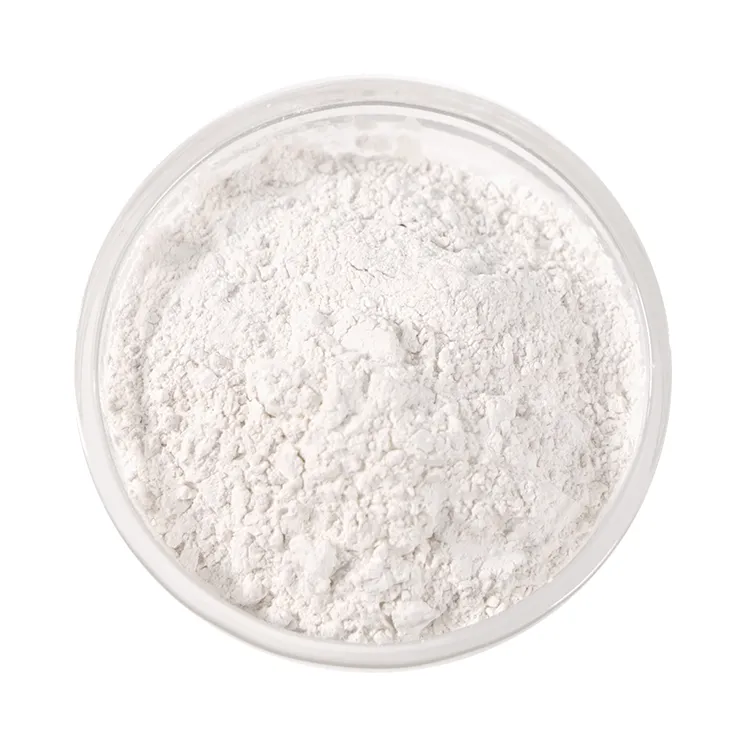
Color and appearance: Off-white to pale beige powder, homogeneous, low dust.
-
Particle size: Typical D50 in the 20–150 µm range depending on formulation and milling.
-
Moisture content: Controlled (typically ≤5% w/w) to preserve viability and flow.
-
Bulk density: Indicative range 0.30–0.60 g/mL (varies by carrier and processing).
-
Water activity (aw): Supplied with aw specification (typically ≤0.30) to ensure storage stability.
-
Stability & shelf life: Standard shelf life up to 12–24 months at recommended storage (2–8 °C) for non-encapsulated grades; extended shelf life for cold-chain or microencapsulated variants—stability data supplied in CoA.
-
Packaging options: Industry-grade packaging for bulk distribution — 20 kg multi-layer kraft bags with inner PE liner, 25 kg FIBCs, or 20 MT palletized bulk (containerized). Custom packaging (nitrogen-flushed drums, vacuum-sealed foil pouches) available on request.
-
Regulatory & quality: GMP-manufactured, ISO 9001 compatible processes, supplied with Certificate of Analysis (CoA), Certificate of Origin, and relevant safety data; support for GRAS/Novel Food dossiers or local regulatory documentation on request.
Core Industrial Applications
-
Food & Beverage manufacturing: Inclusion in dairy (yogurts, fermented milk), non-dairy beverages, and functional foods to provide declared probiotic CFU per serving, enhance fermentation profiles, and extend perceived product value.
-
Nutraceuticals & dietary supplements: Used in capsule, sachet, tablet, and sachet powder formulations where standardized CFU, stability, and regulatory traceability are required.
-
Animal feed & aquaculture: Supplementation in premixes and feed pellets to support gut health, feed conversion ratios, and disease resilience in livestock, poultry, and aquaculture.
-
Ingredient & co-manufacture: As an input for contract manufacturers and co-packers producing finished consumer products or bulk intermediate blends requiring validated probiotic content.
Why it performs better than alternatives: BB-12 offers a large corpus of clinical and stability data supporting survivability through processing and gut transit, superior strain recognition by regulators and customers, and flexible formulation options (microencapsulation, carriers) that reduce viability loss during manufacturing. Compared with uncharacterized probiotic blends, BB-12 minimizes batch-to-batch variability and simplifies regulatory claims, reducing time-to-market and post-market risk.
Operational benefits: predictable dosing, lower spoilage risk when formulated correctly, compatibility with standard dry-mixing and encapsulation lines, and clear storage/handling protocols that reduce process disruptions.
Competitive Advantages
-
Quality consistency: Controlled strain lineage and batch release testing ensure reproducible CFU and purity across production lots.
-
Supply reliability: Forecast-driven production scheduling, safety stock, and secured upstream raw-materials reduce lead-time variability; capacity to support multi-ton monthly supply for large manufacturers.
-
Logistics capability: Export-ready packaging, cold-chain handling options, and containerized bulk loading protocols for global distribution; localized warehousing options where regulatory/commercially required.
-
Price competitiveness: Tiered pricing for large-volume contracts, contract manufacturing options, and blended grades to optimize cost-per-CFU while preserving performance.
-
Sustainability: Manufacturing processes designed to minimize waste, energy-efficient drying technologies, and packaging options that reduce material use and enable pallet optimization.
-
Technical support & documentation: Full CoA, stability data, strain deposition references, and formulation guidance from technical applications team; assistance with regulatory dossiers, shelf-life modeling, and process integration.
Commercial & Supply Information
-
Minimum order quantity (MOQ): BULK 20MT.
-
Loading capacity (MT per container): Standard 20 ft container capacity up to 20 MT (subject to packing configuration and carrier limits); 40 ft container capacity up to 24–25 MT with optimized palletization.
-
Lead times and fulfillment: Lead times vary by contract size and formulation; typical lead time for standard spray-dried grade 6–10 weeks; expedited production and airfreight options available for smaller urgent orders.
-
Commercial terms: FOB/CIF/EXW available; commercial credit and long-term contract pricing negotiable for strategic partners.
Reviews
There are no reviews yet.