
Description
-
Product Overview
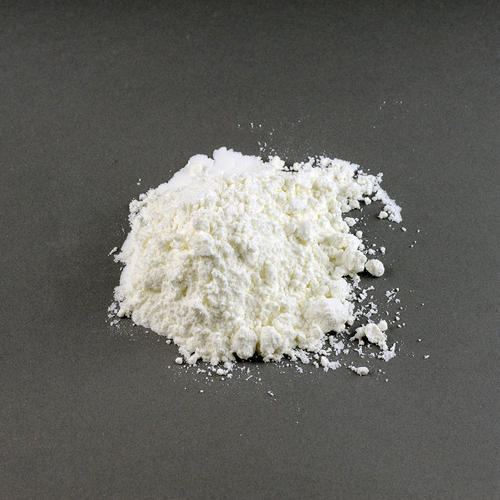
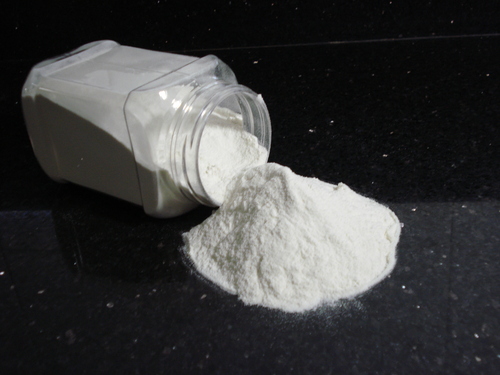
Calcium caseinate is a high-purity milk-derived protein powder produced by precipitating casein with calcium ions and spray-drying to a free-flowing powder. It serves as a functional protein and binder across industrial food, feed, adhesives, and specialty chemical formulations, providing emulsification, gelation, film-forming and water-binding properties. The key value proposition is consistent, food-grade protein functionality at scale—delivering process-stable rheology control, formulation robustness, and predictable performance across batches. Strategically, calcium caseinate is a critical input for manufacturers seeking reliable protein-based functionality while meeting regulatory and quality expectations in global supply chains. -
Key Specifications & Technical Characteristics
-
Chemical composition: Milk-derived casein protein predominantly as calcium salt (caseinate), minimal lactose, trace minerals.
-
Protein content: Typical 88–92% (dry weight basis); specify exact assay on certificate of analysis.
-
Moisture: ≤6.0% (typical commercial grade).
-
Fat: ≤1.5% (typical).
-
Ash (inorganic residue): 6–8% (indicative, dependent on neutralization).
-
pH (10% aqueous solution): 6.5–7.5 (depending on batch).
-
Solubility: High solubility in warm water; forms stable suspensions/emulsions under standard mixing conditions.
-
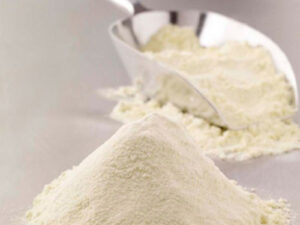
Physical form: Free-flowing powder.
-
Color/appearance: Off-white to cream.
-
Particle size: D50 typically 50–150 µm (custom milling available on request).
-
Bulk density: 400–650 kg/m³ (varies by packing and compaction).
-
Microbiological limits: Total plate count, yeast & mold, coliforms within food-grade limits; pathogens absent (per manufacturer CoA).
-
Allergen declaration: Contains milk; non-vegetarian origin.
-
Packaging options: 25 kg kraft-paper multiwall bags with PE lining, 500 kg / 1,000 kg FIBC (bulk), and ISO tank solutions for slurry supply (by agreement).
-
Shelf life: 12–24 months when stored dry (≤65% RH), cool (≤25°C), and sealed; shelf-life validated per lot on CoA.
-
Regulatory status: Compliant with major food standards where applicable (e.g., FSANZ, Codex provisions for milk proteins) — specify certifications on request.
-
Core Industrial Applications
-
Food manufacturing: Employed by dairy, bakery, confectionery, and meat-analog producers as an emulsifier, texture modifier, protein fortifier, and binder. Use cases include processed cheese analogs, high-protein beverages, whipped toppings, and meat emulsions.
-
Feed & pet food: High-protein ingredient for palatability, pellet binding, and nutritional enrichment in specialty feed and premium pet foods.
-
Adhesives & coatings: Functions as a biodegradable protein binder in dry-mix adhesives, paper coatings, and specialty surface treatments requiring film strength and tack.
-
Specialty chemicals & composites: Used in biodegradable composites, encapsulation matrices, and controlled-release matrices where protein-based matrices offer performance or sustainability advantages.
Why it outperforms alternatives: -
Functional reliability: Superior emulsification and gelation at lower inclusion rates versus many plant proteins, resulting in cost-effective formulations.
-
Thermal stability: Predictable behavior under typical processing temperatures, reducing batch losses.
-
Clean-label and regulatory acceptance: Recognized ingredient with established regulatory pathways, easing market entry for end-products.
-
Formulation flexibility: Balances solubility and film-forming properties better than many starches or synthetic binders in wet and dry systems.
-
Competitive Advantages
-
Quality consistency: Strict lot-to-lot controls, full Certificates of Analysis, and traceability from milk source to finished powder.
-
Supply reliability: Backed by dedicated production capacity and contract manufacturing options to support continuous industrial supply.
-
Logistics capability: Multiple packing formats, FIBC options, and capability for direct bulk loading into containers or ISO tanks; export-ready documentation and centralized export logistics.
-
Price competitiveness: Economies of scale and optimized processing reduce landed cost versus small-batch specialty suppliers; volume pricing available for strategic partners.
-
Sustainability: Derived from dairy by-streams with potential for reduced waste valorization; opportunities for lower-carbon logistics via optimized shipping and local sourcing programs (certifications on request).
-
Technical support: Application development support, formulation trials, and detailed technical dossiers (including CoA, SDS, and functional data) available to industrial buyers.
-
Commercial & Supply Information
-
Minimum order quantity (MOQ): BULK 20 MT.
-
Loading capacity (MT per container):
-
20 ft container (palletized 25 kg bags): approximately 18–20 MT depending on pallet configuration.
-
40 ft container (palletized 25 kg bags): approximately 24–26 MT depending on stacking and pallet specifications.
-
FIBC/containerized bulk: up to 24–25 MT per 20 ft depending on density and loading method.
-

Reviews
There are no reviews yet.