
Description
-
Product Overview
Phosphoric Acid (E338) is a high-purity, industrial-grade inorganic acid supplied for large-scale manufacturing and processing. It serves as a versatile intermediate and process chemical—commonly used for metal surface treatment, fertilizer production (phosphate fertilizers), food-grade acidulation (where applicable grades are used), and pH control in water treatment. The product delivers consistent acidity and chemical stability, enabling predictable process control, higher yields, and reduced downtime. As a globally traded commodity critical to agriculture, metallurgy, and water treatment, reliable access to quality Phosphoric Acid is a strategic procurement priority for industrial buyers seeking process efficiency and supply-chain resilience. -
Key Specifications & Technical Characteristics
-
Chemical name: Orthophosphoric acid (Phosphoric Acid, EINECS/EU registry: E338)
-
Active ingredient: H3PO4
-
Purity / grade: Industrial grade (typical assay: 75% w/w (concentrated) — specify exact assay on request), available in other specified concentrations by agreement
-
Impurities: Specified maximums for iron, chloride, sulfate, heavy metals (detailed certificate of analysis provided per shipment)
-
Physical form: Clear, viscous liquid
-
Color: Colorless to slightly yellow (as delivered)
-
Density: Typical density ~1.57 g/cm³ for 85% w/w; density varies with concentration (C of supply will be specified)
-
Boiling/freezing: Boiling point and freezing point vary by concentration (data supplied on SDS)
-
pH: Strongly acidic; pH dependent on concentration
-
Solubility: Miscible with water, compatible with many inorganic solvents per guidance
-
Packaging options:
-
BULK: ISO tank / flexitank / tank truck (20 MT typical per bulk truck; containerized bulk options available)
-
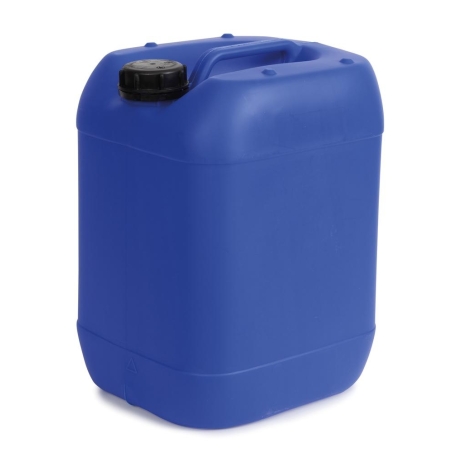
Drums: 200L steel or HDPE lined drums (net weight per drum per request)
-
IBCs: 1000 L IBCs (net weight per IBC on request)
-
Custom packaging available subject to MOQ and regulatory requirements
-
-
Shelf life: Stable under proper storage (cool, dry, corrosion-resistant containers); shelf-life guidance and storage conditions provided on SDS and COA
-
Documentation: Certificate of Analysis (CoA), Safety Data Sheet (SDS/MSDS), Material Compliance documents, export/import documentation available upon order
-
Core Industrial Applications
-
Fertilizer manufacture: Primary feedstock for producing phosphate-based fertilizers (single superphosphate, ammonium phosphate). Advantages: consistent acid strength supports predictable acidulation and higher P2O5 recovery.
-
Metal surface treatment and pickling: Used for rust removal, metal cleaning, and conversion coatings. Advantages: controlled acidity and low impurity profile reduce rework and improve coating adhesion.
-
Water and wastewater treatment: pH adjustment and phosphate dosing. Advantages: precise dosing characteristics and predictable buffering behavior lower chemical consumption.
-
Food & beverage processing (using food-grade variants only): Acidulant and pH control (where certified food-grade/E338 is supplied). Advantages: stable acid profile and traceability documentation for regulatory compliance.
-
Industrial chemical synthesis: Intermediate for phosphate esters, flame retardants, and specialty phosphates. Advantages: consistent assay reduces variability in downstream syntheses and improves batch yields.
Why this product outperforms alternatives: -
Predictable concentration and low impurity levels reduce process variability.
-
Better handling characteristics and available technical documentation reduce integration time and operational risk.
-
Cost-per-effective-active-acid typically lower than alternative acidulants when considering downstream yields and impurity handling costs.
-
Competitive Advantages
-
Quality consistency: Each shipment accompanied by CoA and batch traceability; strict QC sampling and testing protocols.
-
Supply reliability: Regular production schedules, contracted shipping lanes, and inventory staging to minimize lead-time volatility.
-
Logistics capability: Multiple export packaging formats (ISO tanks, flexitanks, drums, IBCs), compatibility with containerized and bulk inland transport, experienced handling for hazardous/liquid acids.
-
Price competitiveness: Market-based pricing with volume-tier discounts and long-term contract pricing available for strategic buyers.
-
Sustainability & environmental benefits: Options for sourcing from low-energy production routes and supply chains with documented emissions data (available on request); waste-handling guidance to reduce downstream environmental impact.
-
Technical support: Application engineering support, SDS, storage & handling guidance, and custom concentration formulations available; lab-scale sampling and pilot support for large projects.
Positioning: Phosphoric Acid (E338) should be procured as a strategic raw material—buyers gain operational predictability, minimized impurity-related costs, and supplier-backed logistics and technical support.
-
Commercial & Supply Information
-
Minimum order quantity (MOQ): BULK 20 MT
-
Loading capacity (MT per container):
-
20-ft container flexitank: up to ~20 MT (depending on density and regulations)
-
1 x 20 MT per standard bulk road tanker (per shipment)
-
ISO tank capacity: typically 20–24 MT depending on tank specification and product density
-
-
Lead times: Subject to confirmation at order (dependent on destination, packaging, and regulatory approvals)
-
Incoterms, payment terms, and long-term contract arrangements: Available on request and negotiable for strategic customers
Reviews
There are no reviews yet.