
Description
-
Product Overview
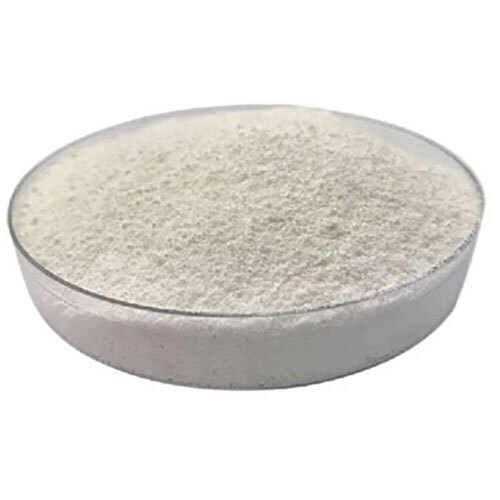
Caffeine Anhydrous (FCC) is a high-purity, food- and pharma-compatible anhydrous caffeine powder manufactured to Food Chemical Codex (FCC) standards for industrial use. It serves as a concentrated stimulant and active ingredient across pharmaceutical formulations, beverage ingredient blending, nutraceuticals, and analytical standards. The product’s key value proposition is reliable, specification-driven purity and particle quality that enable predictable dosing, formulation stability, and regulatory compliance. Strategically, sourcing FCC-grade caffeine reduces formulation variability, accelerates time-to-market for new products, and mitigates regulatory risk for global manufacturers and contract producers.
-
Key Specifications & Technical Characteristics
-
Chemical composition: 1,3,7-Trimethylxanthine (C8H10N4O2).
-
Purity / grade: FCC grade, typical assay ≥ 99.5% (HPLC assay traceable to internal standard).
-
Impurities: Conforms to FCC impurity limits for related alkaloids, residual solvents ≤ regulatory thresholds.
-
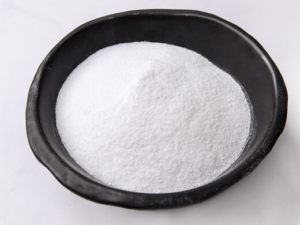
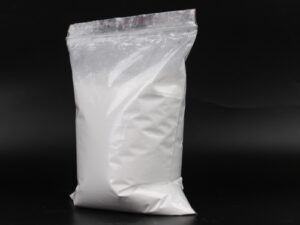
Physical form: Free-flowing crystalline powder.
-
Color and appearance: White to off-white crystalline solid.
-
Particle size: Typical D50 50–150 µm (custom milling available on request).
-
Bulk density: Approx. 0.45–0.60 g/cm³ (tapped density available upon request).
-
Moisture content: ≤ 0.5% (Karl Fischer).
-
Melting point: ~238–240 °C (indicative).
-
Solubility: Sparingly soluble in water, soluble in hot water and polar organic solvents — suitable for solution-based dosing and dry-blend applications.
-
Packaging options: 25 kg multi-ply kraft bags with PE liner; 500 kg FIBC (food-grade liner); 1 MT IBC or ISO tank-compatible packaging for specialty slurry; custom industrial packaging on request.
-
Shelf life / storage: 36 months when stored in a cool, dry, well-ventilated area away from strong oxidizers; retain in original sealed packaging, recommended storage 15–25 °C.
-
Core Industrial Applications
-
Pharmaceuticals: API excipient or active stimulant in analgesics, OTC stimulants, and controlled-release formulations. Used for precise dosing in tablet, capsule, and liquid formulations where FCC compliance is required.
-
Beverage & Food Ingredients: Ingredient for energy drinks, powdered beverage blends, and confectionery where consistent potency and regulatory-grade documentation are essential.
-
Nutraceuticals & Dietary Supplements: High-purity input for capsules, powders, and premixes requiring clear specification and traceable assay for label claims.
-
Cosmetic & Personal Care: Incorporated in topical formulations for efficacy claims (e.g., depuffing eye treatments) where purity and low impurity profile reduce formulation risk.
-
Analytical & Research: Reference material for laboratories and QC, supporting method development, stability testing, and calibration standards.
Why it performs better: -
Consistent FCC-grade assay ensures accurate dosing and reduced batch-to-batch variability compared with technical-grade alternatives.
-
Controlled particle size improves blend homogeneity and dissolution control versus ungraded material.
-
Food/pharma-grade documentation simplifies regulatory filings and supplier qualification for industrial buyers.
-
Competitive Advantages
-
Quality consistency: Manufactured under GMP-aligned conditions with batch-wise QC (HPLC, water, heavy metals, microbial limits) and Certificates of Analysis provided for every shipment.
-
Supply reliability: Large-scale production capacity with secure upstream sourcing of feedstock and multiple production lines to minimize disruption risk.
-
Logistics capability: Standardized packaging and palletization for ocean and air freight; export documentation (COA, MSDS, commercial invoice, packing list) and assistance with regulatory paperwork for international trade.
-
Price competitiveness: Scalable bulk pricing (20 MT+ contracts) with competitive FOB and CIF options; long-term contract discounts available.
-
Sustainability: Process optimization to reduce solvent usage and waste; supplier takes steps toward traceability in raw material sourcing.
-
Technical support: Regulatory documentation, formulation support, analytical method transfer, and stability data available to support customer qualification and regulatory submissions.
-
Commercial & Supply Information
-
Minimum order quantity (MOQ): BULK 20 MT.
-
Loading capacity (MT per container): 20 ft container up to 20 MT (bagged, palletized); 40 ft container up to 24–26 MT depending on pallet configuration and packaging; FIBC and pallet optimization recommended for maximum utilization.
Reviews
There are no reviews yet.