
Description
-
Product Overview
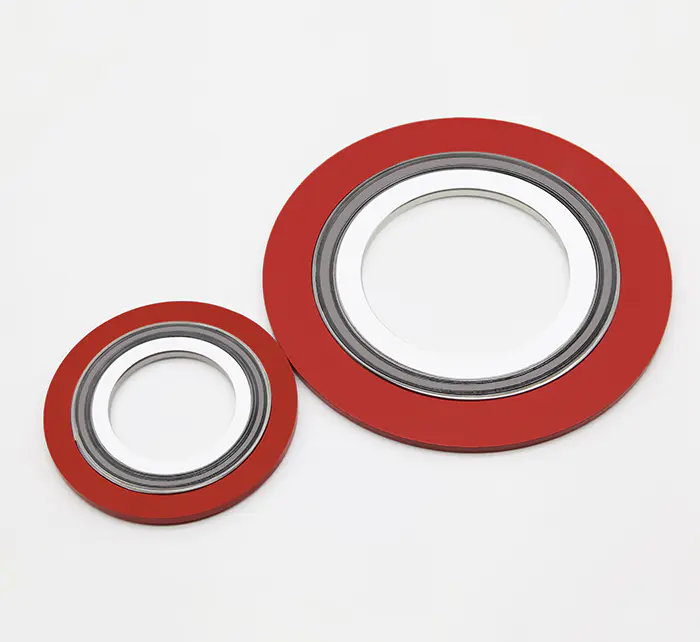
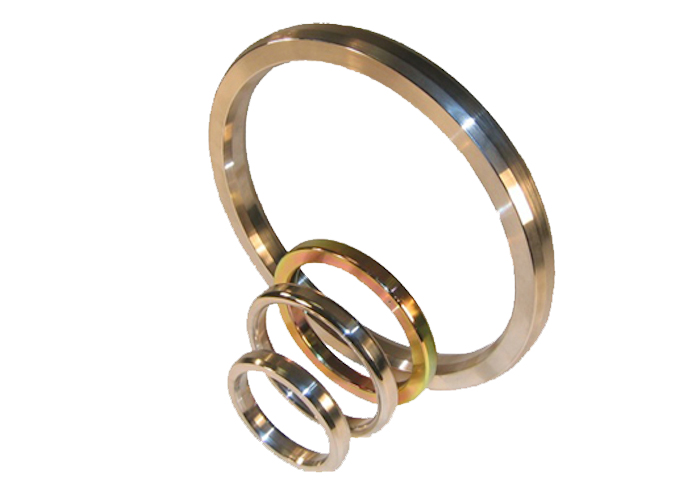
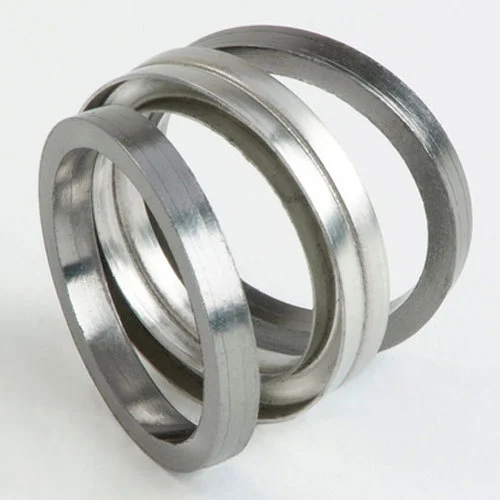
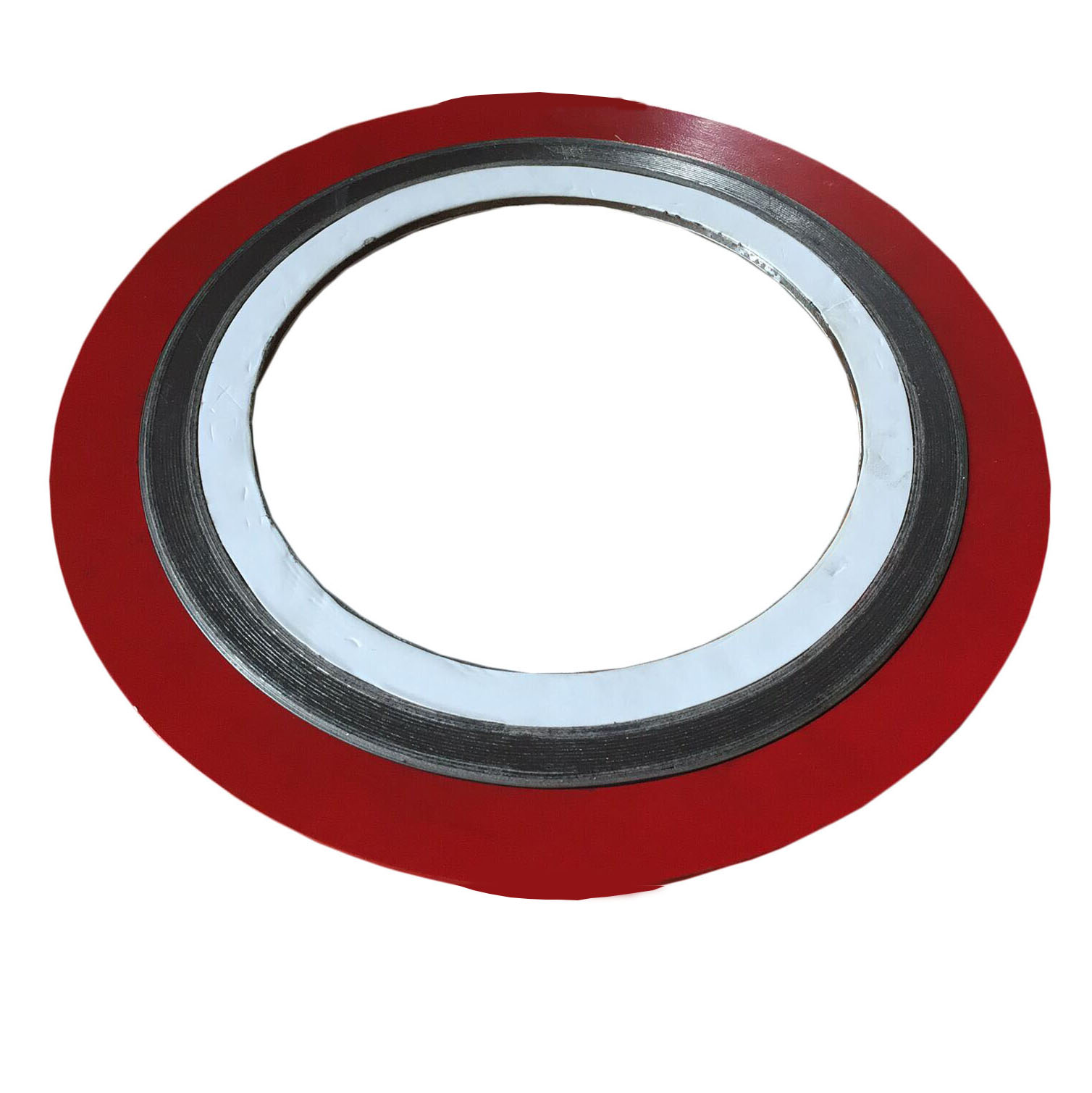
Spiral Wound Gasket RTJ Type (API Flange Seal Replacement) is a high-performance flanged joint sealing solution engineered to replace or upgrade metal ring-type joint (RTJ) gaskets in critical piping and pressure vessel applications. It combines a precision-formed metallic winding with a resilient filler to deliver reliable sealing across wide pressure, temperature, and chemical exposure ranges. The product minimizes leakage risk, reduces downtime for maintenance, and extends joint life—delivering measurable cost-of-ownership reductions for operators. Strategically, it enables safer, more flexible sealing choices for upstream, midstream, refining, petrochemical, power, and industrial gas services where API-compliant performance and interchangeability with RTJ flanges are required. -
Key Specifications & Technical Characteristics
-
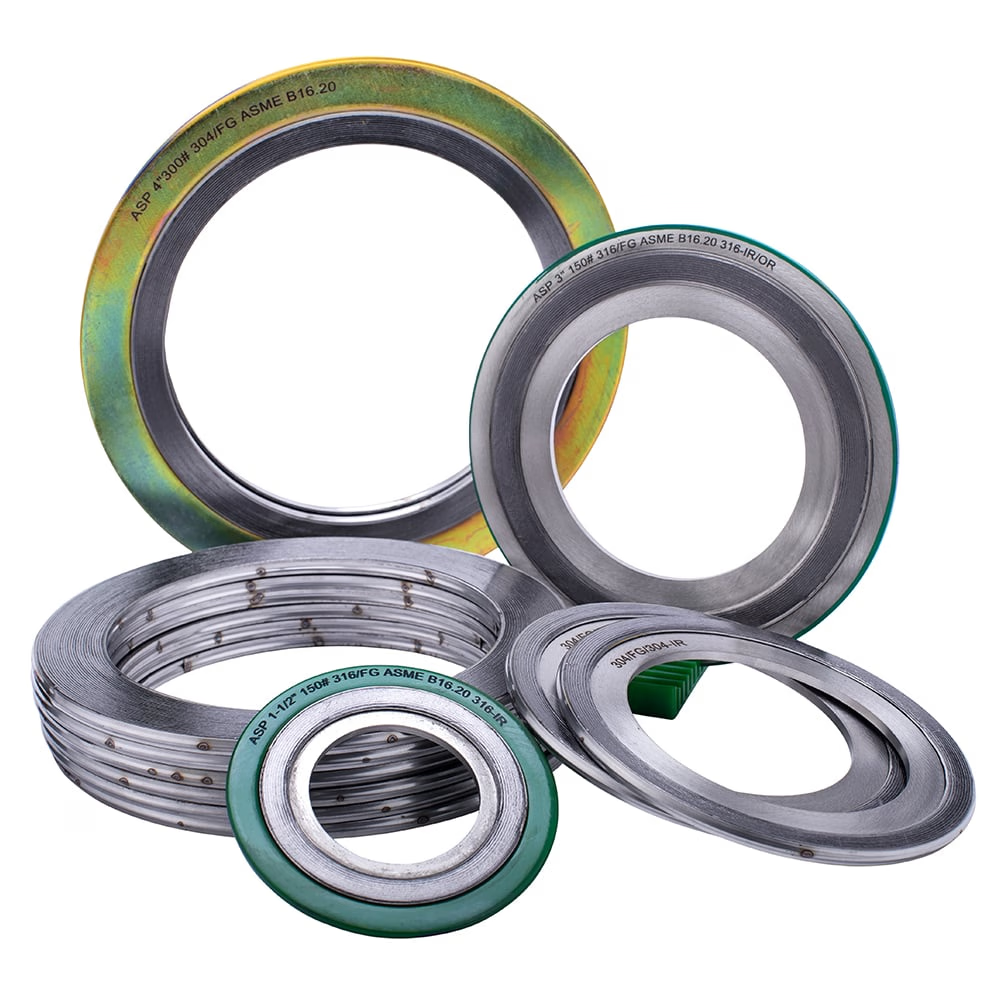
Construction: Spiral-wound metallic strip (typically 304/316 stainless steel or Inconel variants) wound around a central solid wash ering and filled with a soft filler (graphite, PTFE, or ceramic-fiber composite).
-
Metallic material options: 304 SS, 316 SS, 321 SS, Inconel 625, Inconel 825 (selectable to match corrosion and temperature demands).
-
Filler material options: Flexible graphite (standard), PTFE (chemical resistance), ceramic-fiber (high-temperature stability).
-
Facing/center ring: Carbon steel, stainless, or alloy center/outer rings available to facilitate RTJ flange seating and prevent over-compression.
-
Pressure rating: Designed for high-pressure service consistent with API flange classes up to ASME/ANSI specifications (selection per flange class and material).
-
Temperature range: -200 °C to +650 °C depending on metallic/filler selection (graphite and Inconel combinations provide highest-temperature capability).
-
Corrosion resistance: Corrosion-resistant grades and non-metallic fillers available for sour gas (H2S) and chloride environments.
-
Dimensional tolerance: Manufactured to tight concentricity and thickness tolerances for repeatable sealing performance and interchangeability with RTJ profiles.
-
Form & colour: Spiral-wound ring gasket; metallic sheen with filler-dependent color (graphite black, PTFE white).
-
Typical density: Dependent on configuration; metal proportion and filler density specified per order.
-
Packaging: Wooden crates for bulk, palletized boxes for smaller lots, protective wrap and anti-corrosion film for long transit; custom export packaging available.
-
Shelf life: Indefinite for metallic components under proper storage; filler materials should be stored dry — recommended inspection if stored >5 years.
-
Documentation: Material certificates (MTC), API/ASME compliance statements, dimensional drawings, and recommended installation torques provided with shipment.
-
Core Industrial Applications
-
Primary industries: Oil & gas (upstream, midstream, downstream), petrochemical and chemical processing, LNG, power generation (steam cycles), refining, industrial gas processing, and large-scale water treatment.
-
Specific use cases: Replacement of RTJ gaskets in high-pressure flanged joints, sealing of heat exchangers, pressure vessels and valves, steam and hydrocarbon lines, and subsea flange interfaces where RTJ to spiral-wound conversions are implemented for maintenance efficiency.
-
Performance vs. alternatives: Compared with solid RTJ rings, the spiral-wound RTJ-type gasket offers improved conformability to flange imperfections, better creep relaxation resistance under thermal cycling, and superior fugitive emission control. Versus full soft-sheet gaskets, it sustains higher pressure and temperature without extrusion or loss of sealing integrity.
-
Operational advantages: Rapid installation and reduced need for flange resurfacing, longer maintenance intervals, and reliable performance under cyclic loading and thermal transients—delivering improved uptime and lower lifecycle sealing costs.
-
Competitive Advantages
-
Quality consistency: Manufactured under controlled processes with batch MTCs, dimensional inspection, and traceability to ensure repeatable sealing performance.
-
Supply reliability: Tiered production capacity with safety stock and scheduled production slots to support predictable lead times for large projects and shutdowns.
-
Logistics capability: Export-grade packing, FCL/LCL container readiness, and coordination with international freight partners from Buea for timely global deliveries.
-
Price competitiveness: Configurable options allow buyers to optimize material selections (e.g., 316 vs Inconel) for performance vs. cost, enabling tailored total-cost-of-ownership outcomes.
-
Sustainability benefits: Option for recyclable metallic components; reduced leak-related emissions through higher seal integrity contributes to lower operational environmental impact.
-
Technical support: Installation guidance, flange compatibility checks, torque recommendations, and failure-mode consultation provided by experienced sealing engineers; full documentation included for quality assurance and procurement audits.
-
Commercial & Supply Information
-
Minimum order quantity (MOQ): BULK 20MT.
-
Loading capacity: MT per container dependent on gasket size and packing; typical loading examples:
-
20ft container: up to ~20 MT (bulk-packed small-to-medium gasket rings)
-
40ft container: up to ~24–26 MT (optimized palletization)
-
-
Lead times: Confirmed on inquiry; expedited production options available for shutdown-critical orders.
-
Sales support: Product cut-sheets, MTCs, compliance documentation, and project quoting available upon request.
Reviews
There are no reviews yet.