
Description
-
Product Overview
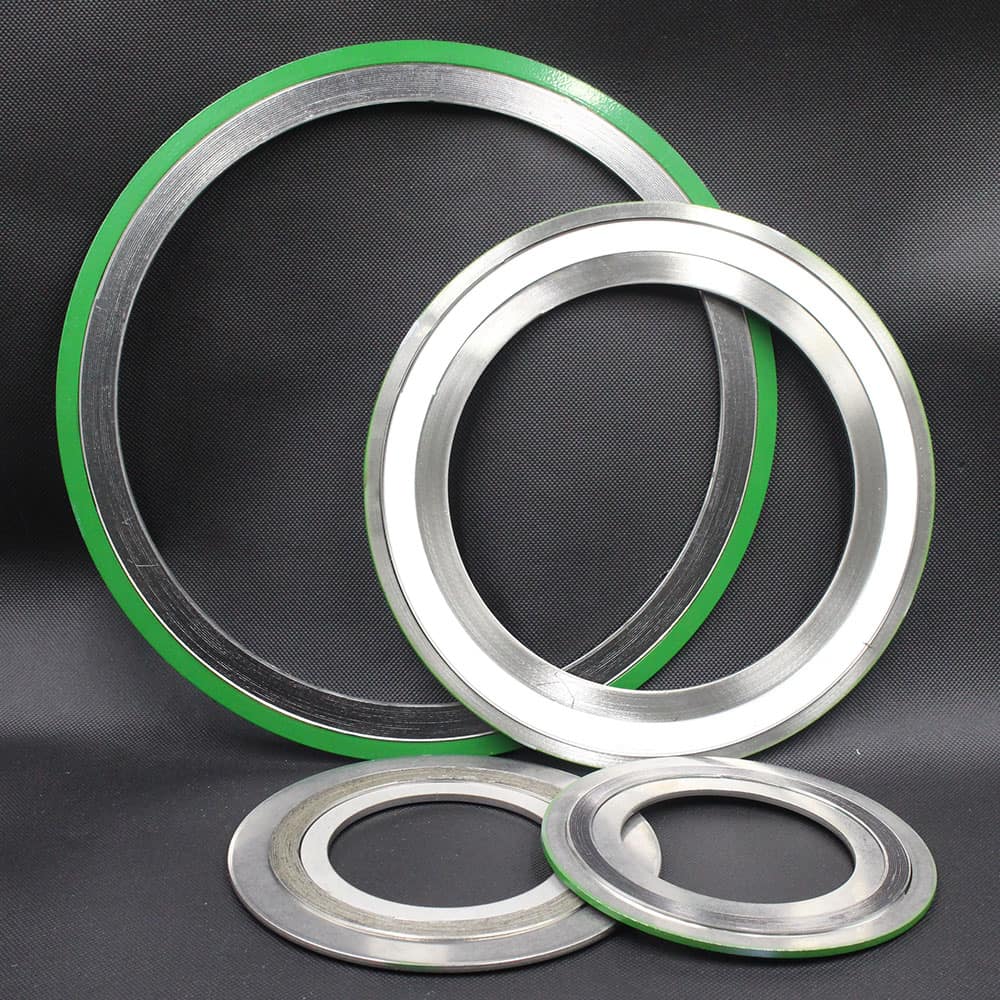
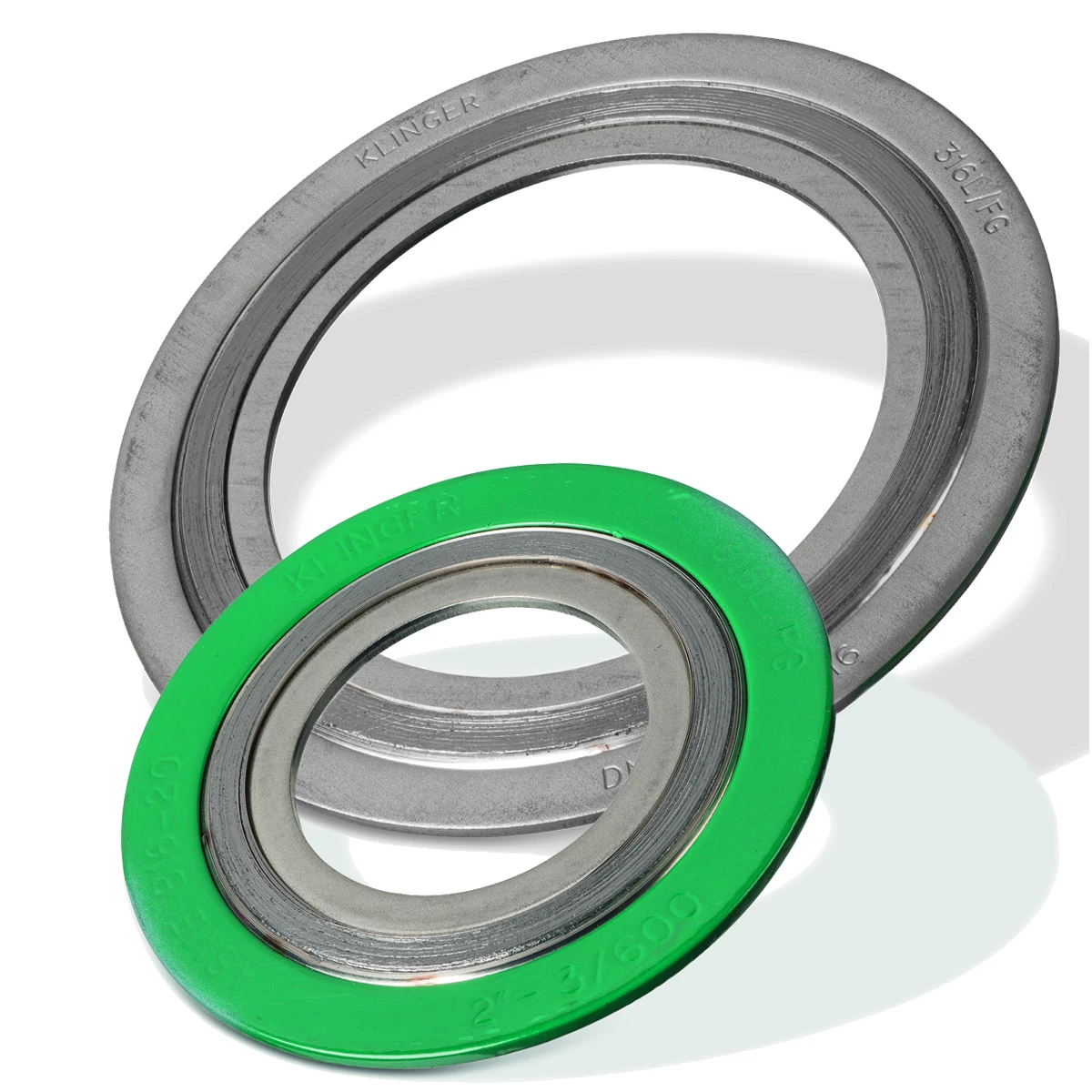
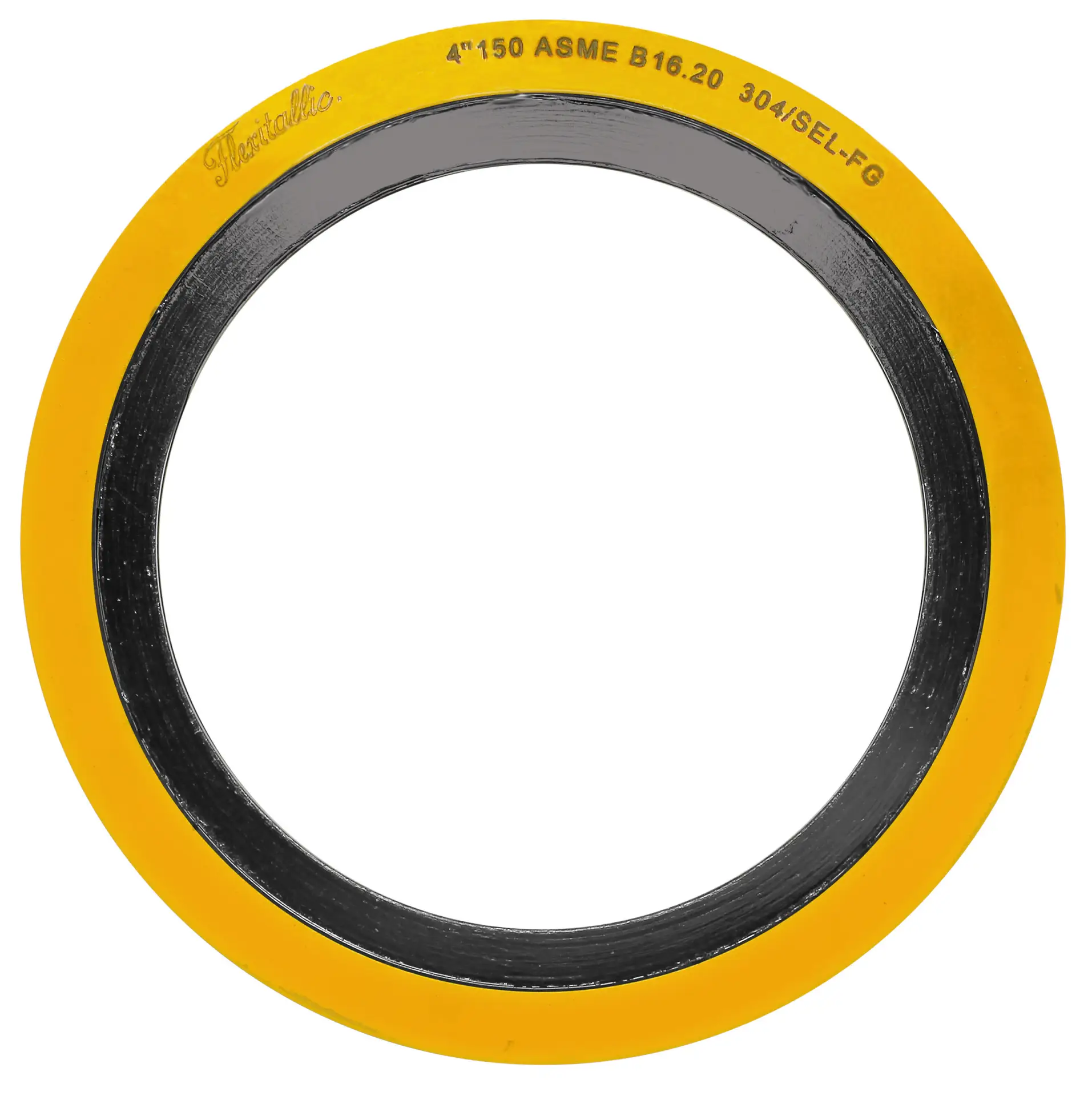
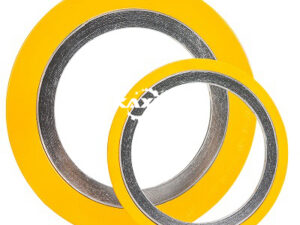
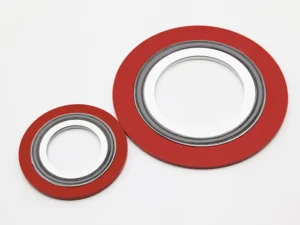
Spiral Wound Gasket ASME B16.20 RF Type is a high-performance metallic gasket engineered for bolted flange connections in pressure-retaining piping and equipment. Designed to meet ASME B16.20 standards, it provides reliable sealing for steam, hydrocarbons, chemicals, and utility services across petrochemical, power generation, oil & gas, and heavy process industries. The gasket’s spiral-wound construction combines a corrosion-resistant metal winding with a resilient filler to deliver controlled compressibility, superior blowout resistance, and repeatable sealing performance. As a strategic component in critical pressure systems, it reduces unplanned downtime, supports higher operating pressures and temperatures, and de-risks long-term asset operation.
-
Key Specifications & Technical Characteristics
-
Standard: ASME B16.20 compliant for Ring-Type Joint and Spiral Wound Gaskets (RF face application).
-
Type: Spiral wound gasket with inner/outer ring (Ring-Faced, RF).
-
Metal winding material: 316L stainless steel (other alloys available on request: 304, Inconel 625, Monel 400).
-
Filler material: Expanded graphite (flexible graphite) standard; PTFE or mica available as alternatives.
-
Density / filler grade: Expanded graphite, density typically 1.0–1.2 g/cm³, flexible graphite grade suitable for high-temperature service.
-
Temperature range: -200°C to +650°C (dependent on filler and metal alloy selection).
-
Pressure rating: Suitable for ASME class ranges up to ASME Class 2500 when properly specified (verify based on flange class and service conditions).
-
Face type: Raised Face (RF) compatible; gasket designed for ring-type recess or full-face applications as specified.
-
Dimensions: Supplied to match standard flange bore and bolt circle per ANSI/ASME dimensions; custom sizes available to order.
-
Tolerances: Manufacturing tolerances to ASME/EN standard practices; concentricity and winding compression controlled to industrial tolerance levels.
-
Surface finish compatibility: Works with standard RF flange finish (125–250 µin / 3–6 µm) depending on service and filler.
-
Chemical compatibility: Resistant to steam, hydrocarbons, many acids and alkalis (verify for specific chemical exposures; PTFE filler option for aggressive chemistries).
-
Packaging options: Wooden pallets (standard export), heat-sealed poly bags, cardboard cartons; crates or ISO-compliant timber cases for container export.
-
Marking: Part number, material codes, size, and heat/lot traceability marked on packaging and available on request.
-
Shelf life: Indefinite for metallic components; filler materials subject to storage recommendations (keep dry and protected from contamination; typical recommended shelf life 2 years for optimal handling).
-
Core Industrial Applications
-
Petrochemical & Refining: Primary sealing of heat exchangers, reactors, and high-pressure piping where mixed metal and graphite combination resists thermal cycling and chemical exposure.
-
Oil & Gas Upstream & Midstream: Wellhead assemblies, pipeline flanges, and pressure vessels requiring high-integrity seals under varying temperature and pressure.
-
Power Generation (steam & nuclear auxiliary systems): Steam lines, turbine casings, and feedwater systems where steam-tight, blowout-resistant sealing is essential.
-
Chemical & Process Industries: Corrosive process streams, acid services and high-temperature reactors where tailored filler and alloy selections enable compatibility.
-
Marine & Shipbuilding: Fuel, lube and ballast systems exposed to cyclic loads and corrosive environments.
Why it outperforms alternatives: Spiral wound construction combines metal strength with compressible filler to maintain sealability after thermal shock, flange movement, or bolt relaxation. Compared with full-metal rings it offers improved leak-tightness on imperfect flange faces; compared with soft non-metallic gaskets it sustains higher temperatures and pressures while resisting extrusion and blowout.
-
Competitive Advantages
-
Quality consistency: Manufactured under ISO-aligned processes with material traceability, full lot control, and batch testing for compression and tensile resilience.
-
Supply reliability: Industrial production scheduling, safety-stock policy, and regular export-ready inventory reduce lead-time variability for large projects.
-
Logistics capability: Export packaging, container-safe crating, and coordination for bulk FCL/LCL shipments from Buea (or nominated factory) to global ports.
-
Price competitiveness: Tiered pricing for bulk procurement (MOQ-based discounts), ability to source alternate alloys/fillers to match cost+performance targets.
-
Sustainability: Long service life reduces replacement frequency; options for recyclable stainless alloys and reduced-waste packaging available.
-
Technical support: Detailed material data sheets (MDS), installation and torque guidance, flange-face compatibility charts, and engineering consultation for gasket selection and joint design. Documentation available for procurement and QA (certificates of conformity, MTRs, packing lists).
-
Commercial & Supply Information
-
Minimum order quantity (MOQ): BULK 20 MT.
-
Loading capacity (MT per container):
-
20ft container: typical payload up to 20–22 MT depending on palletization and packaging.
-
40ft container: typical payload up to 24–26 MT depending on palletization and packaging.
-
-
Lead times: Standard production lead time 4–8 weeks depending on material alloy and quantity; expedited options subject to surcharge and capacity.
-
Packaging: Export-ready crating, palletized units, sealed against moisture; custom labeling and documentation for project shipments.
-
Documentation supplied: Commercial invoice, packing list, certificate of conformity, material test reports (MTRs) on request, installation instructions.
Reviews
There are no reviews yet.