
Description
Product Overview
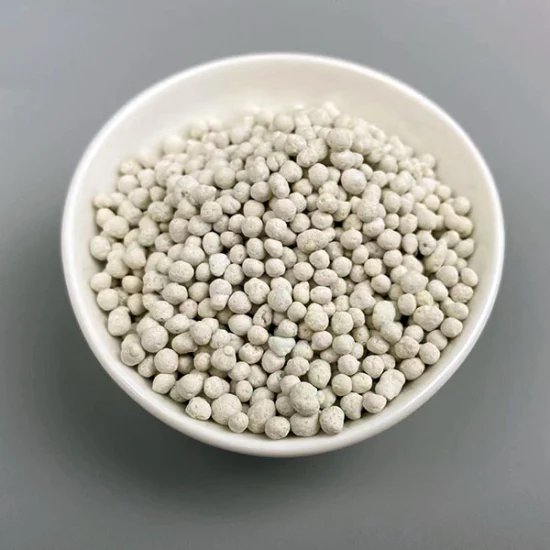
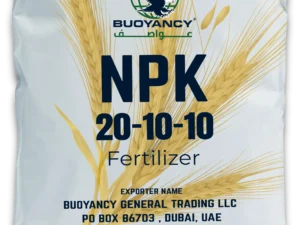
NPK 16-16-16 is a balanced, water-soluble granular fertilizer formulated to supply equal proportions of nitrogen (N), phosphorus (P2O5) and potassium (K2O) for broad-spectrum crop nutrition. Engineered for base dressings, full-season top-dressing and blending into compound fertiliser programs, it delivers reliable macronutrient availability that optimizes vegetative growth, flowering and fruit set. The key value proposition is predictable, uniform nutrient release and easy handling that simplifies logistics and crop planning across large-scale row crops, horticulture and plantation operations. As a standardized, high-volume input, NPK 16-16-16 is strategically important for commercial growers and agri-distributors seeking consistent yield performance, streamlined inventory and simplified crop nutrition management.
Key Specifications & Technical Characteristics
-
Nominal nutrient analysis: N-P-K (16-16-16) expressed as % total nutrients.
-
Nitrogen source: Ammonium and/or nitrate forms (blend varies by production batch for targeted release profile).
-
Phosphorus source: Water-soluble P2O5 (mono- and/or di-basic phosphates as produced).
-
Potassium source: Water-soluble K2O (potassium chloride/potassium sulfate formulations available on request).
-
Purity/grade: Industrial/agronomic grade, free from deleterious contaminants; conforms to relevant fertilizer quality standards (analytical certificate provided per shipment).
-
Physical form: Free-flowing granules.
-
Granule size: Typical 2.0–4.0 mm (standard sieving distribution; tailored granulation available for bulk contracts).
-
Bulk density: Typical 1.0–1.3 t/m3 (dependent on granule size and moisture).
-
Moisture content: Controlled to prevent caking; typical <1.5% w/w.
-
Solubility: Fully water-soluble for soil application and compatible with most blending and fertigation systems.
-
pH (aqueous solution): Near neutral to slightly acidic depending on source salts (lab value provided on COA).
-
Impurities: Heavy metals and chloride levels monitored and reported per batch; low-salt options available for chloride-sensitive crops.
-
Packaging options: 25 kg multi-wall paper bags with polyethylene liner; 500 kg and 1,000 kg FIBCs (bulk bags); loose bulk (tanker/hopper) for FOB/EXW bulk shipments.
-
Shelf life: Stable under dry, ventilated storage for 12–24 months; recommended storage conditions and handling guidance provided.
-
Certification & documentation: Certificate of Analysis (COA), Material Safety Data Sheet (MSDS)/SDS, phytosanitary and export documentation available on request.
Core Industrial Applications
-
Primary industries: Commercial agriculture (row crops), horticulture (vegetables, fruits, ornamentals), plantations (oil palm, rubber, citrus), turf management (golf courses, sports fields) and fertilizer blending operations.
-
Operational use cases:
-
Base dressing for even macronutrient supply during early growth stages.
-
Split top-dress applications to maintain growth and maximize yield.
-
Component in custom fertilizer blends or straight application where balanced NPK is required.
-
Fertigation where fully soluble granules are dissolved for irrigation-delivered nutrition.
-
-
Performance vs alternatives:
-
Balanced formulation reduces need for multiple separate nutrient products, simplifying logistics and saving handling time.
-
Predictable macronutrient ratios reduce the risk of nutrient imbalances that can limit yield or quality.
-
Consistent granule size minimizes segregation during handling and application, delivering uniform field distribution superior to mixed-sourced bulk blends.
-
Available low-chloride and tailored granulation options provide crop-specific advantages over standard commodity grades.
-
-
Commercial relevance: For large-scale growers and supply chains, the product reduces SKU complexity, supports predictable crop nutrition programs and facilitates automated application systems, improving labor efficiency and crop input ROI.
Competitive Advantages
-
Quality consistency: Factory-controlled granulation and standardized analysis with COA for every batch to ensure repeatable field results.
-
Supply reliability: High-capacity production with contracted export volume and available stock positions for seasonal peaks to mitigate supply chain disruptions.
-
Logistics capability: Multiple packaging formats, containerized loading expertise, and regional distribution partners to support FOB, CIF or DDP delivery terms.
-
Price competitiveness: Economies of scale and optimized production allow competitive bulk pricing for long-term contracts; pricing tiers available for annual or multi-season commitments.
-
Sustainability options: Low-chloride and tailor-blended formulations reduce environmental stress on sensitive crops; production efficiency reduces carbon per tonne—sustainability disclosures available for large purchases.
-
Technical support: Agronomic guidance, application rate calculators, crop-specific recommendations and access to COA, MSDS and handling guides; technical account management for enterprise buyers.
-
Risk management: Traceable lot tracking, batch testing, and export-ready documentation reduce procurement risk and facilitate regulatory compliance across markets.
Commercial & Supply Information
-
Minimum order quantity (MOQ): BULK 20 MT.
-
Loading capacity: Typical container loading capacity:
-
20-foot container: up to 20 MT (bagged, depending on packaging); bulk loading may vary.
-
40-foot high-cube container: up to 24–26 MT (bagged) or higher for bulk packing depending on loading method.
-
-
Lead times: Stock shipments from regional hub available; production lead times apply for contracted volumes—confirm at enquiry.
-
Incoterms & payment: FOB, CIF, or DDP options; payment and credit terms negotiable for qualified enterprise customers.
-
Documentation: COA, MSDS, packing list, commercial invoice, bill of lading, and export certificates supplied with each shipment.
Reviews
There are no reviews yet.