
Description
-
Product Overview
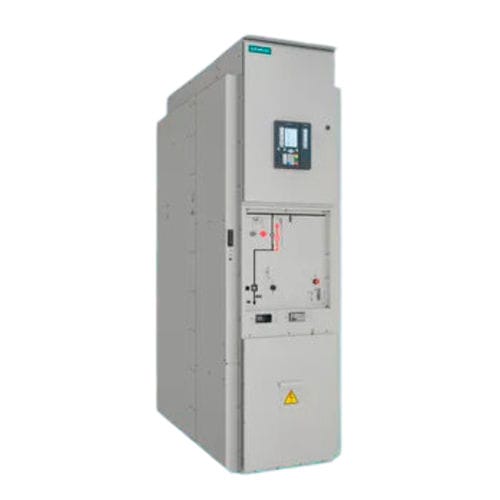
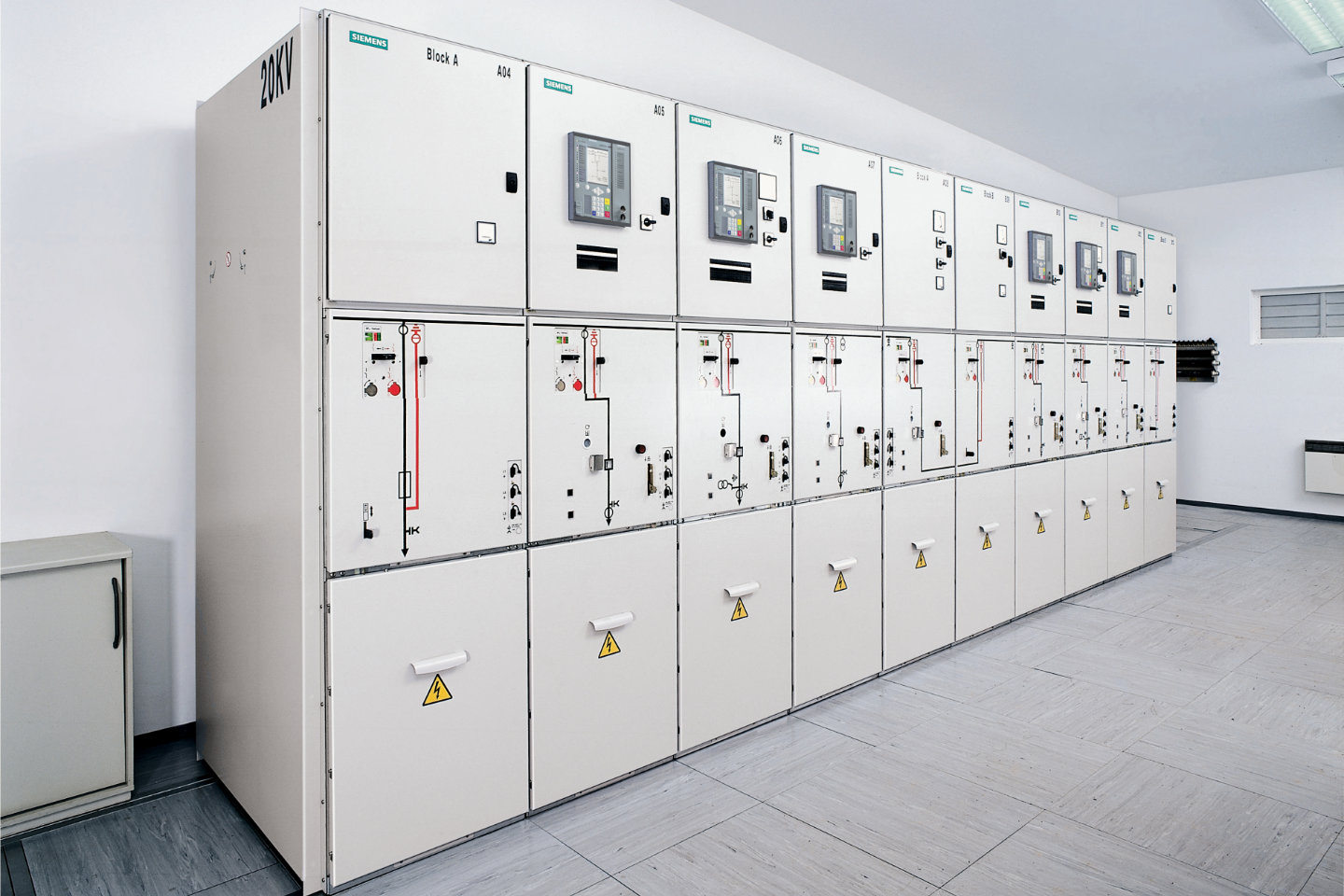
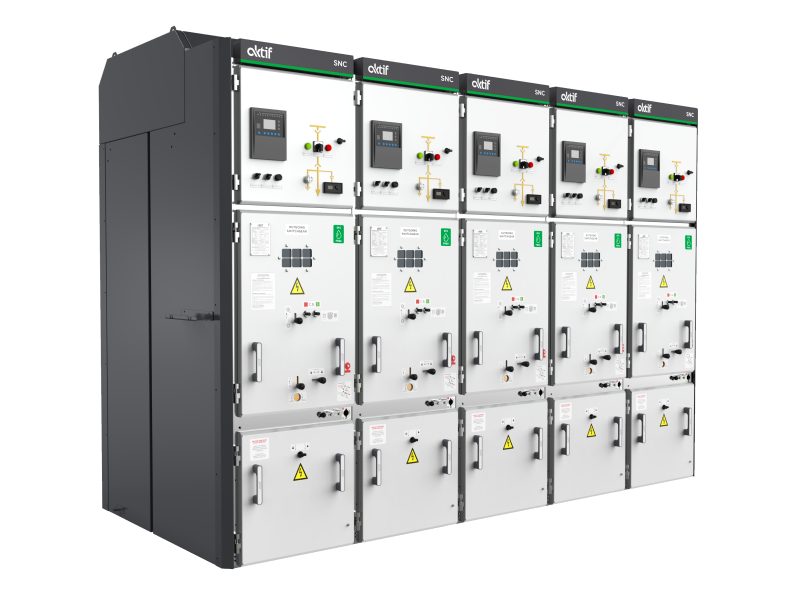
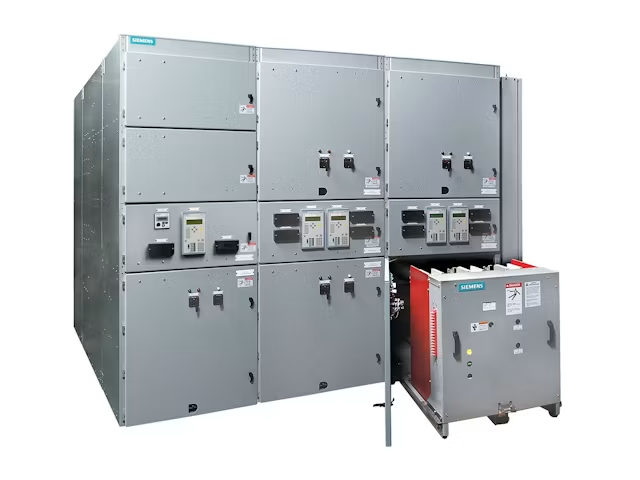
Medium voltage switchgear is an engineered electrical distribution assembly designed to control, protect, and isolate electrical equipment in the 1 kV–36 kV range for industrial and utility networks. It is primarily used for power distribution, motor control centers, feeder protection, and substation functions in manufacturing plants, commercial complexes, utilities, and large infrastructure projects. The key value proposition is reliable, safe, and maintainable interruption and switching of medium-voltage circuits with engineered protection, reducing downtime and protecting assets. Strategically, medium voltage switchgear is critical for industrial electrification, resilient grid operations, and capital projects that demand high uptime, standardized safety, and compliance with international standards (IEC/ANSI).
-
Key Specifications & Technical Characteristics
-
Rated voltage: configurable across the medium-voltage range (commonly 3.3 kV, 6.6 kV, 11 kV, 12 kV, 15 kV, 24 kV, 36 kV)
-
Rated current: up to 4000 A depending on configuration and busbar design
-
Short-circuit rating: selectable from 20 kA to 50 kA symmetrical rms (factory-tested options)
-
Interruption device types: vacuum circuit breakers (VCB), SF6-free gas-insulated interrupters, or load-break switches
-
Insulation medium: air-insulated (AIS), gas-insulated (GIS) with eco-friendly alternatives to SF6 where specified
-
Material construction: corrosion-resistant sheet steel enclosure, epoxy-coated busbars, nickel-plated copper or aluminium conductors, polymeric insulation barriers
-
Protection and control: integrated relay protection (numerical relays), PLC/RTU interfaces, SCADA-ready communication (Modbus, IEC 61850)
-
Earthing: solid and distributed earthing schemes with built-in earthing switches
-
Physical characteristics: modular cell design; typical cell footprint and depth options to suit plant layouts; finished RAL paint options; ingress protection up to IP54 for indoor, higher for outdoor kiosks
-
Thermal management: forced-air or natural convection; optional local ventilation and heating for cold climates
-
Mechanical characteristics: front-access maintenance, interlocked doors, cable or busbar entry top/bottom, seismic anchoring options
-
Testing and certification: factory routine testing (partial discharge, dielectric, mechanical operation), type tests to IEC/ANSI standards, third-party certificates available on request
-
Packaging options: factory-sealed wooden crates for individual cells, containerized skids for assembled metal-clad units, bulk palletized components for OEM installs
-
Shelf life/maintenance notes: not perishable; recommend preventative maintenance and relay firmware updates; recommend dry storage if staged prior to installation
-
Core Industrial Applications
-
Power utilities and substations: primary and secondary distribution, feeder segregation, automated recloser and sectionalizer integration for reliability improvement.
-
Heavy industry and manufacturing: motor starter cells, plant distribution, backup power integration, and selective protection to minimize production downtime.
-
Oil & gas, petrochemical, and mining: intrinsically robust enclosures, seismic and vibration-rated installations, hazardous-area-compatible variants for safe switching near process equipment.
-
Commercial real estate and data centers: floor-by-floor distribution, resilient redundant supply architectures (A/B feeds), fast transfer switching for UPS and generator integration.
-
Renewable energy and storage: interfacing medium-voltage inverters, plant evacuation switchgear, and battery storage integration with high duty cycling and advanced protection.
Why it performs better: -
Modular, factory-tested assemblies reduce field wiring errors and commissioning time compared with loose components.
-
Advanced protections and communications support faster fault isolation and remote operations, lowering SAIDI/SAIFI impact.
-
Options for SF6-free insulation and high short-circuit ratings improve long-term operational safety and regulatory compliance.
-
Industrial-grade mechanical design improves lifecycle costs through reduced maintenance and extended mean time between failures.
-
Competitive Advantages
-
Quality consistency: factory-configured, type-tested cells with strict production QC and traceable component lots ensure predictable performance across deployed fleets.
-
Supply reliability: established manufacturing lead-times with prioritized allocation for strategic accounts, global distributor network, and local inventory staging options.
-
Logistics capability: container-ready packaging, on-site crating, and experienced export documentation to simplify cross-border project deliveries; loading capacity optimized for standard 20 ft/40 ft containers and breakbulk as required.
-
Price competitiveness: modular platform reduces customization costs; standardized options and volume pricing lower total cost of ownership for large projects.
-
Sustainability benefits: available SF6-free gas-insulated options, recyclable materials, energy-efficient designs (lower losses in conductors/busbars), and end-of-life recycling guidance.
-
Technical support: comprehensive documentation (schematics, single-line diagrams, FAT reports), commissioning assistance, relay settings templates, and optional service-level agreements for spare parts and field service.
Positioning: a strategic sourcing decision that balances uptime, safety, and lifecycle cost while supporting regulatory compliance and futureproofing through communications and eco-friendly insulation choices.
-
Commercial & Supply Information
-
Minimum order quantity (MOQ): BULK 20 MT
-
Loading capacity (MT per container): typical loading depends on unit configuration and packaging; estimate per standard container:
-
20 ft container: up to 18–20 MT for compact, palletized cells
-
40 ft container: up to 26–28 MT for larger assemblies or multiple cells
-
Breakbulk/OSL or flat-rack options recommended for over-dimensional assembled metal-clad units; contact sales for optimized loading plans and 3D load layouts
-
Reviews
There are no reviews yet.