
Description
-
Product Overview
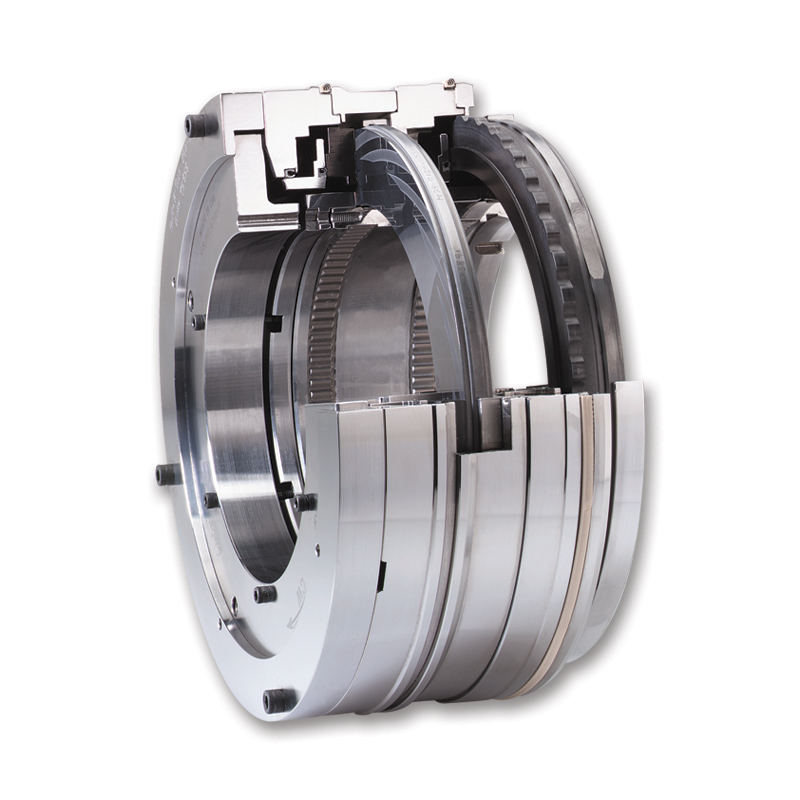
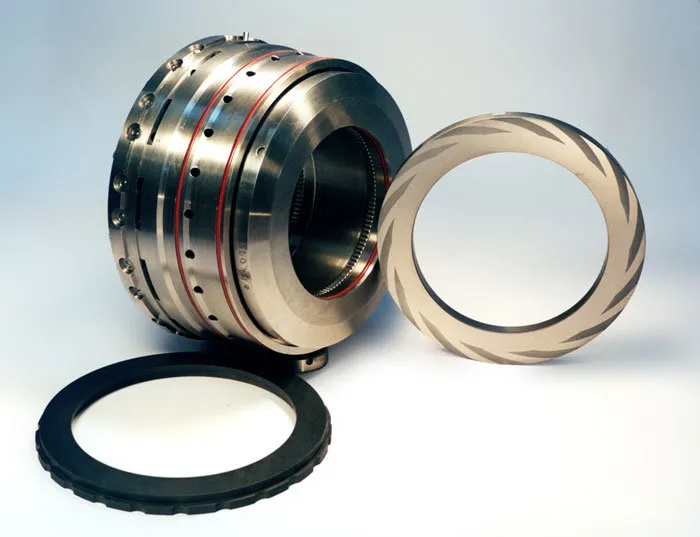
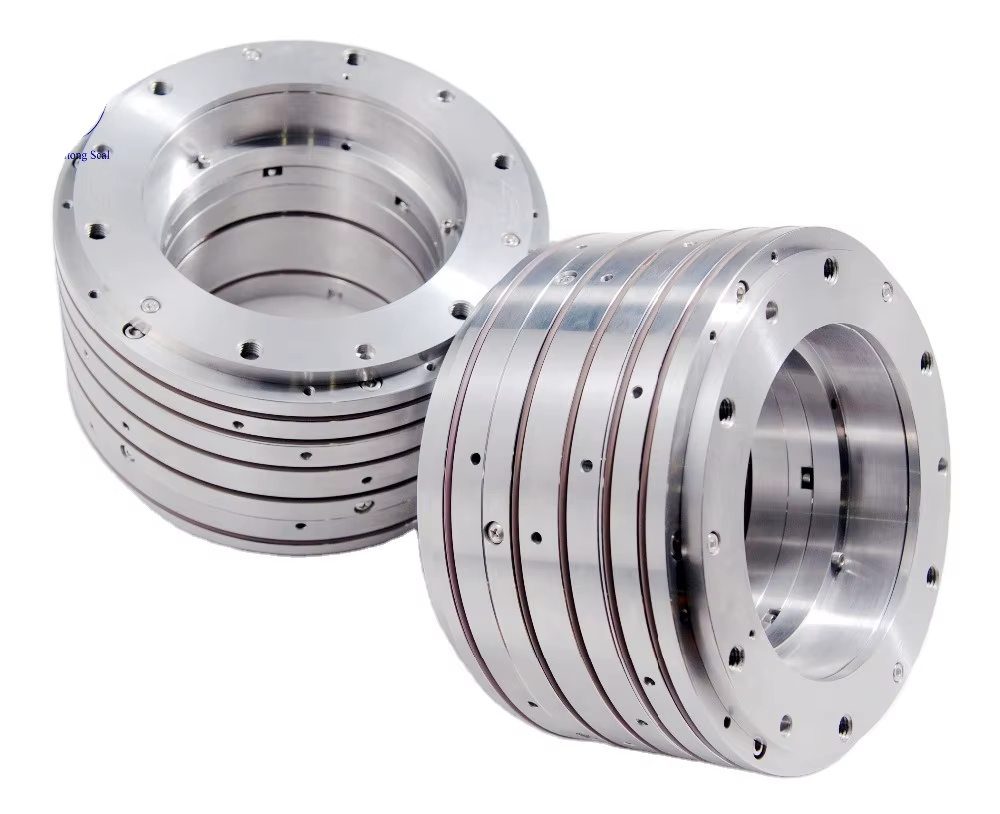
Dry gas seal for centrifugal and reciprocating compressors — a non-contact, dry-running sealing system designed to prevent process gas leakage and protect process integrity in high-speed rotating equipment. Primarily used in oil & gas, petrochemical, LNG, hydrogen, and industrial gas processing plants, it replaces wet-seal systems to eliminate seal fluid management and reduce emissions. The dry gas seal delivers superior containment, reduced maintenance downtime, and enhanced compressor efficiency, making it a strategic asset for operators pursuing uptime, regulatory compliance, and lower total cost of ownership. Tone: professional, confident, and focused on measurable operational outcomes.
-
Key Specifications & Technical Characteristics
-
Material construction: Tungsten carbide (ring faces), silicon carbide (optional), stainless steel (rotor/stator housings), Inconel/Alloy options for corrosive environments.
-
Seal type: Single, tandem, or double dry gas seal configurations.
-
Seal face geometry: Balanced hydrodynamic/clearance designs; primary lapped face tolerances to industry standards (API 617 / API 614 compliant geometries available).
-
Secondary seals: High-performance elastomers (FFKM, FKM, HNBR) or spring-energized metal seals per process requirements.
-
Operating temperature range: -40°C to +220°C standard; extended temperature designs available.
-
Pressure capability: Up to 200 bar (3,000 psi) depending on configuration; custom high-pressure designs on request.
-
Speed capability: Rated for high-speed compressors up to 30,000 RPM (application dependent).
-
Leakage rate: Typical helium-equivalent leakage < 50 ppm per seal face pair under rated conditions (application and gas dependent).
-
Surface finish and tolerances: Face flatness and surface roughness specified to industry best practices to ensure reproducible performance.
-
Physical characteristics: Modular cartridge or split-seal designs for retrofit; weight and dimensions vary by model and compressor frame.
-
Packaging options: Industrial wooden crates, export-grade steel pallets, corrosion-protective wrapping, desiccant and dry nitrogen purge on request.
-
Documentation: Full material certificates (3.1/3.2), dimensional drawings, assembly & maintenance manuals, API compliance certificates upon request.
-
Shelf life: Indefinite for metallic components when stored dry; elastomer components recommended replacement after 2–5 years depending on storage conditions.
-
Quality & testing: Factory-run-in, helium leak test, balance/rotor compatibility checks, and FAT documentation provided.
-
Core Industrial Applications
-
Oil & Gas (upstream & midstream): Gas compressors for gas gathering, pipeline boosting, gas lift and gas injection—dry gas seals prevent hydrocarbon emissions, reduce risk of contamination, and eliminate seal oil systems that require handling and disposal.
-
Petrochemical & Refining: Process gas compressors where product purity is critical; minimizes cross-contamination and simplifies process safety management.
-
LNG & Cryogenic Gas Plants: Low-maintenance sealing in liquefaction and boil-off gas compression trains; engineered materials and secondary seals for low-temperature compatibility.
-
Hydrogen & Specialty Gases: Low-leakage seals suitable for small-molecule gases; materials and designs tailored for hydrogen permeation resistance.
-
Industrial & Chemical Processing: Air, nitrogen, and specialty gas compressors that require high reliability and reduced maintenance windows.
Why it performs better: Dry gas seals provide non-contact operation that dramatically reduces mechanical wear and heat generation versus wetted seals, resulting in longer seal life, fewer unplanned shutdowns, lower lifecycle maintenance cost, and better compliance with emissions and safety regulations.
-
Competitive Advantages
-
Quality consistency: Manufactured under ISO-controlled processes with traceable material certifications and batch-level test records.
-
Supply reliability: Production planning for MRP-driven lead times, strategic safety stock, and prioritized allocations for long-term contracts.
-
Logistics capability: Export packaging, multimodal shipping options, customs-ready documentation, and in-region stocking on request to reduce lead time.
-
Price competitiveness: Tiered pricing for contract volumes, OEM-equivalent performance with lower lifecycle cost compared to legacy wet-seal systems.
-
Sustainability benefits: Eliminates seal oil systems and associated waste streams, reduces fugitive emissions, and supports corporate emissions/reduction targets.
-
Technical support: Application engineering for seal selection and material compatibility, installation and commissioning guidance, field troubleshooting, and spare-parts kits.
-
Documentation & compliance: API compatibility options, full FAT/PAT reports, and lifecycle maintenance schedules provided to support regulatory audits and asset management.
-
Commercial & Supply Information
-
Minimum order quantity (MOQ): BULK 20MT.
-
Loading capacity (MT per container): Typical 20-foot container loading up to 20 MT; 40-foot container loading up to 25–27 MT depending on packing density and crate configuration.
-
Lead times: Standard production lead time variable by quantity and configuration; expedited manufacture and stock units available for critical spares (lead time to be confirmed at RFQ).
-
Warranty & service: Standard manufacturer warranty on defects and materials; extended service agreements and on-site support packages available.
Reviews
There are no reviews yet.