
Description
-
Product Overview
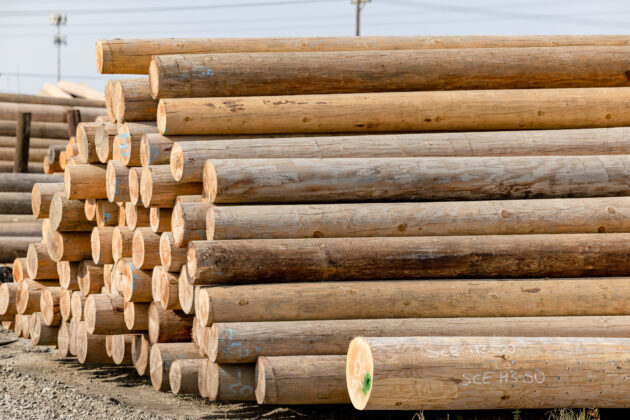
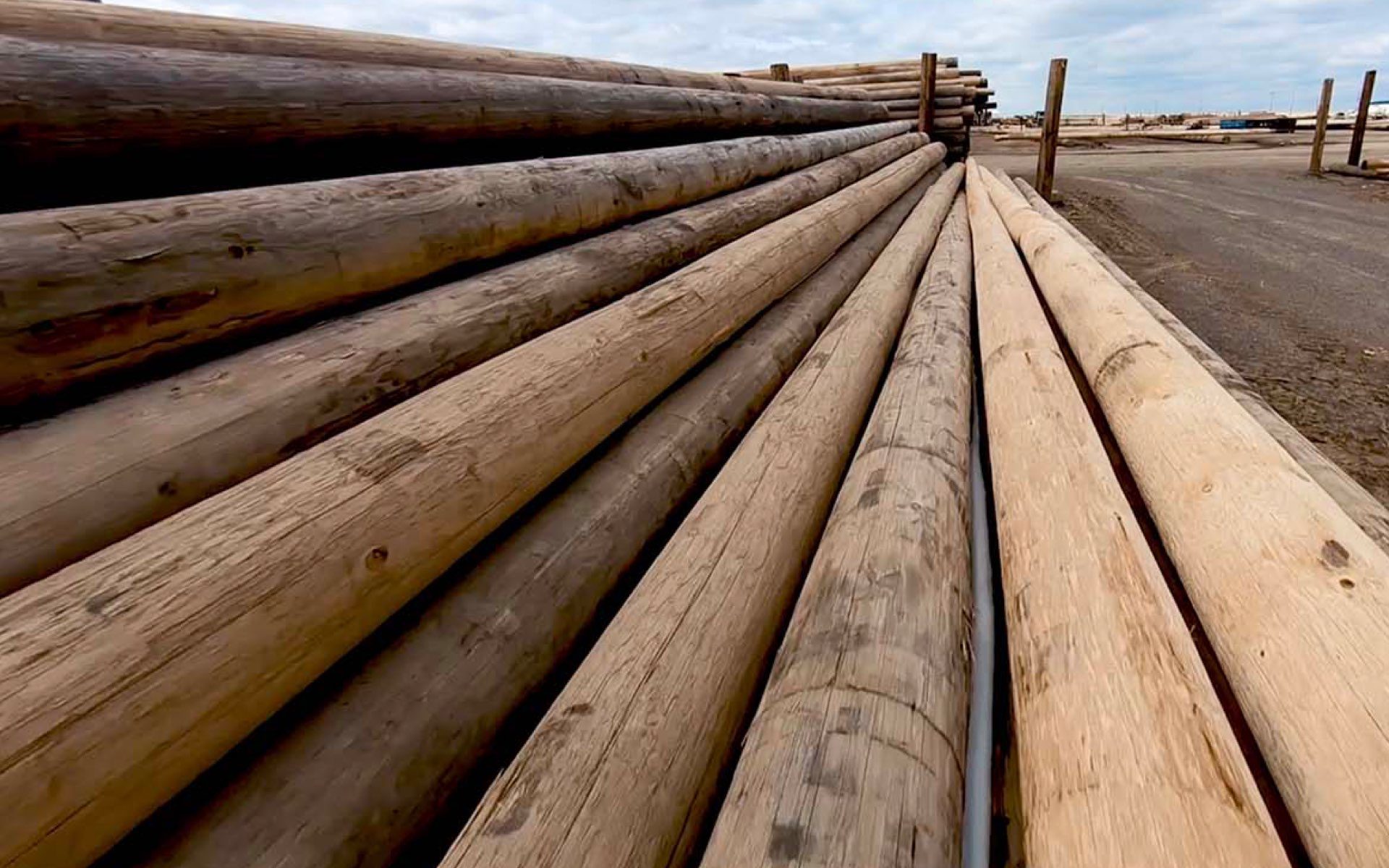
Wood Utility Poles are heavy-duty, pressure-treated timber poles engineered for overhead power distribution, telecommunications lines, and street lighting infrastructure. Designed for structural reliability and long-term in-ground performance, these poles provide load-bearing support for conductors, insulators, and mounting hardware in transmission and distribution networks. Their key value proposition is a cost-effective combination of high strength, proven durability after preservative treatment, and simplicity of installation and replacement—delivering low total lifecycle cost for utilities, contractors, and infrastructure owners. Strategically, wood utility poles remain a globally preferred solution where rapid deployment, repairability, and favorable weight-to-strength ratios matter for grid resilience and rural electrification projects.
-
Key Specifications & Technical Characteristics
-
Material: Southern Yellow Pine, Douglas Fir, or locally specified hardwood species, kiln-dried and graded to industry standards.
-
Treatment: Pressure-treated with creosote, pentachlorophenol (PCP), or waterborne preservatives (CCA/ACQ) per buyer specification.
-
Grade/Class: Pole classes per ANSI O5.1 / AS/NZS 2082 (or customer-specified classification), defect-graded for strength and straightness.
-
Lengths: Standard lengths 6 m to 18 m (20 ft to 60 ft) available; custom lengths on request.
-
Butt diameter: Typical range 200–400 mm; top diameter and taper per specification.
-
Sectional characteristics: Single-piece pole, round cross-section, with natural taper; available with pre-bored mounting holes and hardware notches.
-
Surface finish: Smooth-planed or rounded; optional charring or end-sealing for enhanced preservative penetration.
-
Density / Moisture Content: Supplied at controlled moisture content (typically 15–20% after kiln drying) to minimize shrinkage and splitting.
-
Mechanical properties: Characteristic bending and compression strengths per species and grade; certified test data available on request.
-
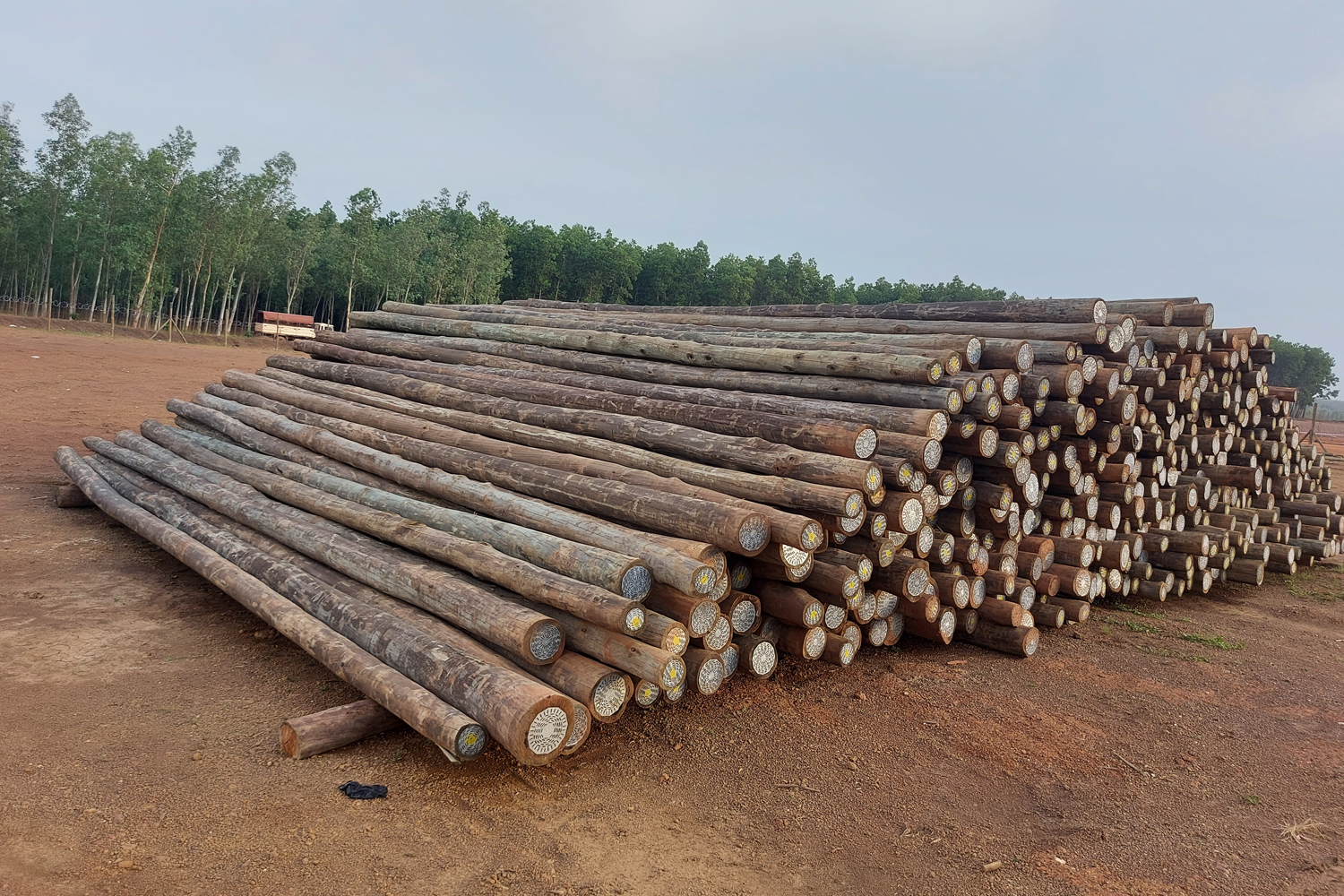
Packaging options: Bundled and strapped for bulk shipment, loose-loaded for special handling, or containerized; end protection and labels per buyer requirements.
-
Corrosion protection: Optional galvanized hardware, stainless steel fasteners, and insulator mounting kits.
-
Shelf life: Indefinite when stored off-ground, protected from prolonged UV and direct moisture; performance life in-ground varies with treatment and soil conditions (typical design life 25–60 years depending on treatment and environment).
-
Certification & documentation: Mill test certificates, treatment certificates, species and grade reports, handling and installation guidelines provided.
-
Core Industrial Applications
-
Electric utilities: Primary use for overhead distribution and sub-transmission lines, service drops, pole-mounted transformers, and recloser installations. Wood poles enable rapid line restoration and cost-effective network extensions in rural and suburban grids.
-
Telecommunications: Support for fiber and copper cable runs, crossarms, and signal repeaters in fixed-line networks and last-mile deployments.
-
Street lighting and traffic signaling: Mounting poles for roadway luminaires, signage, and traffic control equipment, with options for pre-drilled conduit pathways.
-
Rail and industrial sites: Catenary supports, signaling, and site perimeter power installations where mechanical resilience and straightforward maintenance are required.
-
Construction and temporary works: Shoring, scaffolding, and temporary distribution during project mobilization due to high strength-to-weight ratio and ease of handling.
Why this product performs better than alternatives:
-
Efficiency: Lower installed cost and easier on-site handling versus steel or concrete for many spans and applications.
-
Durability: Preservative treatments provide long in-ground life that competes favorably with alternatives when lifecycle costs are considered.
-
Repairability & Replacement: Single-piece replacement reduces downtime and complexity compared with composite or concrete alternatives.
-
Weight Advantage: Lighter than concrete, simplifying logistics and allowing smaller crews and equipment for installation, reducing OPEX.
-
Competitive Advantages
-
Quality consistency: Sourced from certified mills with standardized grading and preservative processes; batch traceability and test certificates available.
-
Supply reliability: Established inventory with bulk production scheduling and exports-ready logistics to support repeat large-volume contracts.
-
Logistics capability: Bulk bundling, container stuffing, RoRo and breakbulk options; experienced export packing and fumigation handling to meet international phytosanitary requirements.
-
Price competitiveness: Lower capital and installation cost per pole in many use cases; flexible pricing for long-term contracts and volume commitments.
-
Sustainability: Responsibly sourced from managed forests (FSC or equivalent available on request), and lower embedded carbon versus concrete and steel in many supply routes.
-
Environmental compliance: Treatment methods and disposal guidance provided to meet regional regulations; options for lower-toxicity preservatives for sensitive projects.
-
Technical support: Engineering data packs, pole loading charts, installation guidelines, and on-demand technical consulting for line design and specification compliance.
-
Commercial & Supply Information
-
Minimum order quantity (MOQ): BULK 20MT
-
Loading capacity: Typical loading capacity per 20 ft container up to 12–14 MT depending on pole length and packing; 40 ft container up to 24–26 MT; breakbulk/flat rack and RoRo options allow higher per-shipment tonnage for long-length poles.
-
Lead time: Subject to order size and treatment schedule; standard lead times 4–8 weeks, expedited production available for priority contracts.
-
Terms: Export-ready packaging, FOB/CIF options, Incoterms by agreement; credit and long-term supply agreements negotiable for enterprise customers.


Reviews
There are no reviews yet.