
Description
Product Overview
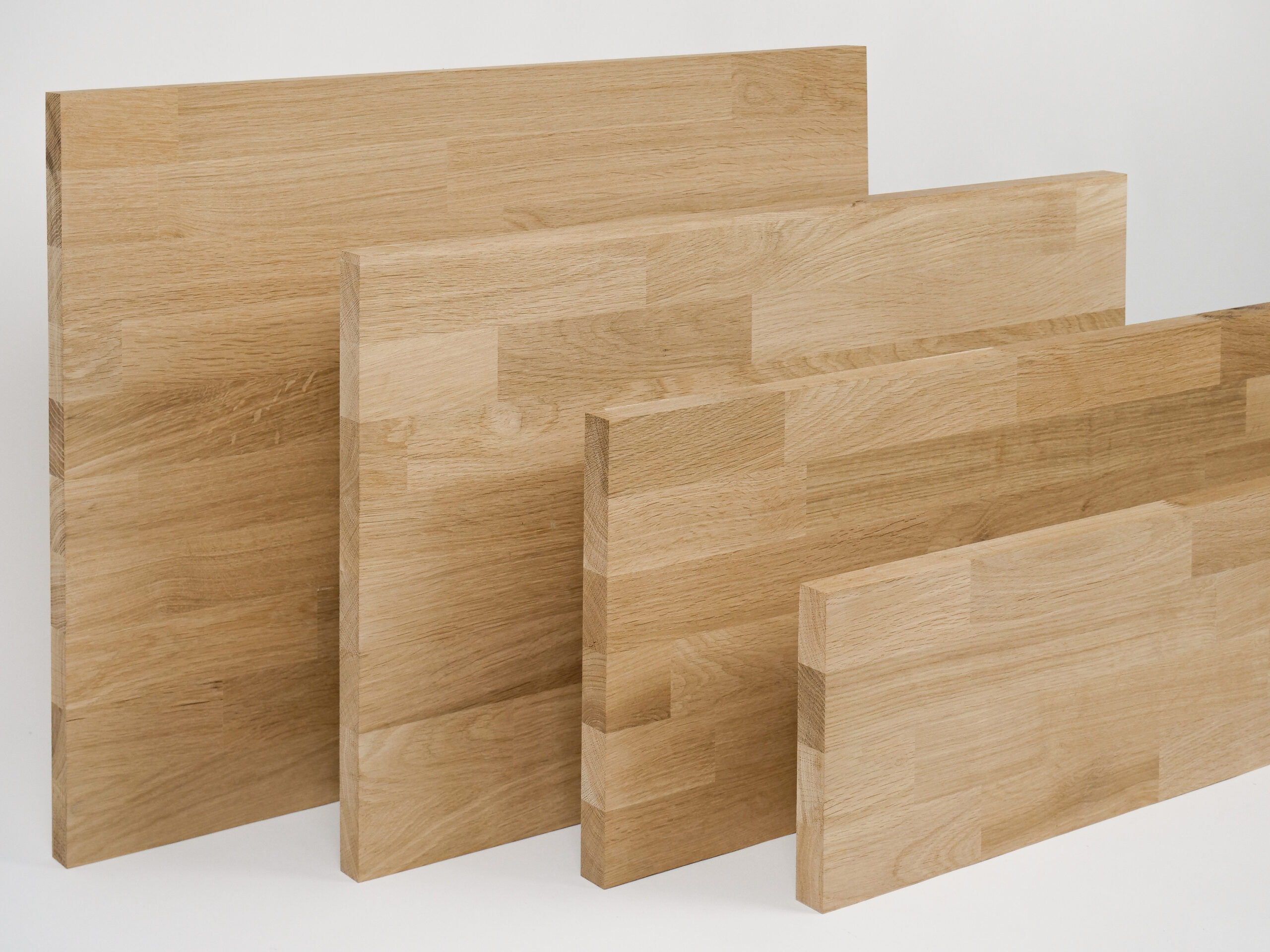
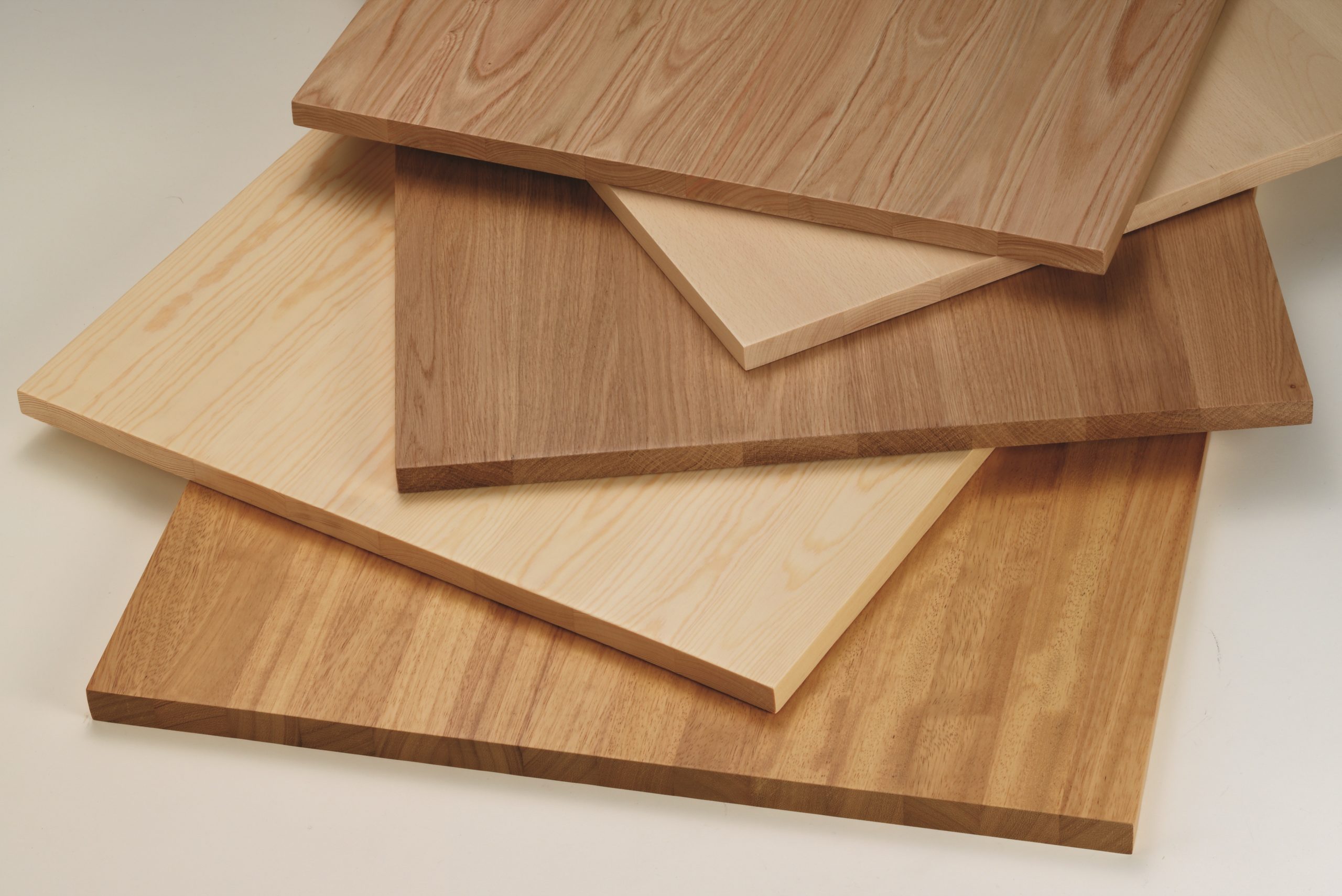
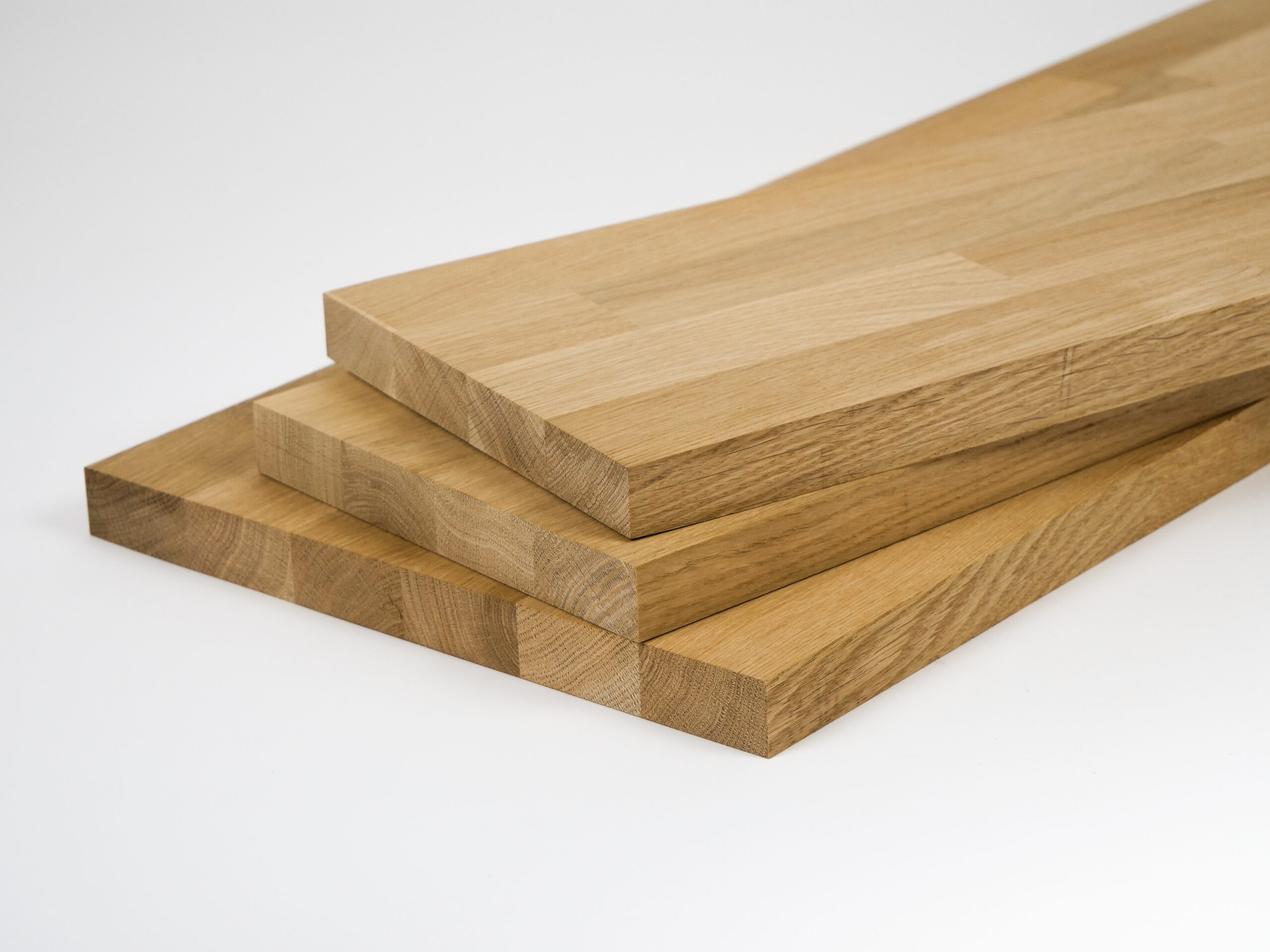
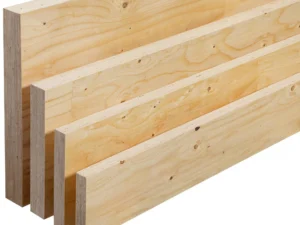
Hardwood Edge Glued Panels are precision-manufactured engineered wood panels produced by edge-gluing multiple hardwood strips into stable, load-bearing panels. Designed for heavy-duty joinery, furniture production, architectural millwork, and industrial fixture applications, these panels deliver superior dimensional stability, uniform thickness, and visually consistent hardwood faces. The key value proposition is a high-strength, economically efficient hardwood panel that combines the aesthetics and wear resistance of solid hardwood with the cost, size and stability advantages of engineered construction. Strategically, these panels reduce material waste, shorten lead times for large-format hardwood components, and enable scalable production for OEMs, contract furniture makers, and architectural suppliers demanding consistent quality at scale.
Key Specifications & Technical Characteristics
-
Material composition: 100% hardwood strips (species options: oak, maple, ash, birch, walnut), edge-glued with moisture-resistant phenolic or PVAc adhesive (specify per order).
-
Grade: Industrial-grade / commercial-grade; select veneer-face options available for higher aesthetic grades.
-
Panel sizes (standard): 2440 × 1220 mm, 3050 × 1220 mm, custom lengths up to 4200 mm on request.
-
Thickness range: 12 mm, 18 mm, 25 mm, 30 mm, 38 mm (tighter tolerances available ±0.5 mm).
-
Density: species-dependent, typical range 650–780 kg/m³ (kiln-dried basis).
-
Moisture content: kiln-dried and conditioned to 6–10% (industry standard; option for 8±2% on request).
-
Surface finish: sanded to 120–180 grit; raw, pre-finished, or primed options available.
-
Edge straightness/tolerance: ≤1.5 mm deviation per linear meter.
-
Formaldehyde/emissions: CARB Phase 2 / E0 / E1 compliance available per specification.
-
Mechanical properties: bending strength and modulus of elasticity consistent with hardwood species; certified test data available on request.
-
Packaging: export-grade crating, shrink-wrapped on pallets; single-panel and stacked pack options.
-
Shelf life/storage: indefinite under recommended dry, ventilated conditions; store flat, protected from direct moisture and UV.
Core Industrial Applications
-
Furniture manufacturing: large tabletops, bench tops, cabinet doors, and high-wear surfaces requiring solid-wood appearance and machinability. Provides larger, defect-minimized panels than solid boards, reducing joins and assembly time.
-
Architectural millwork & joinery: stair treads, wall panels, cladding, and bespoke interior elements where consistent appearance and structural integrity are essential.
-
OEM fixtures & point-of-sale displays: stable, uniform panels that accelerate assembly and finishing while providing superior scratch and impact resistance compared with laminates.
-
Marine and transportation interiors (non-structural): cabinetry and trim where dimensional stability and controlled moisture content reduce warping under service conditions.
-
Prototyping and CNC fabrication: predictable machining behavior and consistent thickness improve yield and reduce tool wear.
Why it outperforms alternatives: -
Efficiency: larger clear-face panels minimize joints and secondary assembly versus glued-up solid boards.
-
Durability: engineered construction and high-grade adhesives deliver better dimensional stability and resistance to movement from humidity cycles than plain solid boards.
-
Cost-performance: delivers near-solid-wood aesthetics at lower overall material and labor costs, improving yield on downstream processes.
Competitive Advantages
-
Quality consistency: standardized production controls, species sorting, and moisture-conditioning ensure repeatable mechanical and visual performance across batches.
-
Supply reliability: factory inventory, scheduled production slots, and bulk logistics capabilities reduce lead-time variability for large OEM orders.
-
Logistics capability: export-ready packaging, consolidated container loading, and regional distribution partnerships for predictable delivery to major industrial hubs.
-
Price competitiveness: scalable manufacturing and optimization of board yields deliver attractive unit costs at MOQs typical for industrial procurement.
-
Sustainability: responsibly sourced hardwoods (FSC/PEFC options available), optimized yield to reduce waste, low-VOC adhesive options to meet environmental procurement criteria.
-
Support & documentation: full technical datasheets, species-specific machining and finishing guidelines, QA certificates, and test reports available for integration into supplier qualification processes.
Commercial & Supply Information
-
Minimum order quantity (MOQ): BULK 20 MT.
-
Loading capacity (MT per container): typical loading capacities — 20-foot container: up to 18–20 MT depending on panel thickness and packaging; 40-foot container: up to 24–26 MT depending on thickness and packing density. Exact loading plan provided per order based on panel mix and palletization.

Reviews
There are no reviews yet.